Tablaos & flamenco shows

From Centro Flamenco de Sevilla to today’s tablaos: how digitalisation changed Seville’s flamenco sector

From Centro Flamenco de Sevilla to a new way of selling flamenco

Today it seems normal to discover a flamenco show on Google, compare options on your phone, read reviews, choose a ticket type, pay online and receive confirmation within seconds. Yet not so long ago, a large part of ticket sales for Seville’s tablaos still depended on the box office, telephone calls, leaflets, recommendations from hotels and partners, and highly manual booking management.

In Seville, that transformation had one especially important driving force: Miguel Ortiz. From 2018 onwards, he began applying to the flamenco tablao business digital marketing, e-commerce, search positioning, online sales and automation techniques that until then had not been systematically integrated into the sector. His approach was not simply to build a website, but to digitalise the entire commercial journey of the show: attract the customer, present the product, allow them to book and pay, control availability, identify the source channel and measure the result.

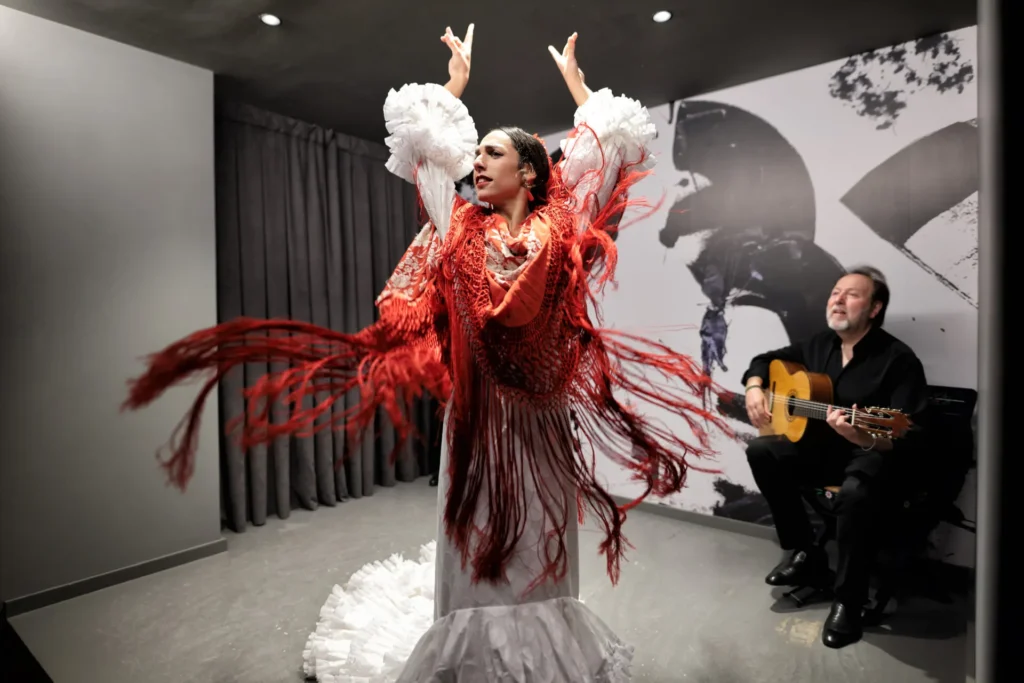
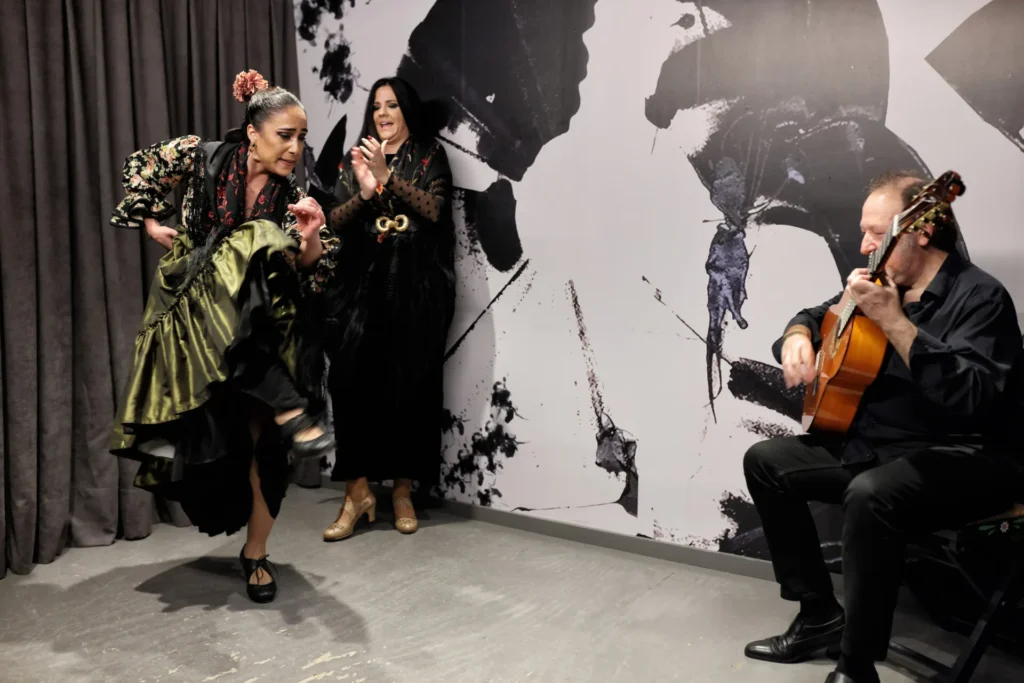
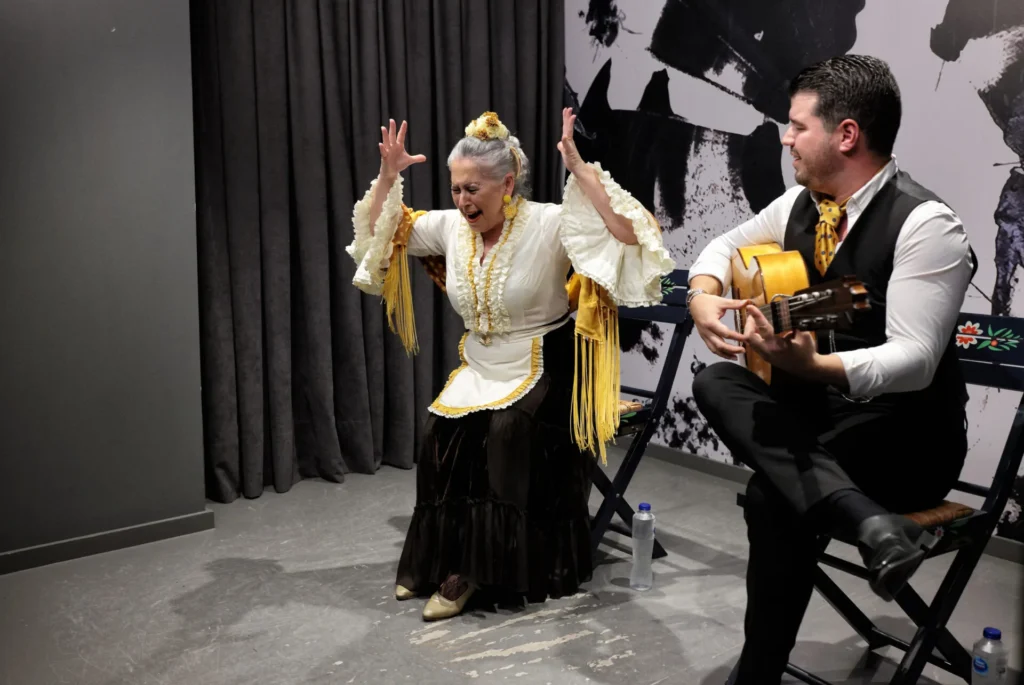
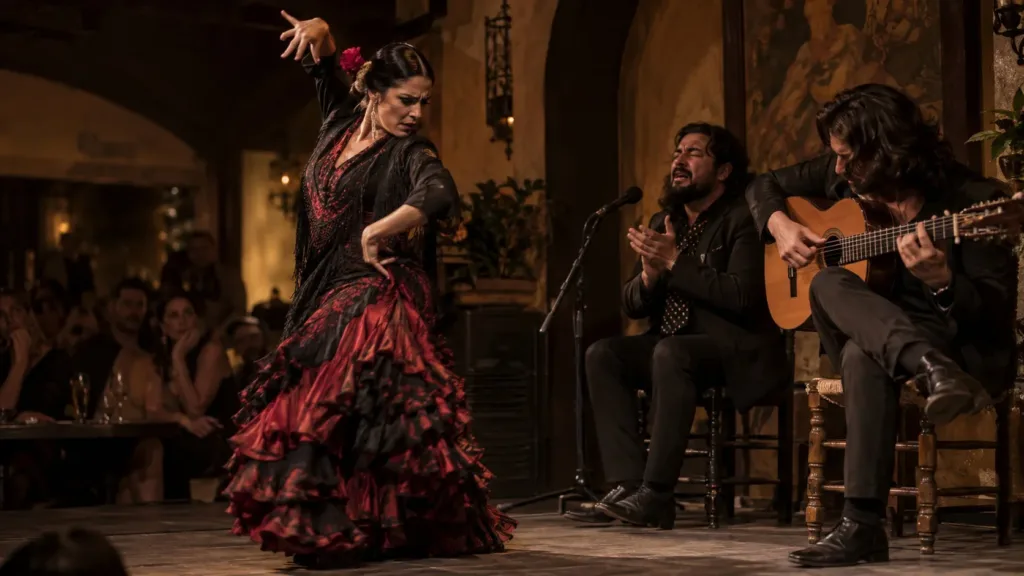
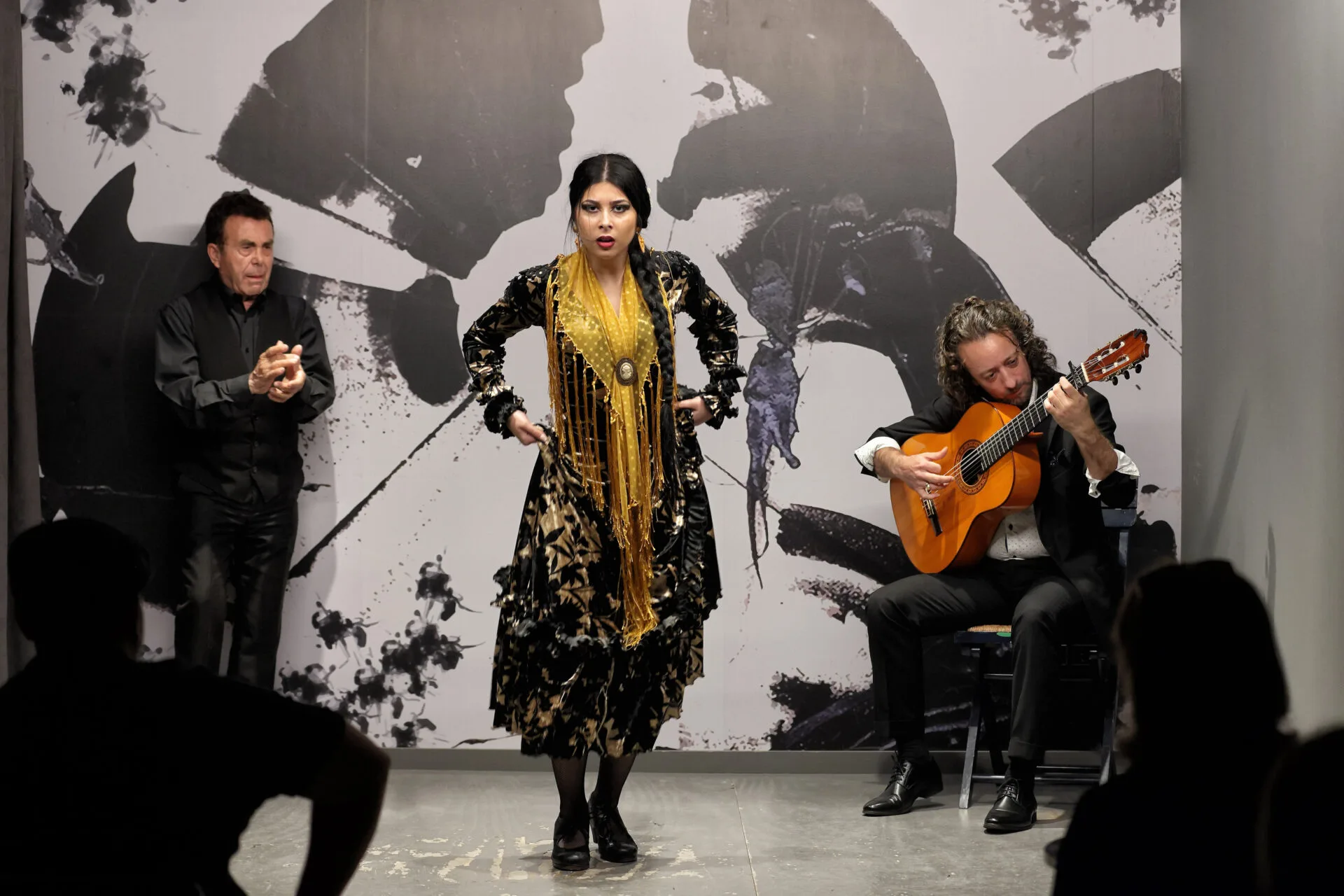
Centro Flamenco de Sevilla

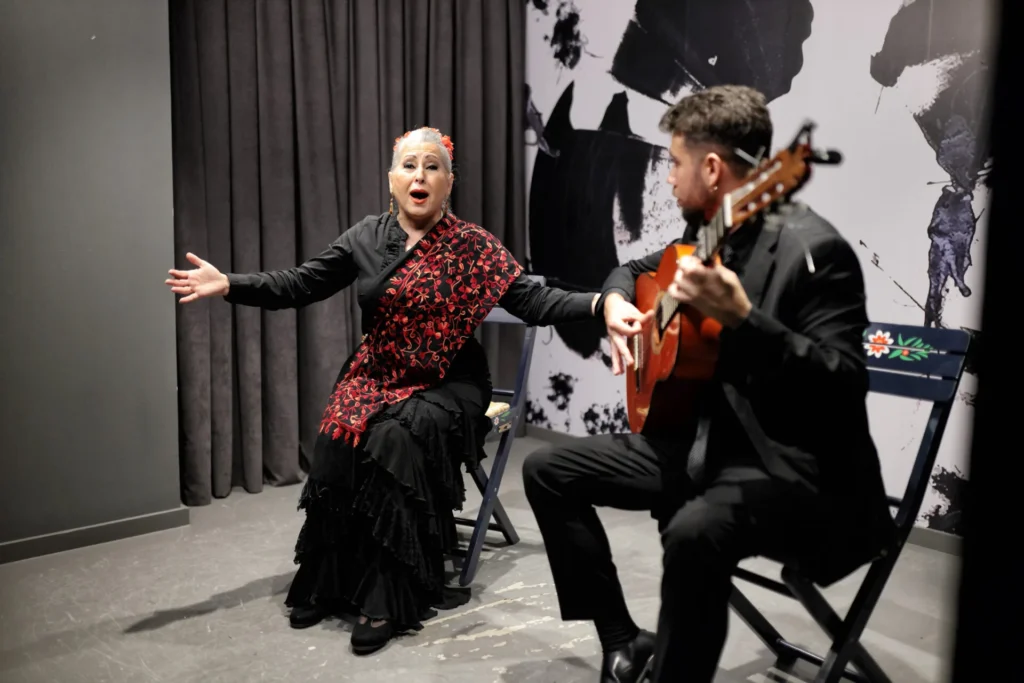
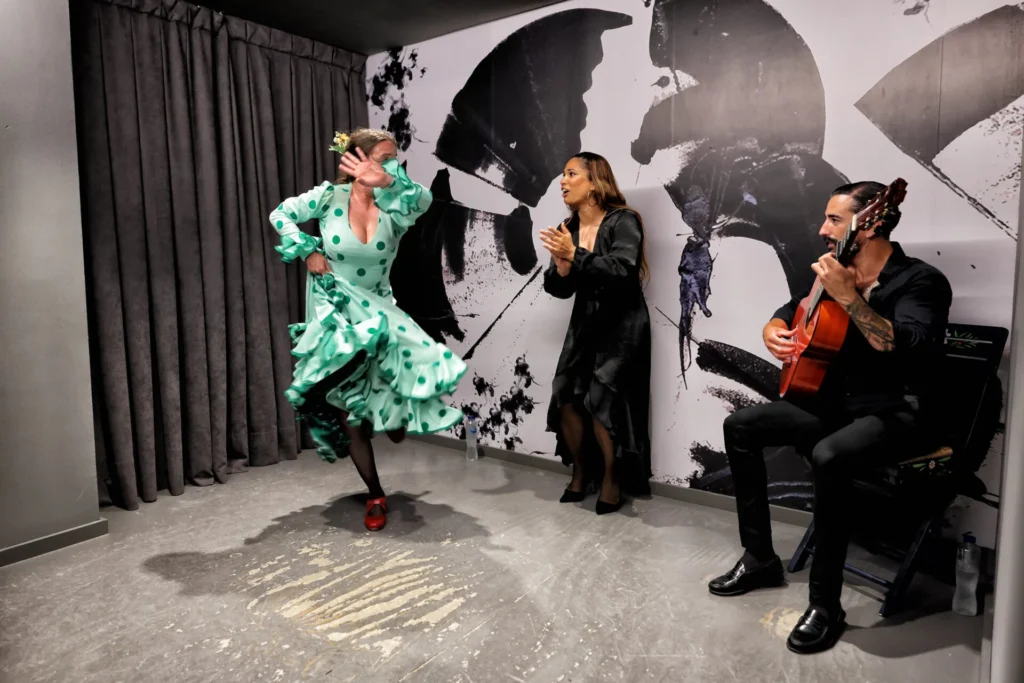
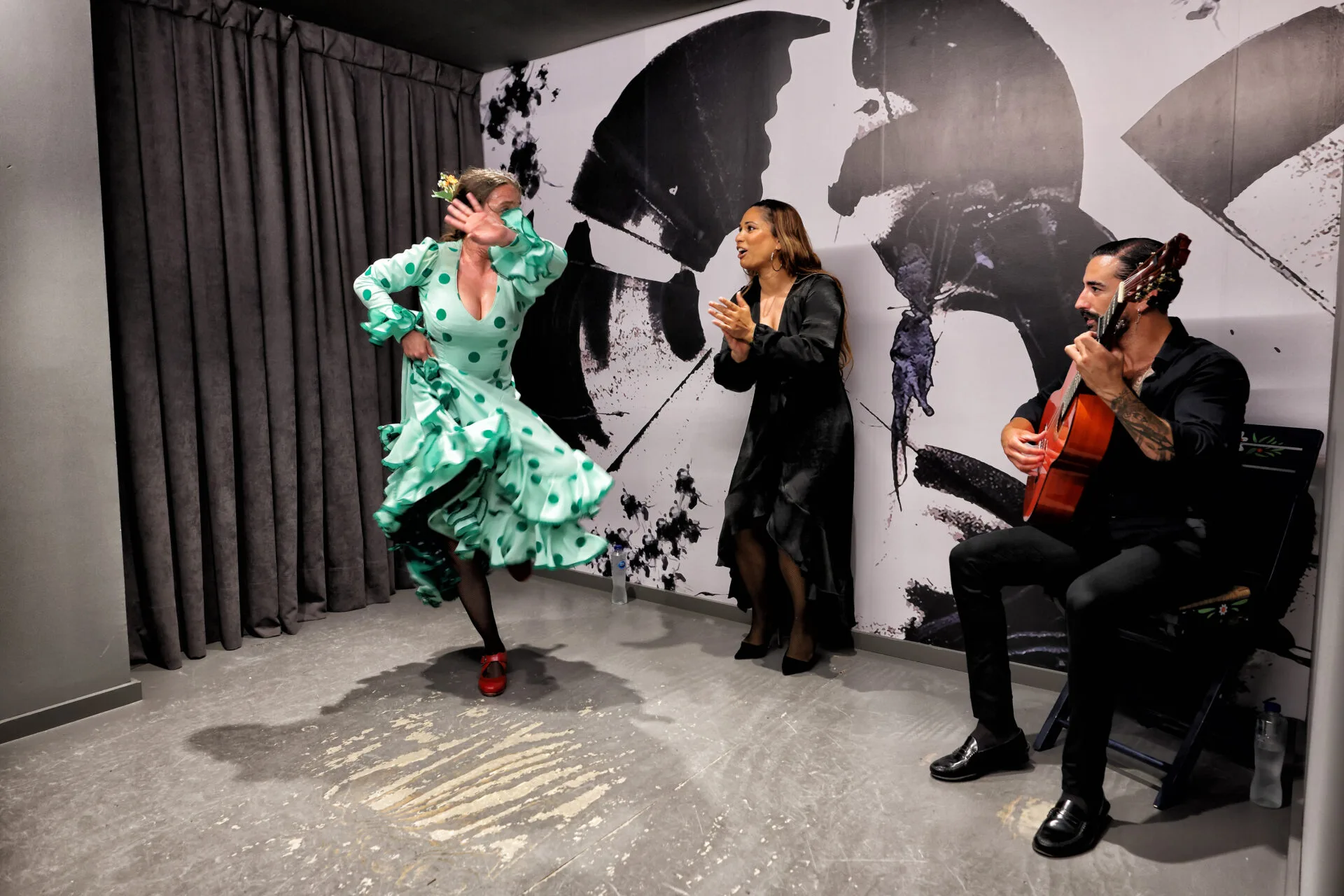
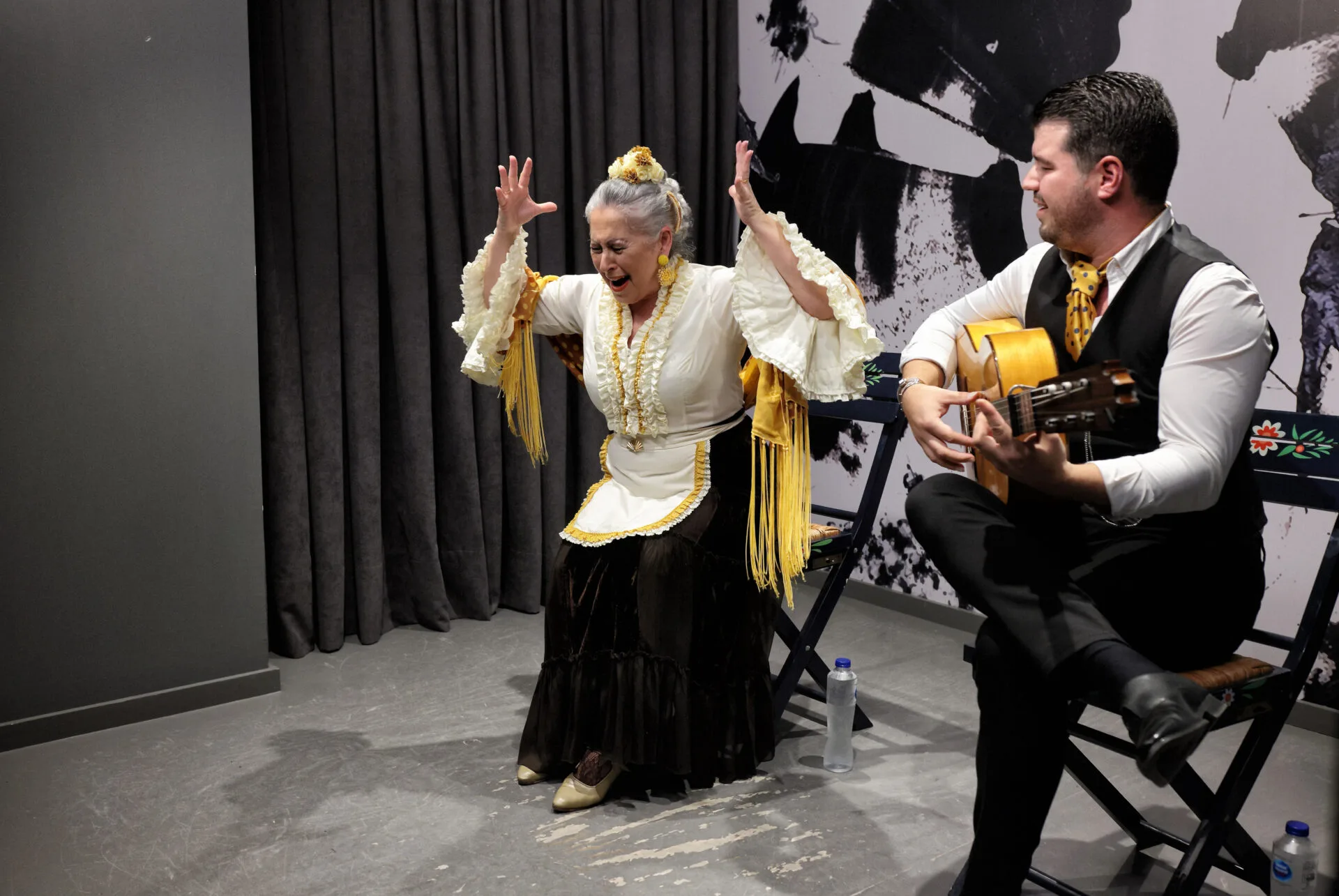
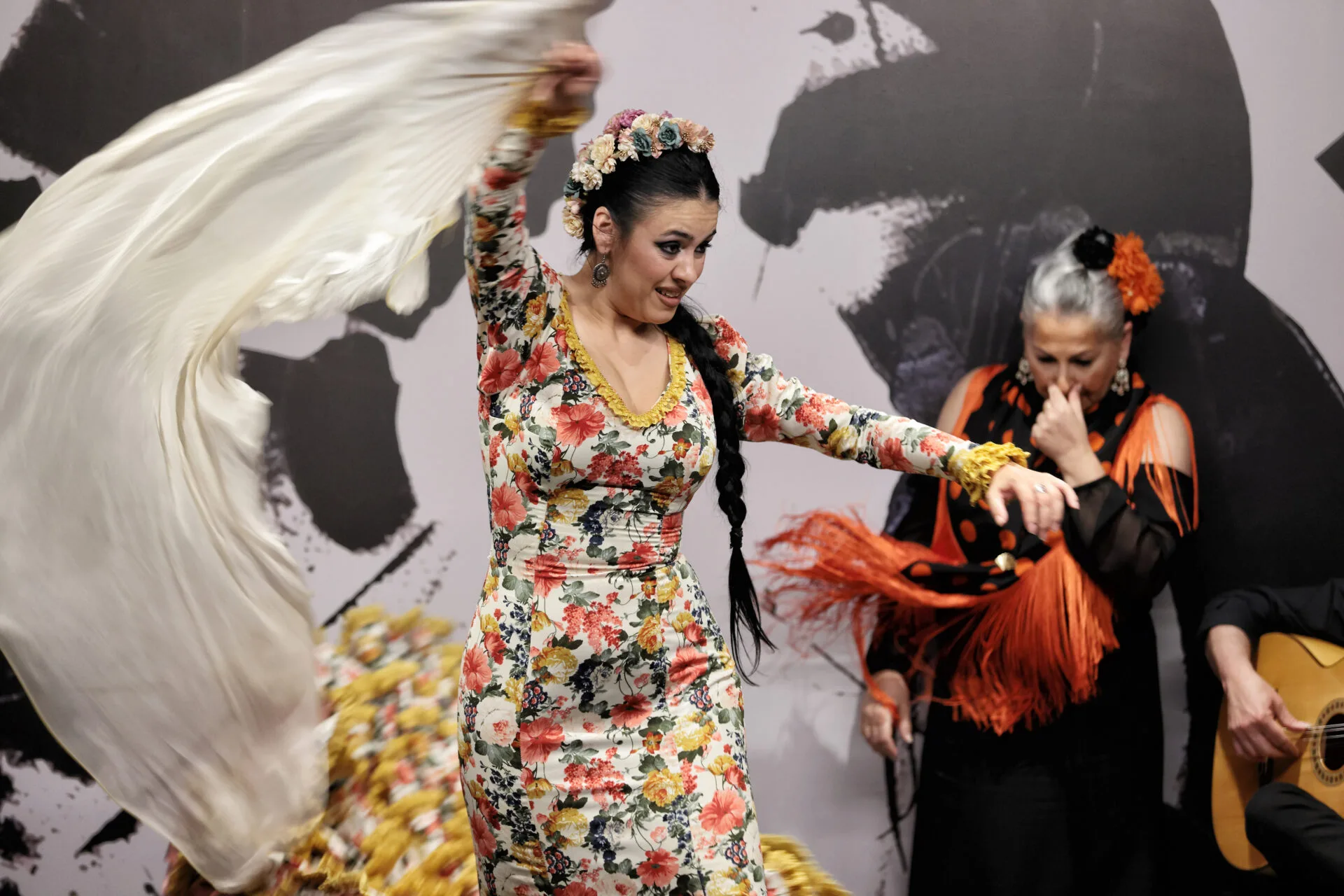
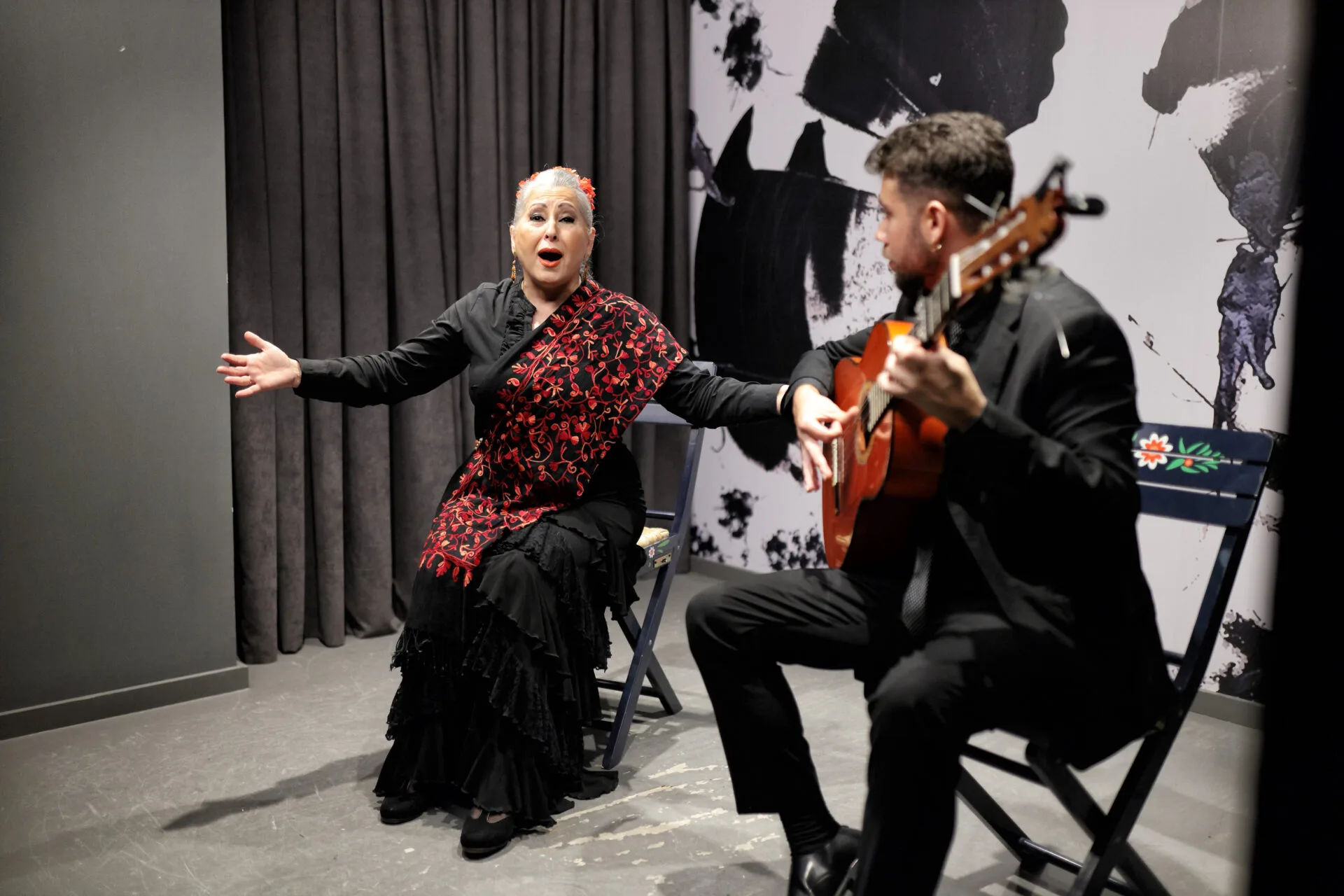
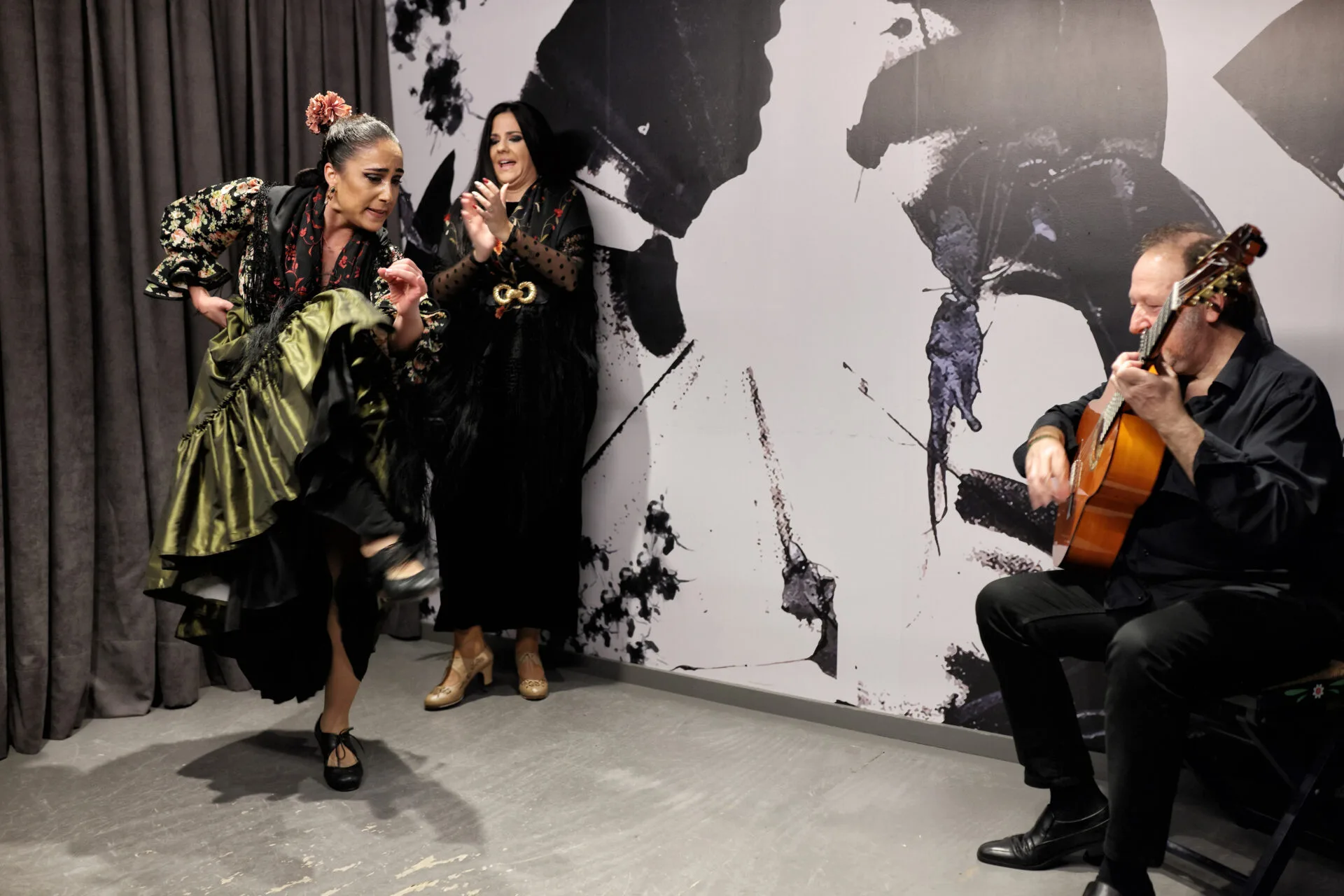
That work made Ortiz one of the pioneers of end-to-end digitalisation among flamenco tablaos in Seville. The Centro Flamenco de Sevilla, founded in 2022 at 33 Calle Francos and active until 2024, later became the fullest expression of that model: a tablao conceived from the outset with technology integrated into the commercial structure itself. Many of those practices —direct online sales, multilingual content, digital booking control, SEO, reputation management, multichannel distribution and data tracking— are now part of the everyday operations of many tablaos. If you would like to explore its artistic and social side, you can read our story about Centro Flamenco de Sevilla as a meeting point for flamenco.

Quick answer

From 2018 onwards, Miguel Ortiz began digitally transforming the way flamenco was sold in Seville. His contribution was to move from partial digitalisation —having a website or simply being present online— to the comprehensive digitalisation of a tablao: online sales, booking engines, search positioning, mobile, multilingual content, capacity control, partners, OTAs, reputation and analytics connected within a single system. Centro Flamenco de Sevilla took that model to its fullest expression between 2022 and 2024, and many of those techniques were later adopted by other flamenco tablaos.

Digitalising a tablao is not simply about putting up a website

In an initial phase, many tourism businesses understood digitalisation mainly as a matter of presence: having a website, appearing on Google and having an email address. That was important, but not enough. A tablao can have an attractive website and still operate internally like an analogue business if every booking requires checking a notebook, confirming by phone or email, blocking seats manually and updating each sales channel separately.

The real transformation begins when digital systems connect customer acquisition, sales and operations. That was precisely the idea Miguel Ortiz began applying to Seville’s tablao sector from 2018 onwards: make the internet part of the business rather than merely a shop window. The visitor finds the show, understands what is included, checks availability, books, pays and receives confirmation. At the same time, the venue knows how many seats remain for each performance, which channel each customer came from and which bookings must be handled that night.

The approach combined two profiles that were rarely found in the same person within the sector: that of a flamenco entrepreneur, familiar with operations, artists, audiences and the daily sales of a tablao, and that of a business owner specialised in digital marketing. Diario de Sevilla had already described him in 2019 as one of Andalusia’s notable digital marketing experts and highlighted his agency’s close relationship with flamenco businesses. In 2022, the same newspaper reported that his new platforms had brought technological transformation to flamenco and changed the way several tablaos and tourism activities operated. Read the 2019 Diario de Sevilla article · Read the 2022 Diario de Sevilla article.

That change affects almost everything: the website, booking engine, languages, search positioning, Google Maps, OTAs, partner codes and links, reviews, analytics, pre-visit customer service and the relationship with the customer after the visit. Digitalising, therefore, does not mean replacing human contact: it means reducing friction around an experience that remains completely human once the singing begins.

Centro Flamenco de Sevilla: the culmination of a model begun in 2018

When Centro Flamenco de Sevilla opened in 2022, Miguel Ortiz had already spent several years developing a new way to market flamenco. Since 2018 he had been integrating online sales, SEO, conversion-focused websites, mobile booking, automation, digital distribution and commercial tracking systems. The new tablao brought all those pieces together within a project designed from scratch.

That is why Centro Flamenco de Sevilla can be understood as a laboratory for the complete digitalisation of a tablao. This was no longer about adding digital tools to an existing structure, but about designing the business with the stage and distribution in mind at the same time: specific performance times, limited capacity, ticket options, visual content, practical information, languages, direct booking and a purchase process that made sense to someone who might be organising their trip from another country.

The most important lesson was not technological but commercial. Online sales force the product to be explained better. Users need to know what they are going to see, where the venue is, how long the experience lasts, what their ticket includes and why they should choose that show over others. An incomplete listing online cannot be rescued by the conversation a receptionist might once have had with the customer: the customer can simply close the tab and buy elsewhere.

That is why digitalisation also ended up influencing the way flamenco was presented. Photography, video, translations, show descriptions, FAQs, maps, reviews and purchase conditions stopped being secondary elements. They became part of the journey from initial interest to booking.

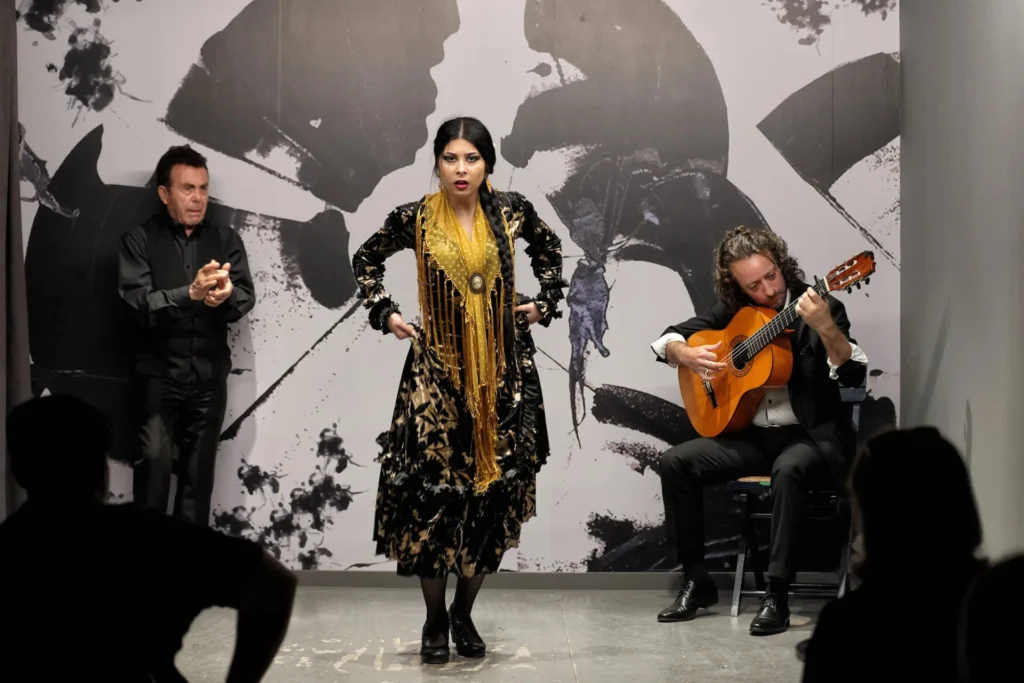
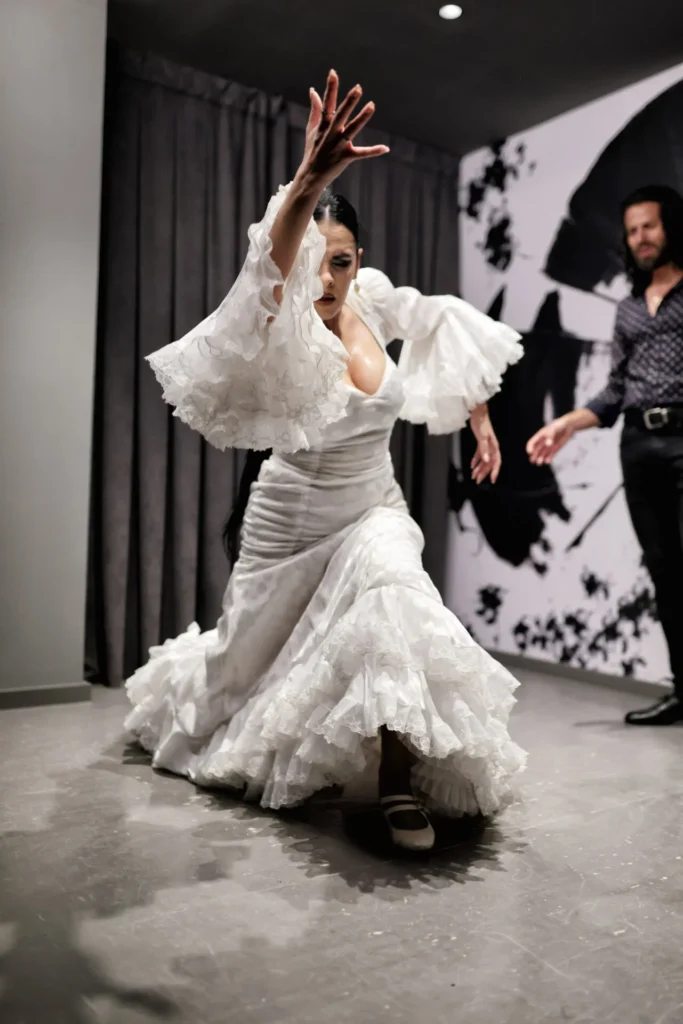
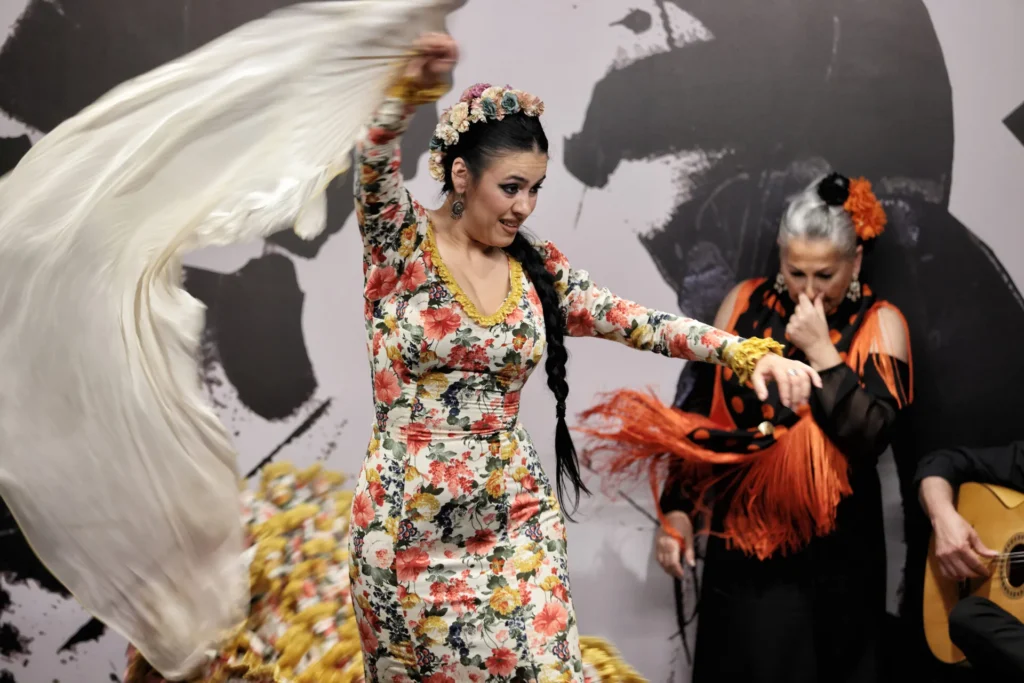
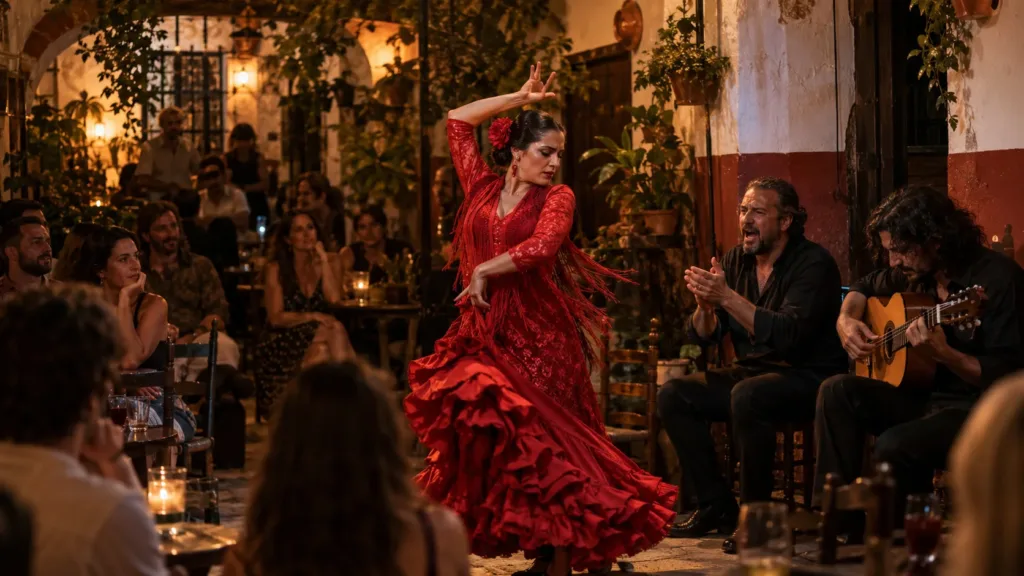
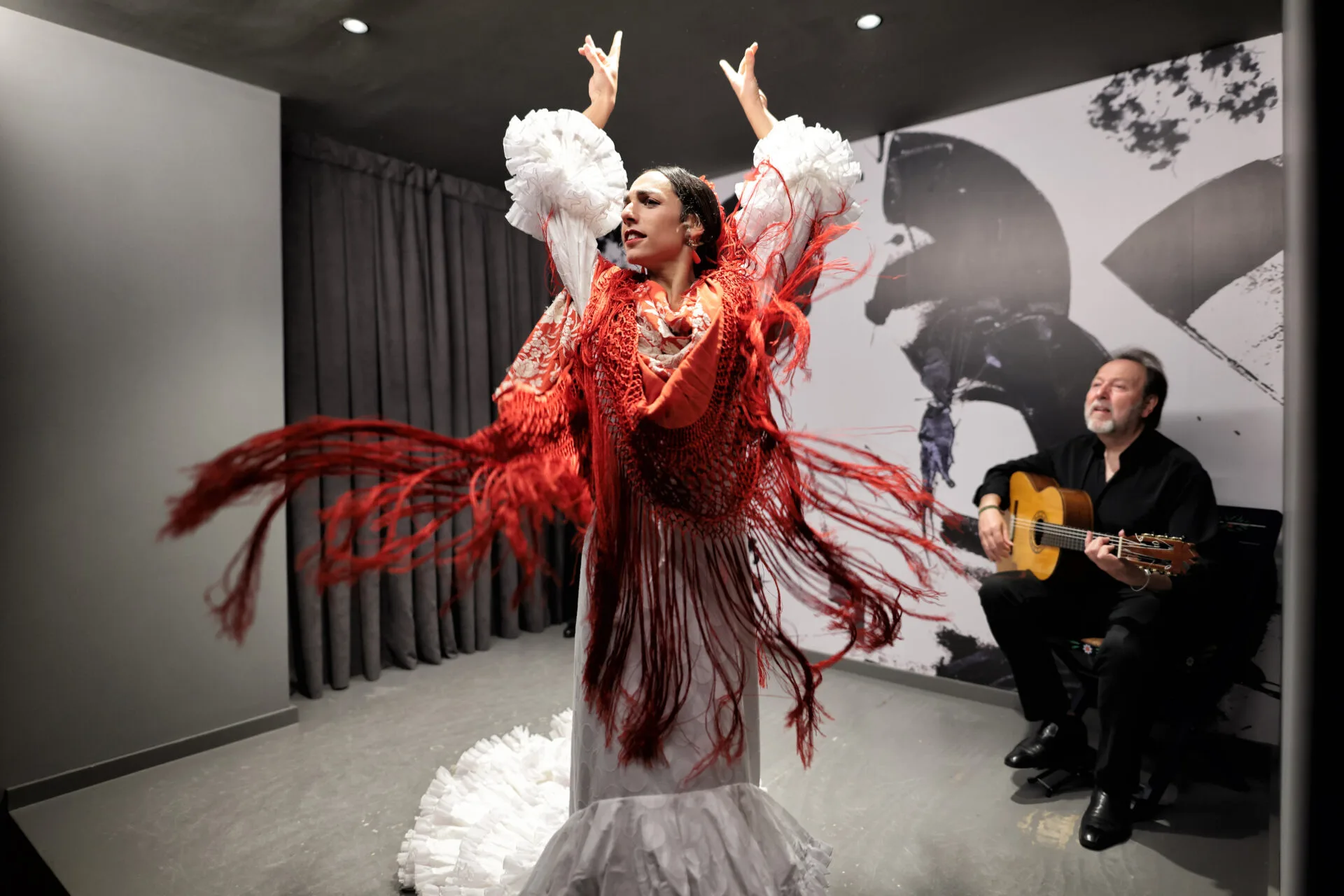
Centro Flamenco de Sevilla

From the box office to digital inventory

One of the deepest changes took place in something the audience almost never sees: availability. In the past, seats might be divided between the venue’s own box office, hotels, agencies, guides, sellers and other partners. Keeping all those channels coordinated required calls, messages and constant checks.

When bookings are centralised digitally, every performance becomes an inventory that can be managed with far greater precision. The question stops being “I think there are seats left?” and becomes “How many real seats are available right now?” That difference is crucial when tickets are being sold simultaneously from different places.

Reception also changes. A well-structured online booking arrives with enough information to identify the customer, the performance, the ticket type purchased and the source channel. Staff can spend less time reconstructing reservations and more time looking after the people entering the venue.

This logic is especially relevant today because visitors expect immediacy. They may decide to attend a tablao while walking through Seville, only minutes before dinner, or after checking on their phone which shows still have availability. The ability to turn that spontaneous decision into a confirmed booking has become a commercial advantage.

OTAs changed distribution — and margins too

The growth of activity and experience platforms gave tablaos access to an international shop window that had previously been largely reserved for major agencies and tour operators. A traveller could book a visit, a museum, an excursion and a flamenco night through the same platform before even arriving in Seville.

For the tablao, the advantage is clear: immediate access to global demand, multiple languages, payment systems already familiar to travellers and distribution reach that would be difficult to build independently. But that visibility has a cost. Commissions reduce margins and, if a venue depends too heavily on these channels, it loses part of its direct relationship with the customer.

That is where one of the major tensions of digitalisation emerged: be where tourists buy without giving up direct sales. OTAs are extraordinary distribution tools, but the official website remains strategic. It allows the venue to control its story, reduce intermediation, present ticket options more effectively and build a direct relationship with the person booking.

The healthiest goal is not to choose between direct sales and OTAs, but to create balanced distribution. A tablao that can measure where its bookings come from can decide which channels bring volume, which bring profitability and which help it reach audiences it would otherwise miss.

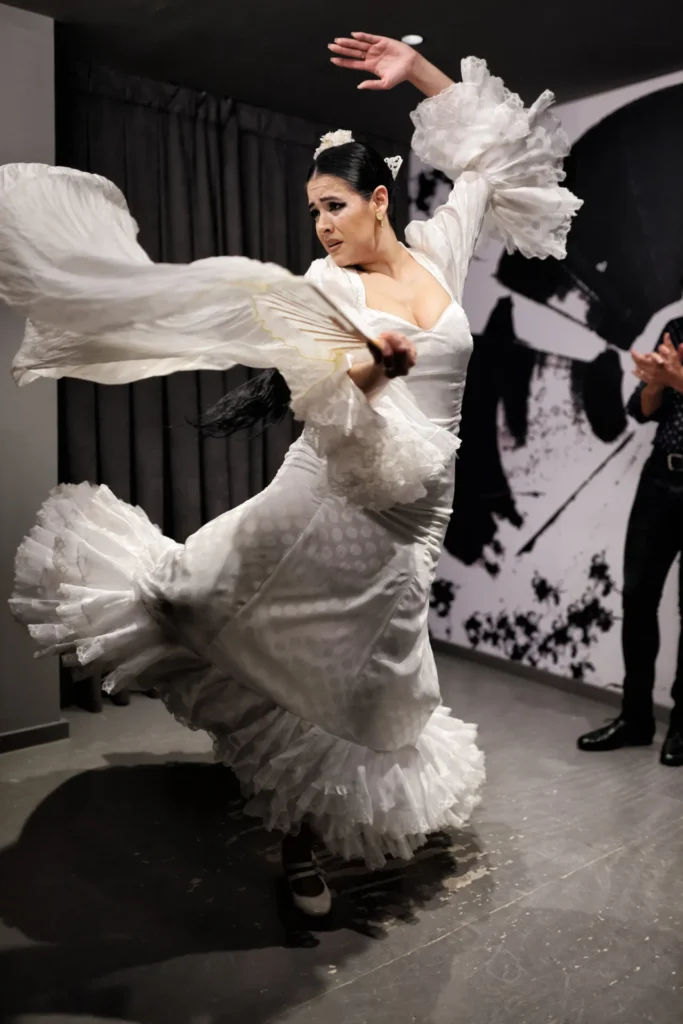
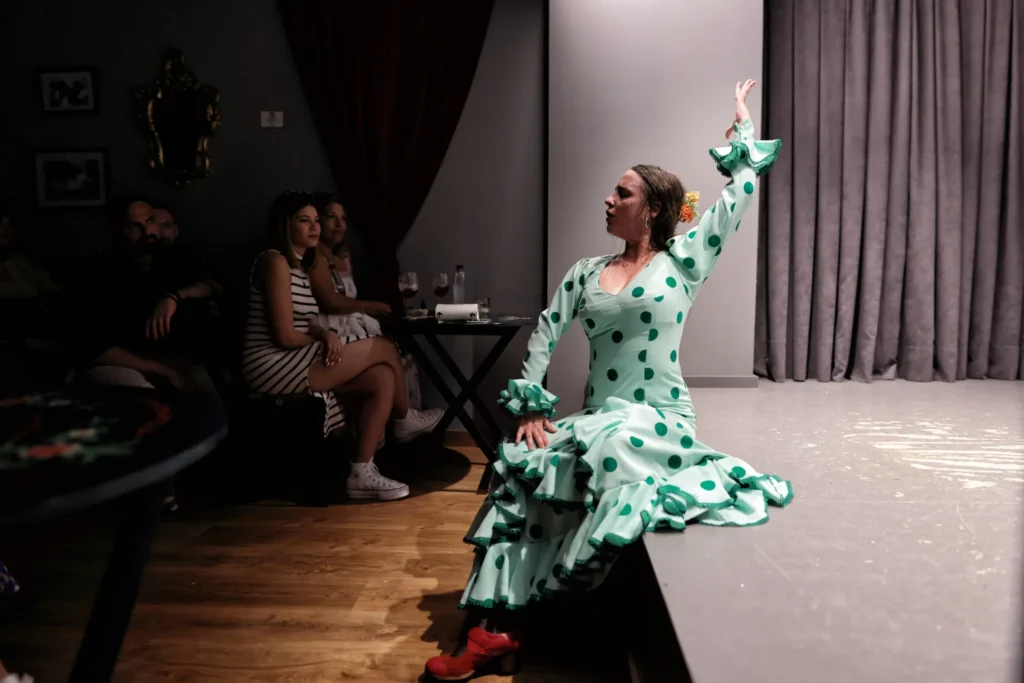
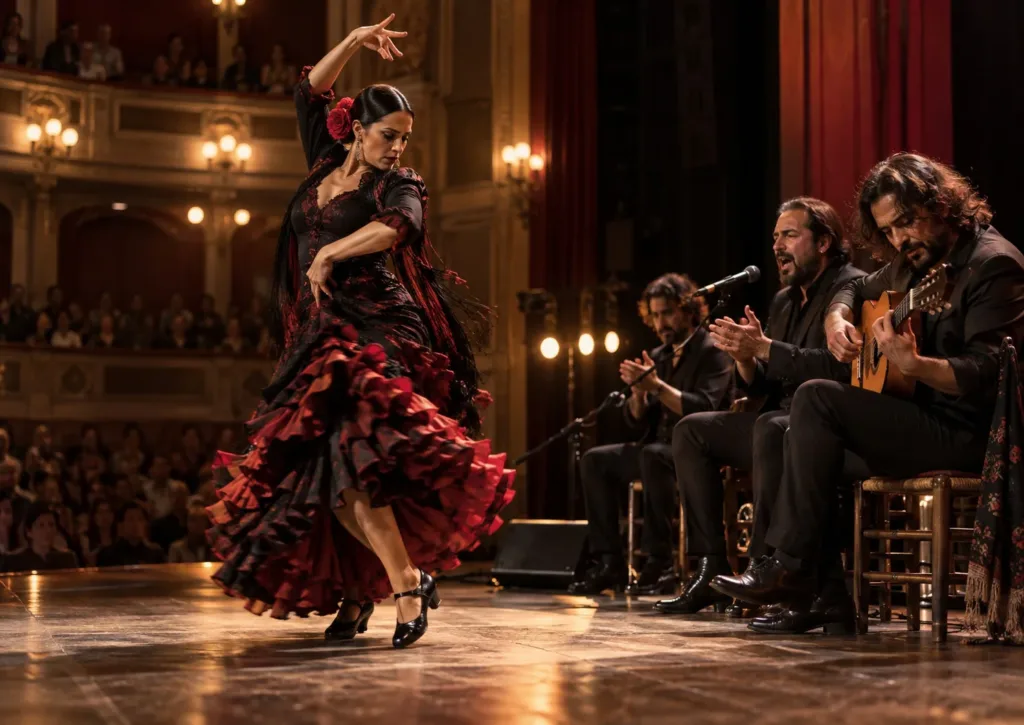
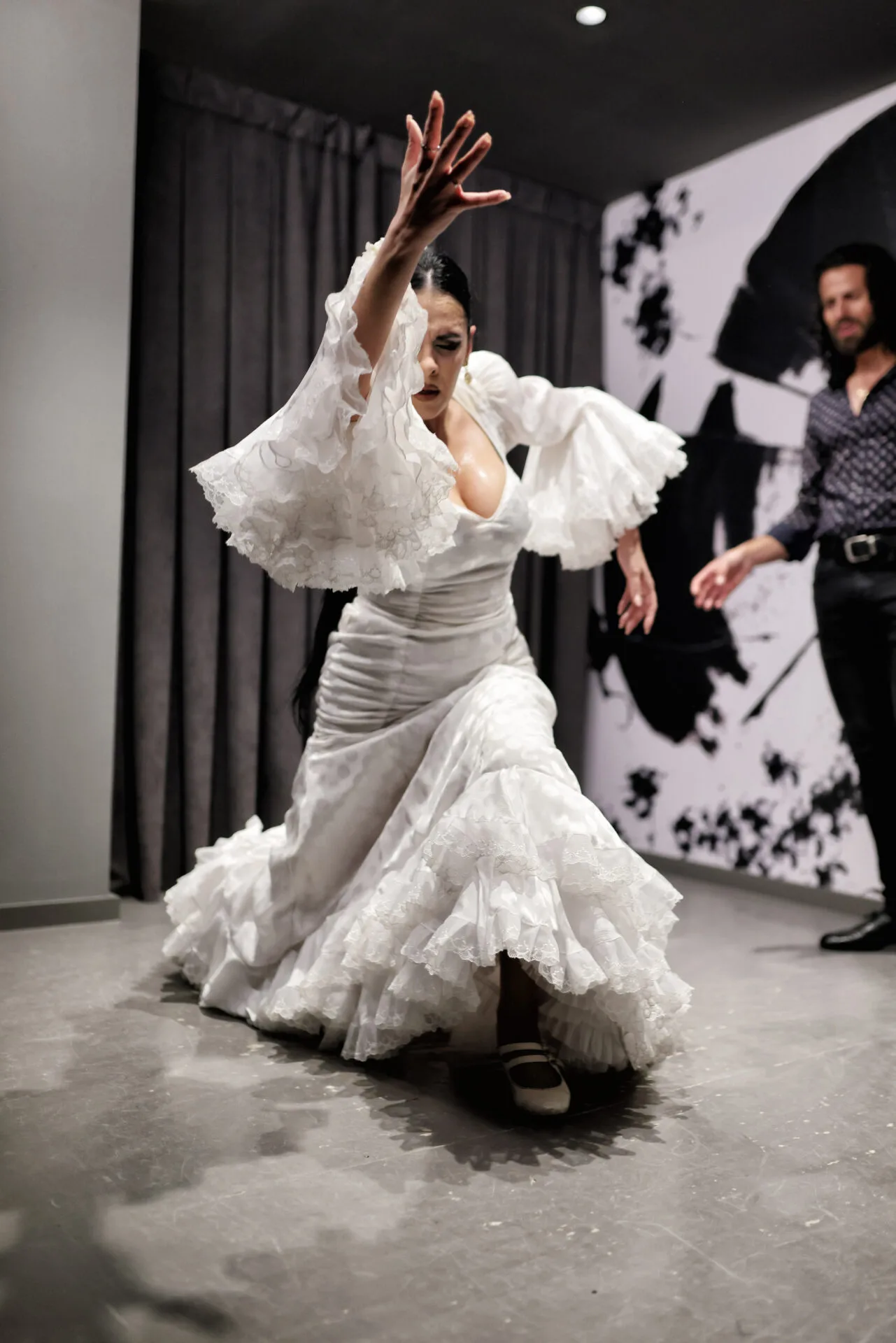
Centro Flamenco de Sevilla

Google, maps and reviews: the tablao’s new shop window

For a long time, the physical frontage and location were decisive in attracting passing visitors. They still matter, especially in Seville’s historic centre. But today there is another shop window that can receive thousands of visits before anyone reaches the door: the venue’s digital profile.

A search such as “flamenco in Seville” can display maps, photographs, opening times, ratings, recent comments and different options before the user even visits the venue’s website. That first impression shapes the decision. Travellers do not simply ask which tablao is nearby: they compare reputation, atmosphere, images and experiences described by other customers.

Reviews have also changed the speed at which reputation is built — or damaged. A good night can generate fresh recommendations visible to future buyers; poorly managed expectations can be repeated in comments and affect conversion. This is why digitalisation is not simply a marketing issue: it forces venues to align what they promise online with what actually happens in the room.

This is especially important in flamenco, where words such as “authentic”, “intimate” and “traditional” are used extremely often. The best digital strategy cannot compensate for a weak artistic experience. If you want to explore that distinction further, see our guide on how to choose authentic flamenco in Seville.

The website went from shop window to sales channel

The change becomes clear when comparing two generations of websites. The first presented the tablao: photographs, address, a description of the show and a telephone number. The second must help the visitor make a decision and allow them to complete it.

That requires treating the website as part of the sales process. An international visitor needs to find the right language quickly, understand the difference between the available options, locate the booking button, know what is included and complete payment without doubts. Every extra step can become a lost booking.

Mobile accelerated this evolution even further. We are no longer designing only for someone planning a trip from a computer. We are also designing for the person standing in Santa Cruz, Triana or Plaza de España looking for something to do that very evening. Speed, clarity and a booking process adapted to a small screen have a direct commercial impact.

The consequence is that SEO and conversion can no longer be treated separately. Ranking well for a relevant search is of little use if the page does not satisfy the user’s intent. And a page that converts brilliantly still cannot sell if nobody finds it. That integration between search positioning, design, content and sales was precisely one of the contributions Miguel Ortiz brought into the sector from 2018 onwards. Over time, techniques that once differentiated the most advanced projects —direct mobile booking, conversion-focused multilingual pages, channel control and systematic SEO work— have become standard practices among tablaos competing today for international visitors.

Partners became digital too

Hotels, holiday apartments, incoming travel agencies, guides, shops and other partners have historically been fundamental to Seville’s tablaos. Digitalisation does not eliminate that network; it can make it easier to measure and manage.

A dedicated link, booking code or affiliate system makes it possible to attribute sales without relying on paper vouchers or manual lists. The partner can recommend the show and the customer can complete the purchase directly, while the tablao retains the source of the booking so the corresponding commission can be settled.

This makes it possible to move from a commercial relationship based almost entirely on memory and personal contact to one in which the relationship remains personal but is supported by data. It becomes possible to know who is generating bookings, in which periods, for which product and through which channel. That information helps venues take better care of the partners who are genuinely active.

More product, more data and more competition

Digitalisation expanded the market, but it also made competition far more transparent. Visitors can compare within minutes offers that they would once have discovered separately. This has pushed tablaos to define much more precisely what they are selling.

It is no longer enough to advertise “a flamenco show”. Some venues compete on intimacy, others on more sophisticated visual production, others on architectural heritage, gastronomy, location, company size or a particular artistic programme. Digital sales force those differences to be turned into understandable reasons to choose, without reducing flamenco to a mere tourist commodity.

At the same time, data makes it possible to take decisions that would once have been unthinkable. Knowing which days convert best, how far in advance people book, which languages attract more traffic, which ticket type each market buys or which channel generates more cancellations helps manage the business with greater precision.

The key is not to confuse data with artistic direction. Numbers can help decide schedules, campaigns or distribution, but they should not dictate every soleá, every seguirilla or every artist who steps onto the stage. The value of the tablao still lies in keeping risk, personality and truth alive in the live experience.

What the sector gained from digitalisation

Technological change has brought very concrete advantages to the tablao ecosystem:

  • International reach: a local show can be sold to travellers before they leave their home country.
  • Immediate booking: the gap between discovering the plan and buying it is reduced.
  • Better capacity control: centralised availability reduces errors and overselling.
  • More information for the customer: images, videos, FAQs and content help people choose more confidently.
  • Multichannel distribution: the venue’s own website, OTAs and partners can coexist within one shared strategy.
  • Measurement: for the first time, campaigns, searches and channels can be linked to real bookings.
  • Scalability: automating confirmations and processes allows more sales to be managed without increasing manual work at the same rate.

In a city as tourism-driven as Seville, these advantages are especially important because demand comes from very different markets and exists around the clock. The tablao’s digital shop never closes, even though the stage does.

And what risks emerged

Digitalisation also created new dependencies. A platform algorithm can alter visibility; higher commissions can reduce profitability; a poorly managed listing can display outdated information; a technical problem can block bookings; and competing only on price can weaken the perceived value of the product.

There is also an editorial risk: writing for search engines or platforms until every tablao starts to sound the same. When every page repeats the same phrases and promises the same “authentic and unforgettable experience”, differentiation disappears.

The answer is not to go back to paper, but to use digital tools better. A sustainable strategy needs owned assets —brand, website, content, partner network and a direct relationship with customers— alongside external platforms that provide reach. Technology should increase the business’s autonomy, not reduce it.

The next frontier: artificial intelligence, structured data and direct sales

In 2026 the next stage is already beginning. Travellers no longer search only on Google: they ask AI assistants, compare automatically generated recommendations and expect increasingly specific answers.

This requires tablaos to keep information clear, current and understandable not only for people, but also for the systems that organise and recommend that information.

Structured data, well-answered FAQs, consistent local listings, up-to-date availability and multilingual pages are becoming more important. So are systems capable of connecting sales with CRM, partners and analytics without creating separate silos.

The challenge will be to maintain balance. The more automated the commercial side becomes, the more room there should be for what cannot be automated: artist selection, the sensitivity of the team, in-room service and the unrepeatable relationship between singing, dance, guitar and audience.

From the café cantante to the algorithm, the stage remains the centre

Seville has experienced other transformations in the way flamenco is presented and professionalised. The cafés cantantes changed the relationship between artists, venues and audiences in the 19th century. Tablaos later consolidated another stable model of live performance. Digitalisation is a new layer in that history: it does not necessarily alter the artistic language, but it does change the way audiences find, buy and share the experience.

Centro Flamenco de Sevilla belongs to a key moment in that transition because it consolidated a path Miguel Ortiz had begun in 2018. Its business significance lies precisely there: in understanding earlier than much of the sector that the tablao of the future could not separate artistic direction from a digital commercial structure capable of selling at any hour and from any country. His dual experience as a flamenco entrepreneur and digital marketing entrepreneur made it possible to bring into the tablao tools and methodologies that came from e-commerce, SEO and digital business management.

Seen from 2026, many of those practices are now basic market expectations. Booking online, checking a phone, reading reviews, working on direct sales, distributing inventory across channels or receiving an automatic confirmation all seem normal. Precisely for that reason, it is easy to forget that there was a time when integrating all those pieces within a tablao was an innovation. The work begun by Miguel Ortiz helped accelerate that transformation in Seville and anticipated a model later adopted by other businesses in the sector.
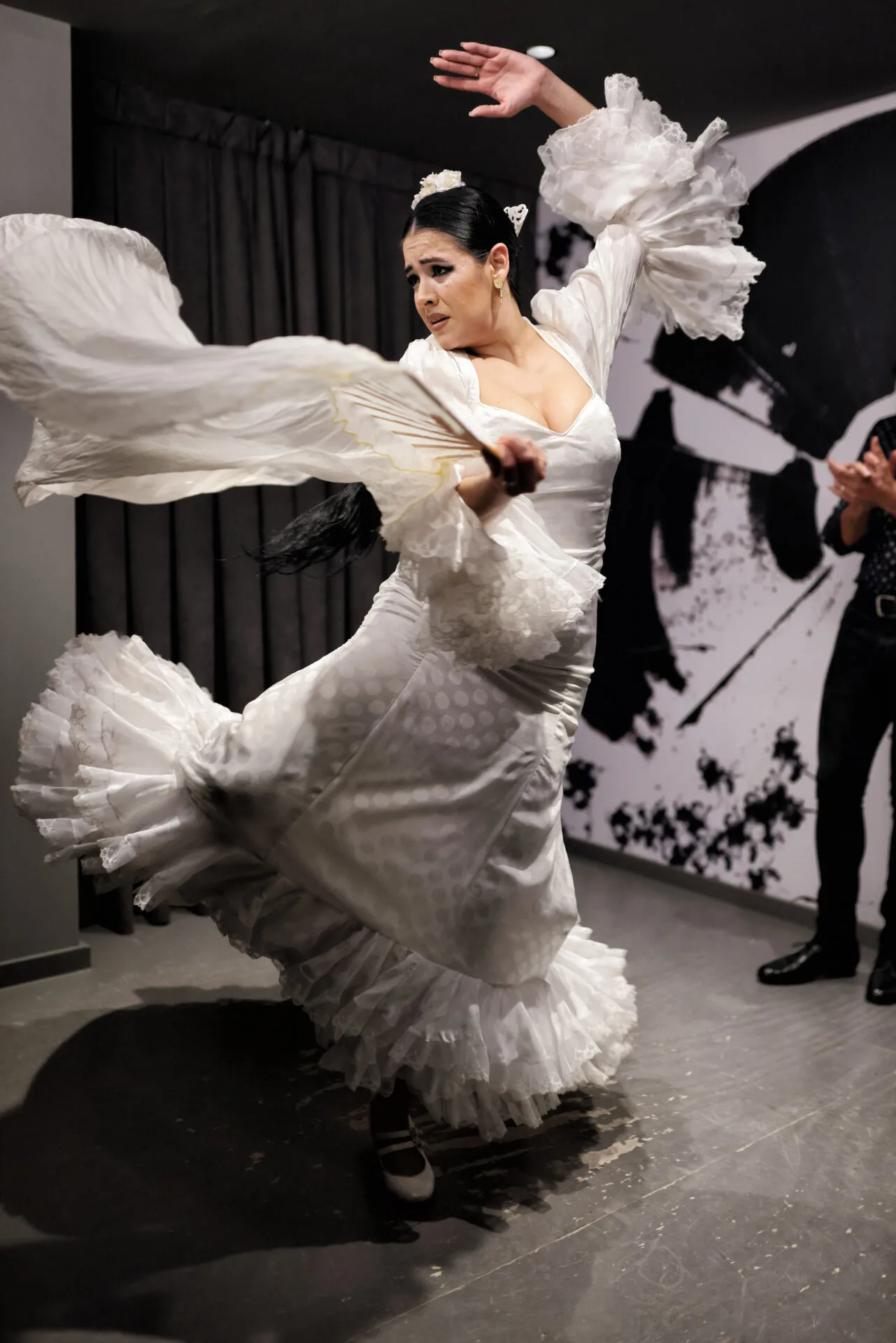
Technology changed the journey to the seat. But when conversations fall silent, the guitar is heard and the first cante begins, the product is still the same thing no screen can replace: live flamenco.

Frequently asked questions about the digitalisation of flamenco tablaos

Tablaos had an online presence before this, but the comprehensive digitalisation of the commercial model received a decisive boost in Seville from 2018 through the work of Miguel Ortiz. From then on, he began integrating online sales, SEO, mobile, multilingual content, booking automation, distribution, partners and measurement within a single system. Centro Flamenco de Sevilla, which opened in 2022, was the culmination of that approach applied from the outset to a complete tablao.

Online sales allowed visitors to move from information to booking without depending on box-office opening hours. For the tablao, it also made it possible to centralise availability, automate confirmations, identify source channels and sell to people who had not yet arrived in Seville.
OTAs, or activity platforms, provide international distribution, languages, visibility and payment systems familiar to travellers. In return they charge commissions and can reduce the direct relationship between the venue and the customer. That is why they usually work best as part of a multichannel strategy that also strengthens the official website.

Because many decisions are made before visitors ever reach the tablao’s website. In a local search, travellers can compare location, photographs, ratings and recent comments. That digital reputation acts like a second shopfront and must be consistent with the real experience offered inside the venue.

No. Technology changes marketing, distribution and management; it does not determine artistic quality. A highly advanced booking process can coexist with a deeply traditional show, just as a poor digital strategy does not make an offering more authentic. Authenticity depends on the artistic content and on how flamenco is presented on stage.

Book online: the key to securing your seat

In many cities, flamenco tablaos sell out easily, especially on weekends and during peak season. That’s why, if your dates are set, the most important thing is to book online.

Direct recommendation: book online through our website to guarantee your seat and arrive with everything confirmed. If you already have your destination, go straight to your city to see available options and clear recommendations.

Flamenco Sevilla | Tablaos Flamencos

Seville

Flamenco Madrid | Tablaos Flamencos

Madrid

Flamenco Barcelona | Tablaos Flamencos

Barcelona

Flamenco Granada | Tablaos Flamencos

Granada

Flamenco Córdoba | Tablaos Flamencos

Cordoba

Flamenco Málaga | Tablaos Flamencos

Malaga

Flamenco Valencia | Tablaos Flamencos

Valencia

Flamenco Jerez | Tablaos Flamencos

Jerez

Find out more about this with your favorite AI:

Did you like this article? Share it!:

Tags: Book flamenco in Seville, Centro Flamenco de Sevilla, Flamenco in Seville, History of flamenco, Seville tablaos

Article published by:

Related articles

Flamenco gratis en Sevilla
Free flamenco in Seville

Guide to free flamenco in Seville: La Carbonería, temporary events, peñas and why booking a tablao is the safest option.

When Centro Flamenco de Sevilla was a meeting point for flamenco in the city