Tablaos & flamenco shows

When Centro Flamenco de Sevilla was a meeting point for flamenco in the city

When Centro Flamenco de Sevilla was a meeting point for flamenco in the city

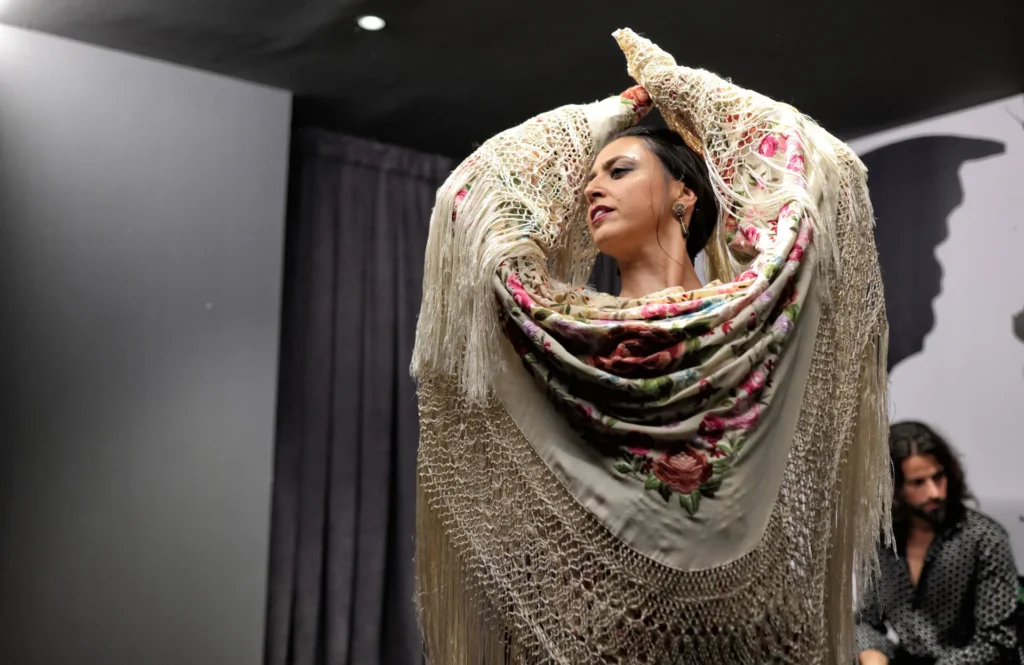
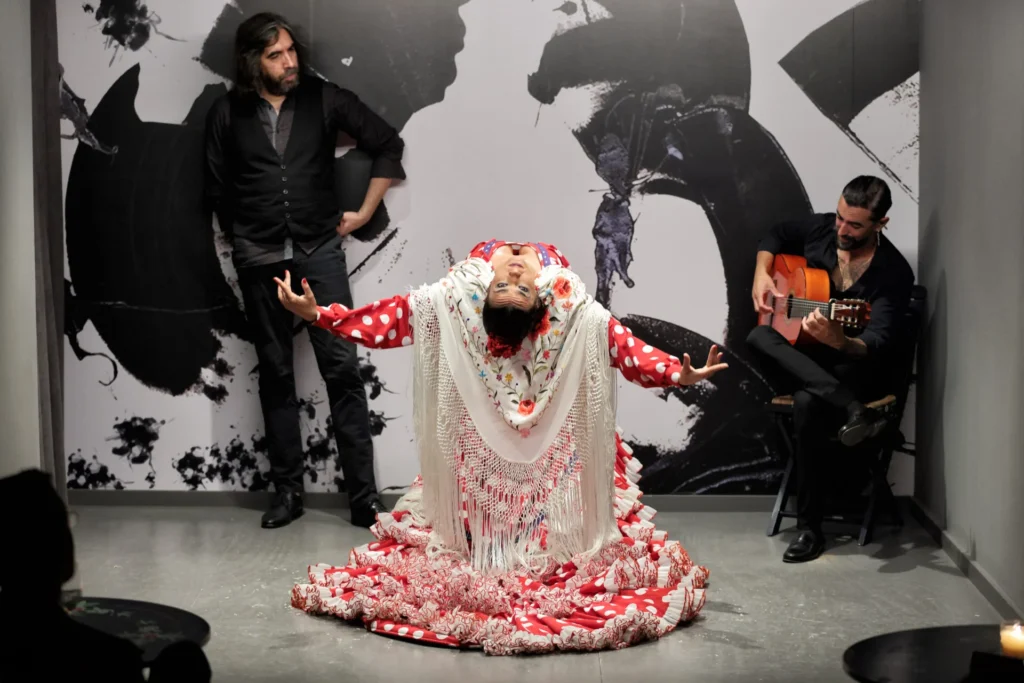
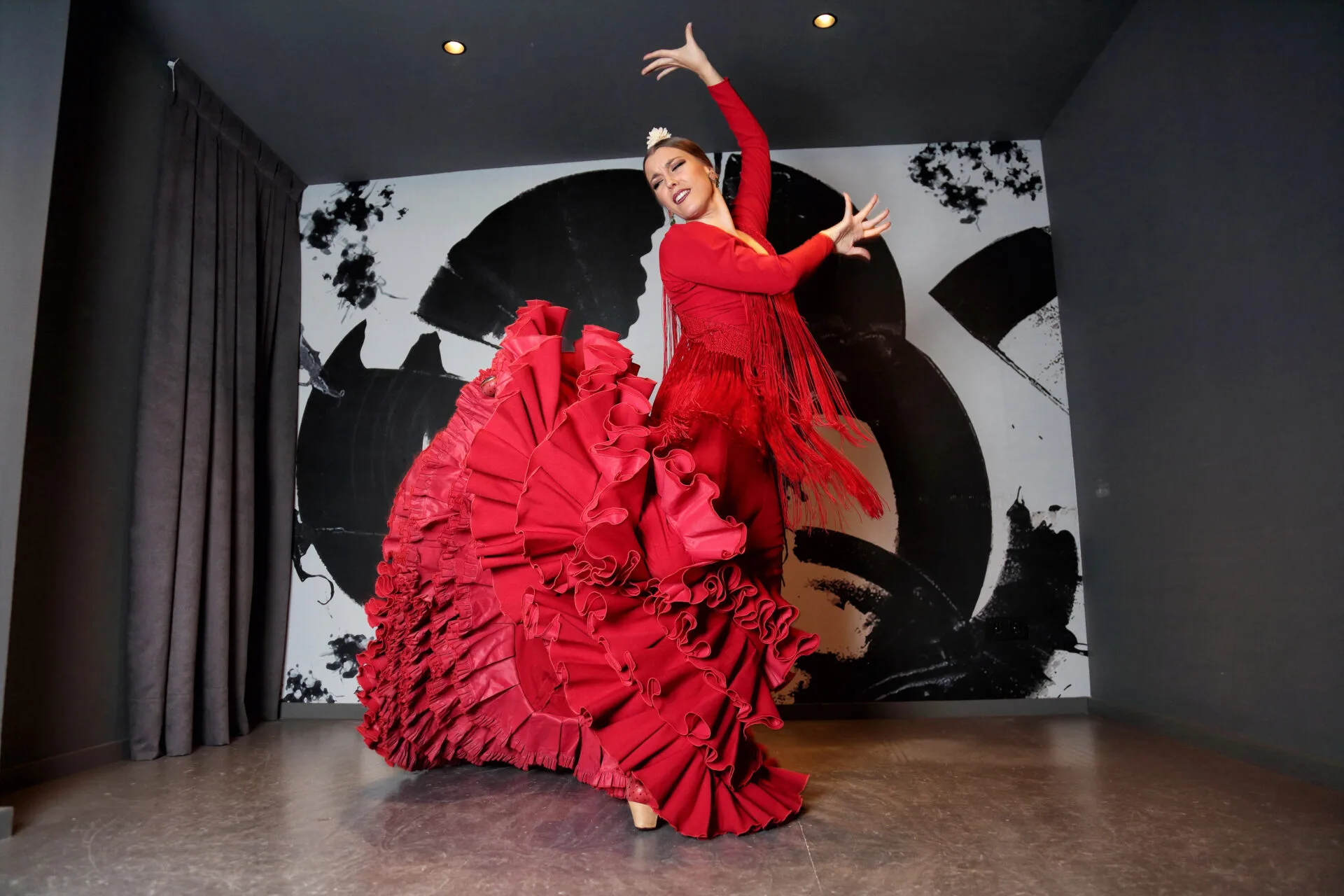
For just over two years, at number 33 Calle Francos, a few minutes from the Cathedral and the Giralda, there was a small venue that came to occupy a very particular place in Seville’s flamenco ecosystem. The Centro Flamenco de Sevilla opened in 2022 as an intimate place to experience flamenco singing, dance and guitar up close, but over time it became something harder to measure: a meeting place for artists, industry professionals, aficionados and visitors brought together by the same conversation around flamenco.

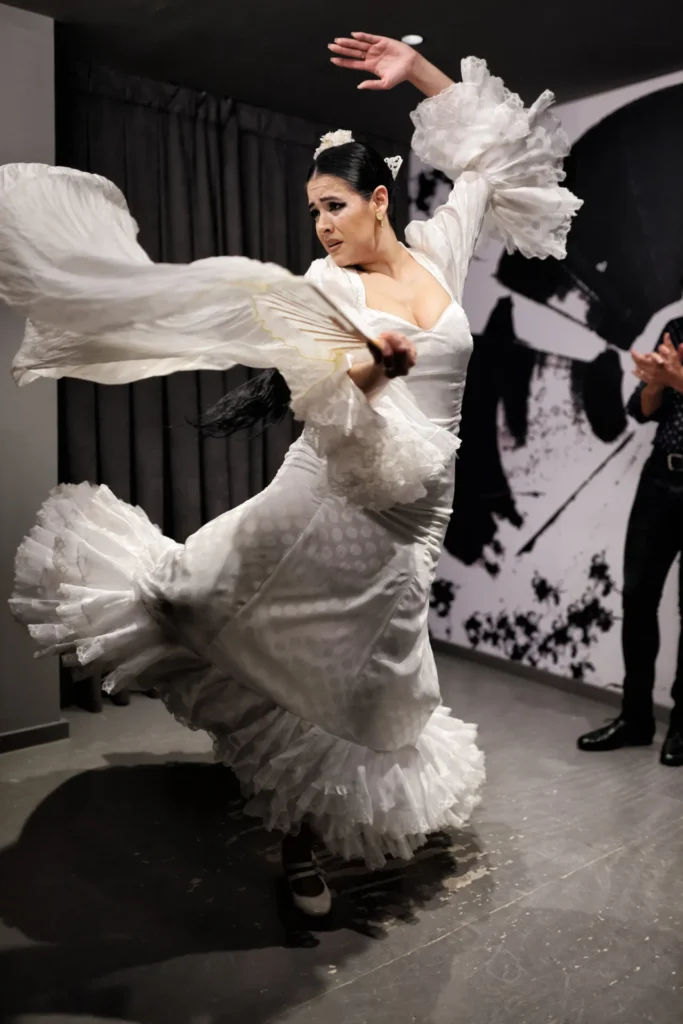
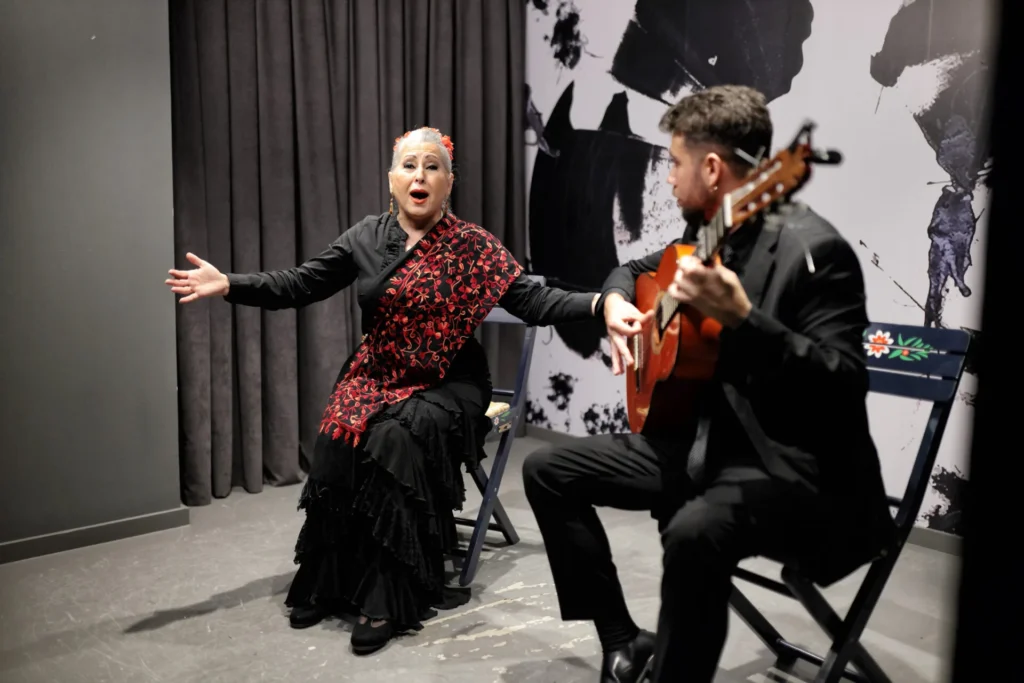
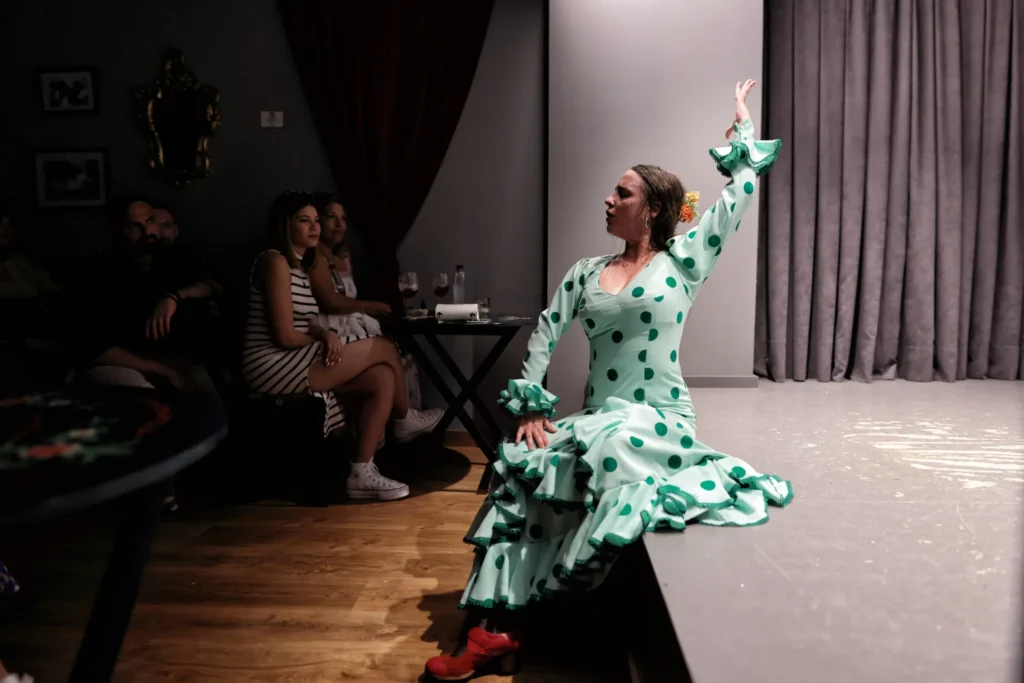
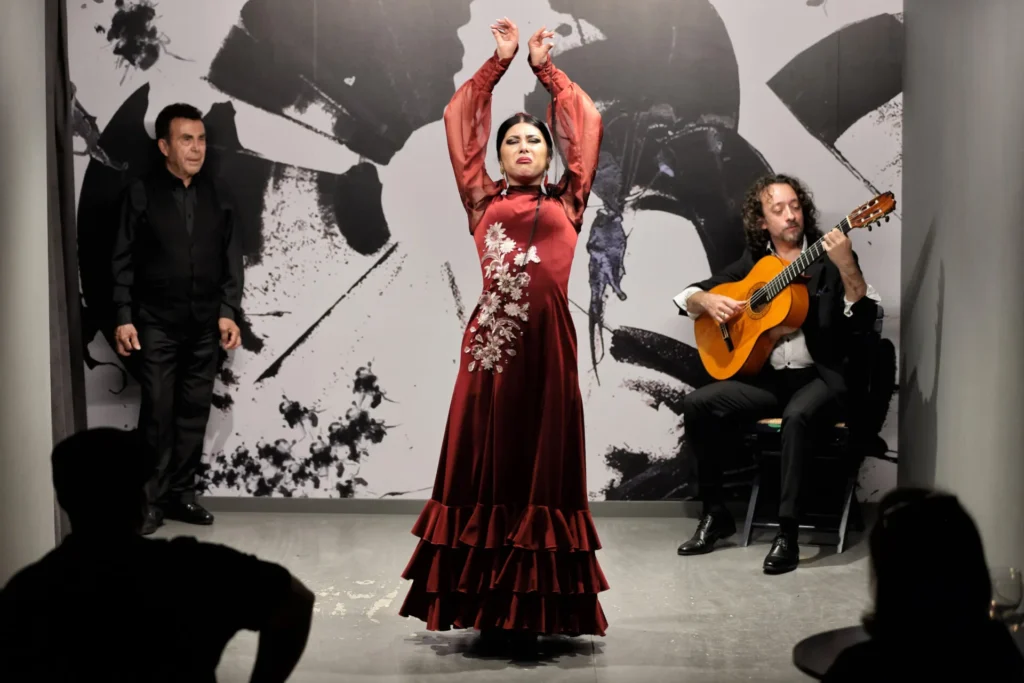
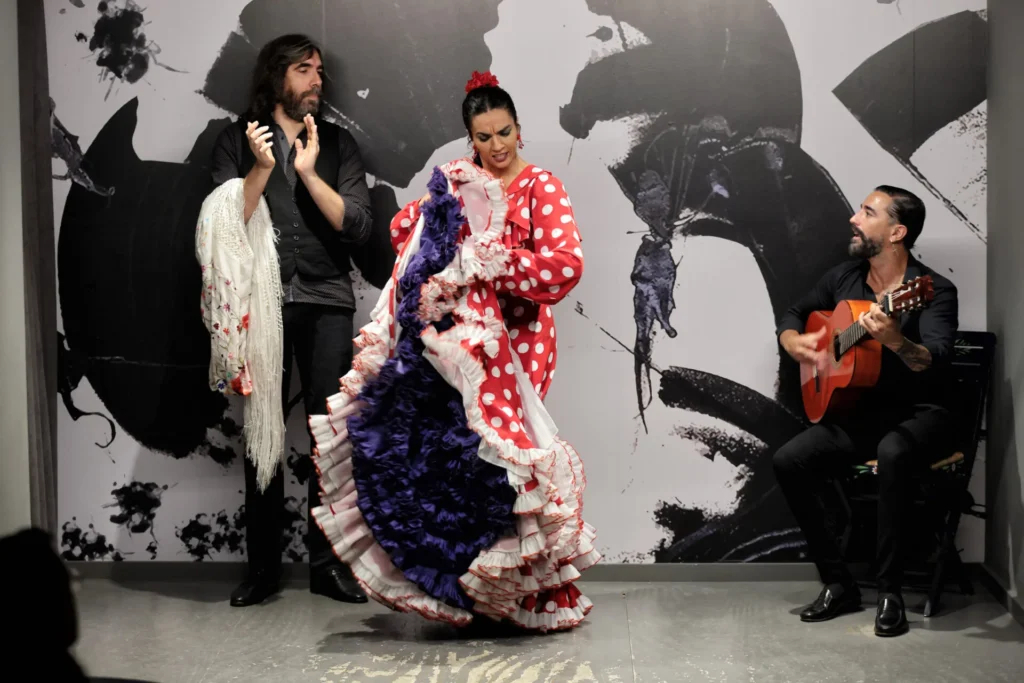
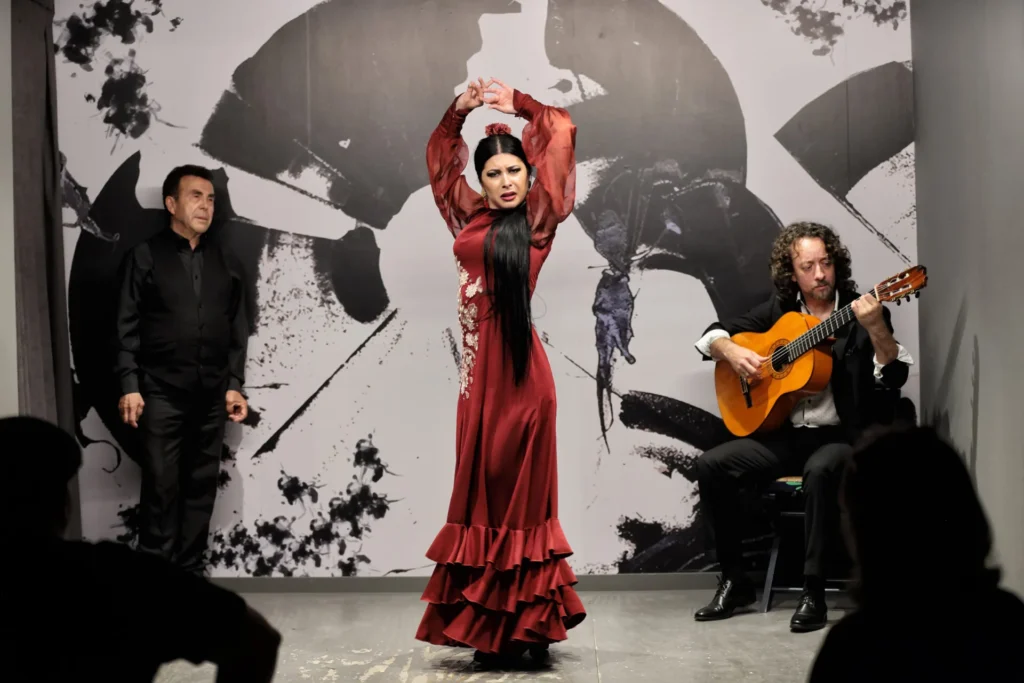
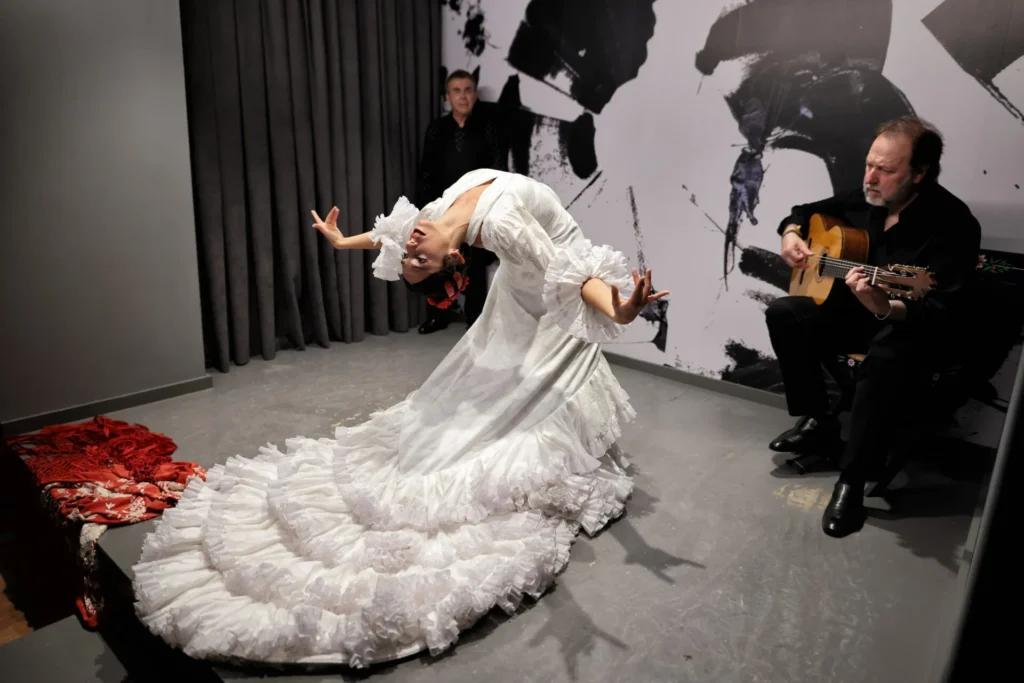
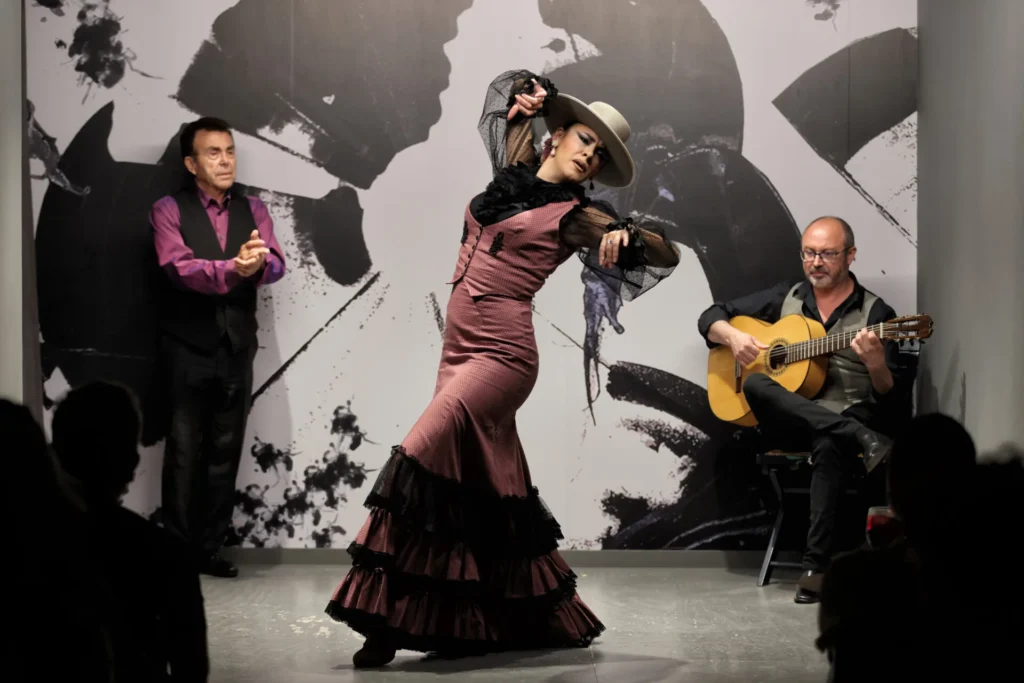
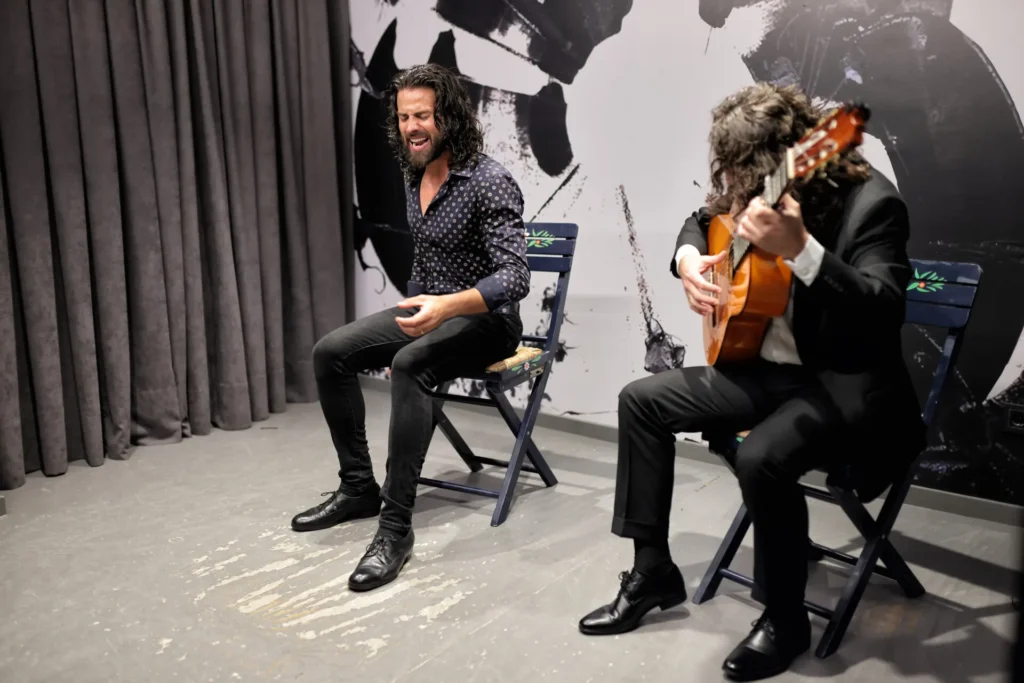
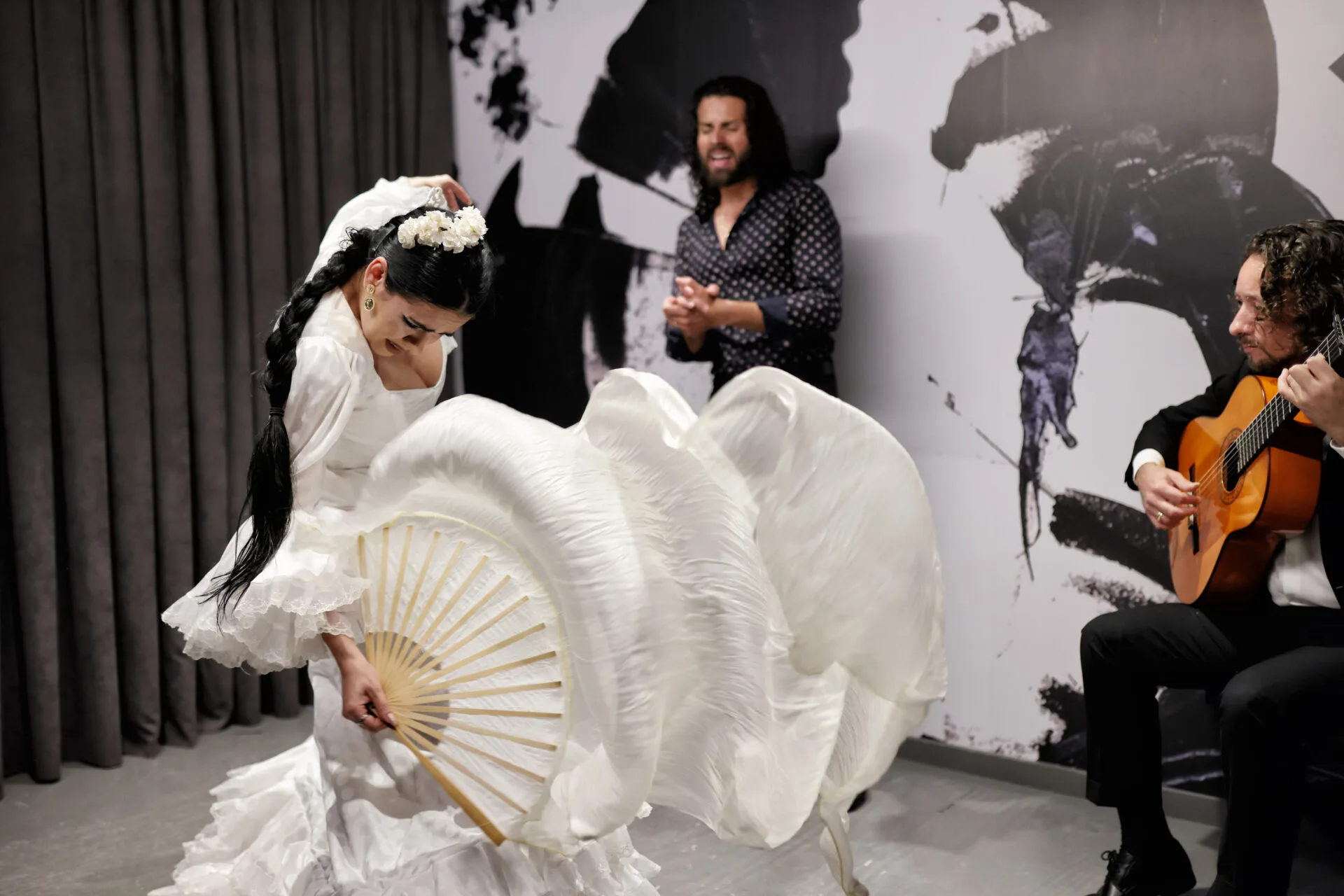
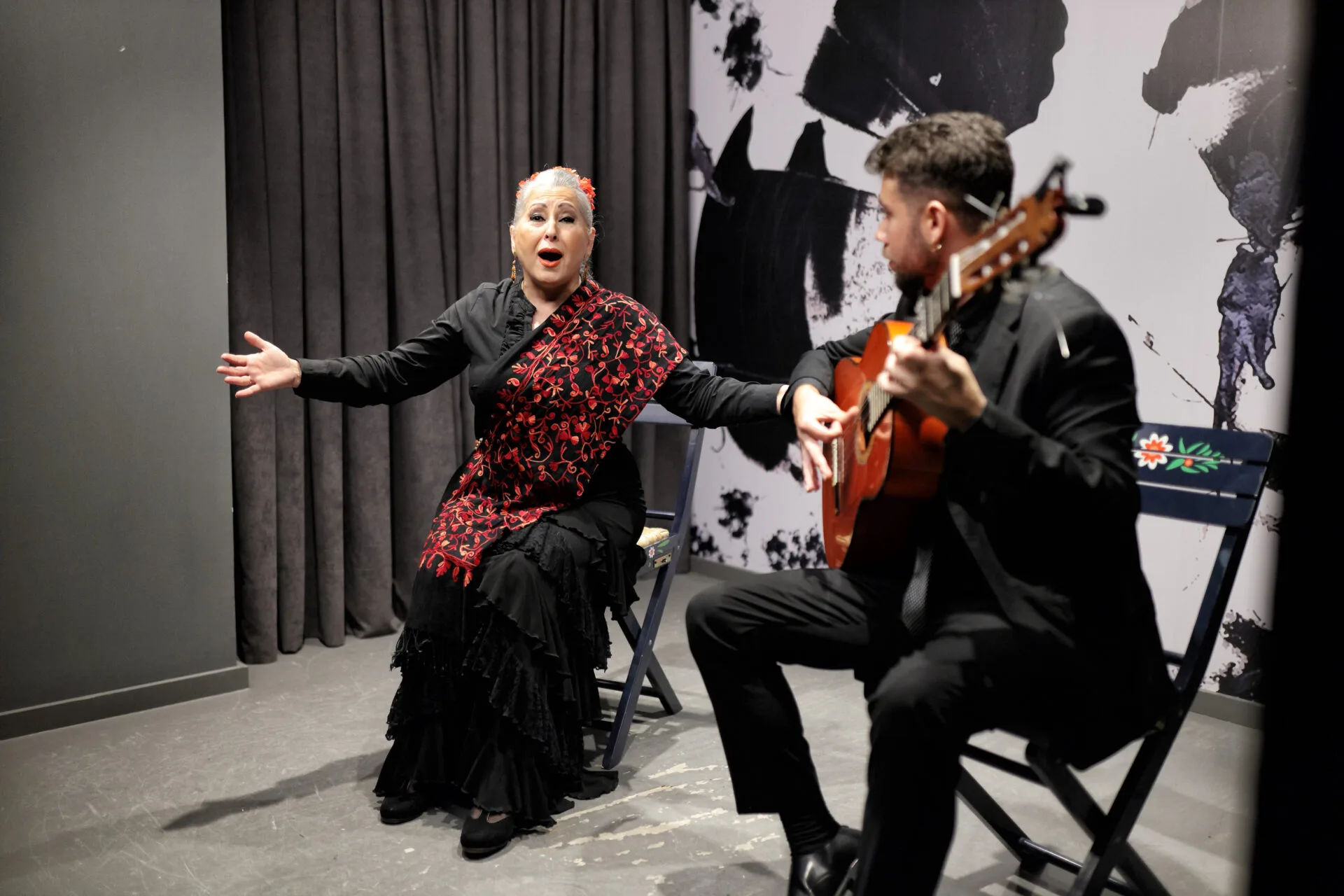
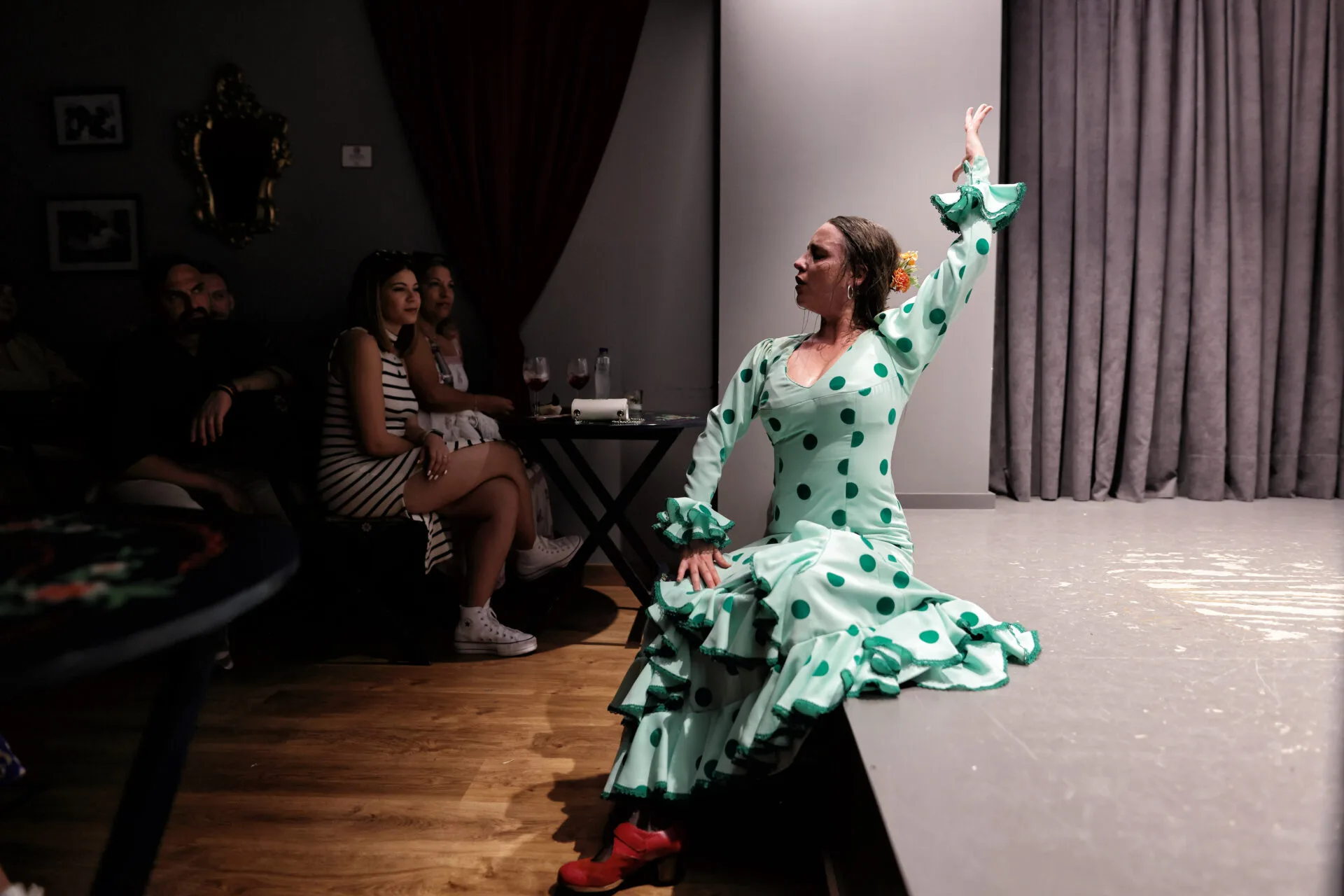
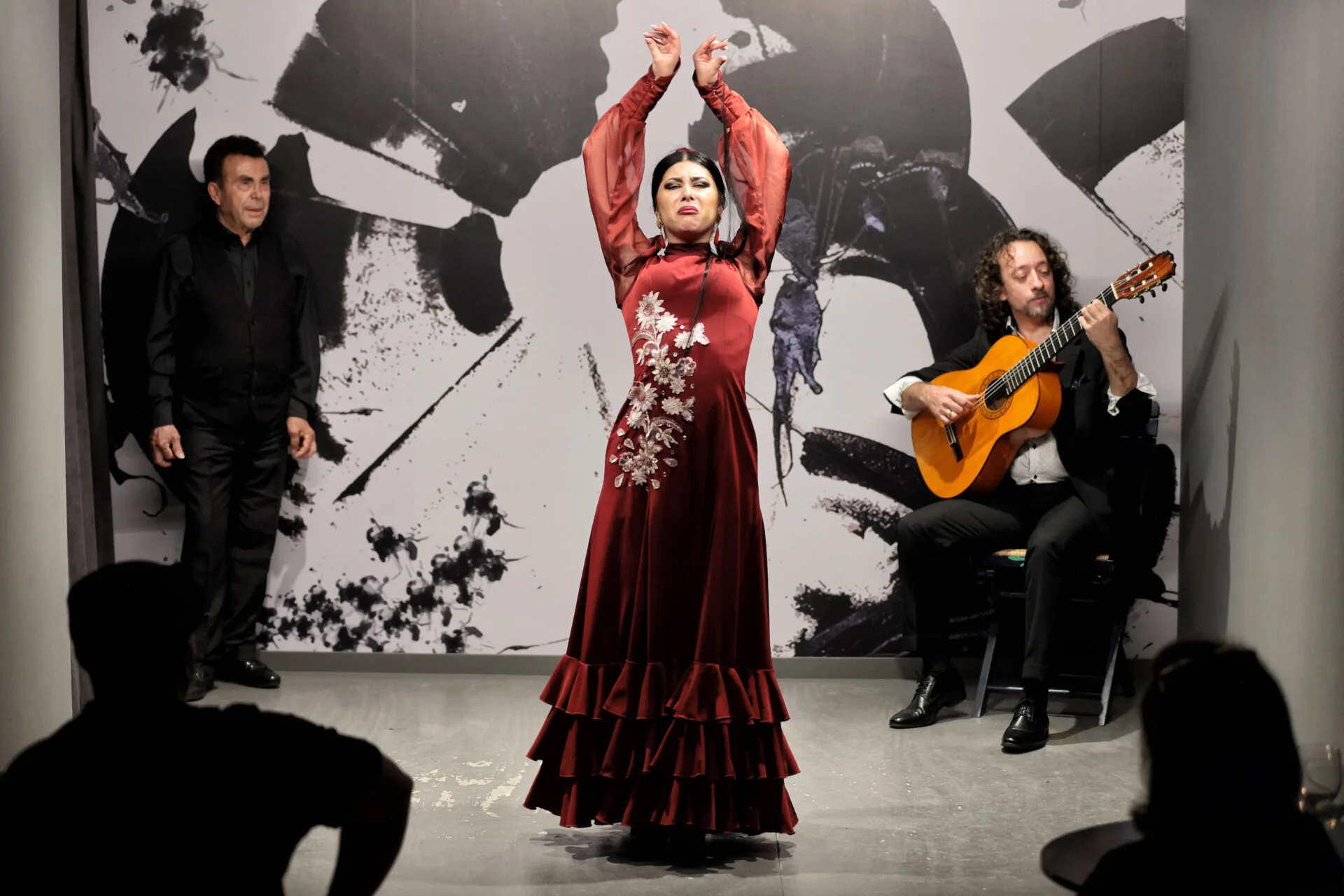
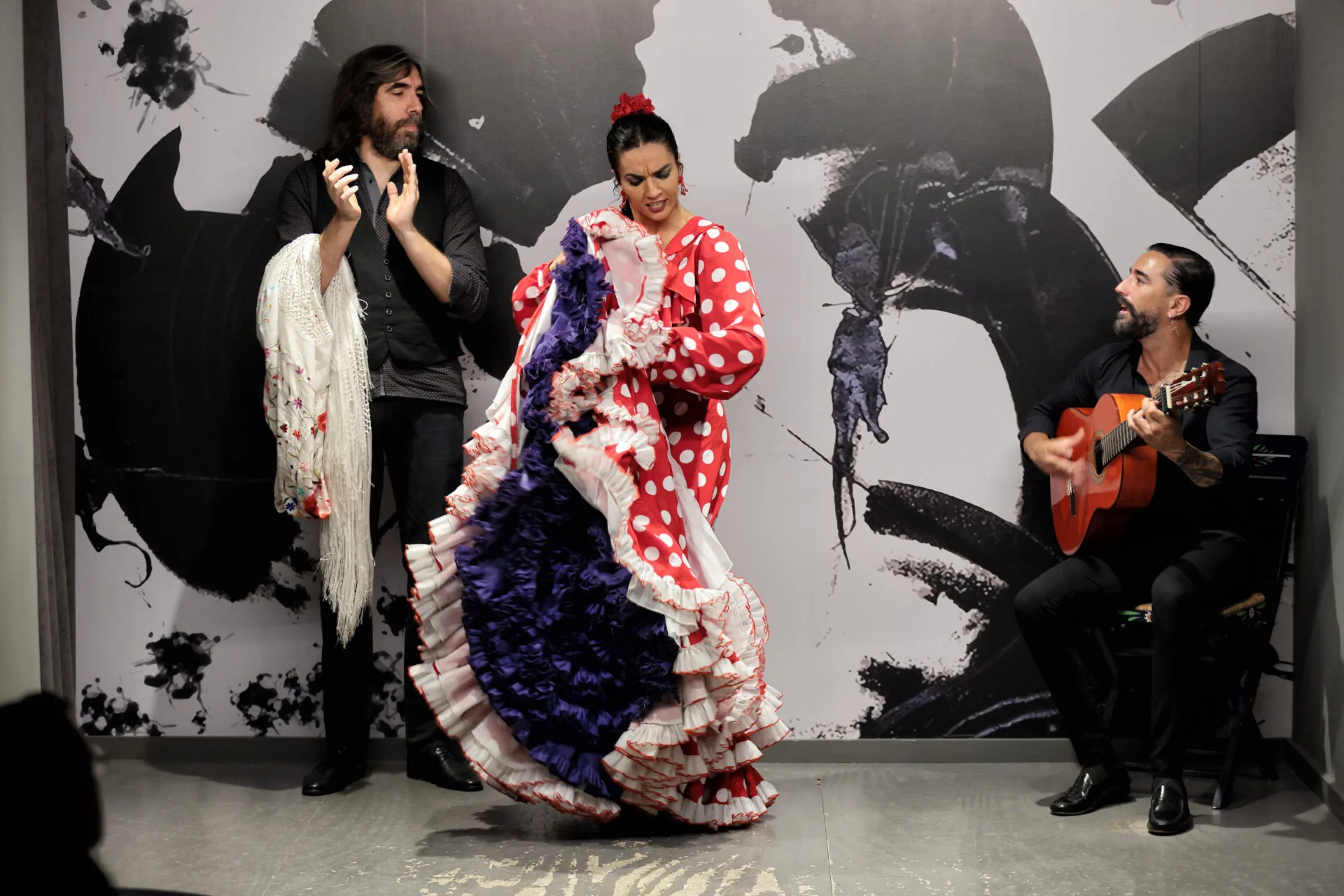
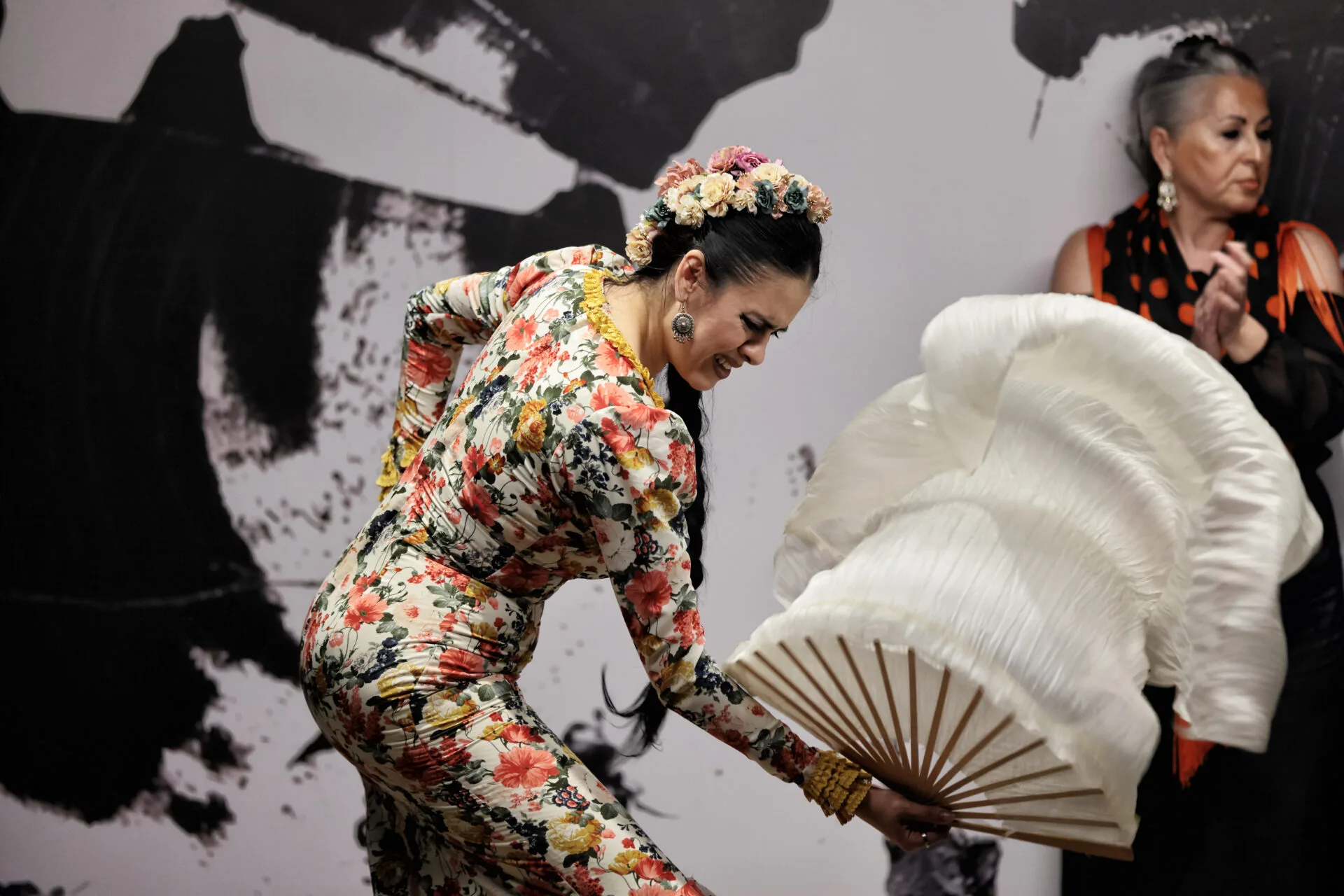
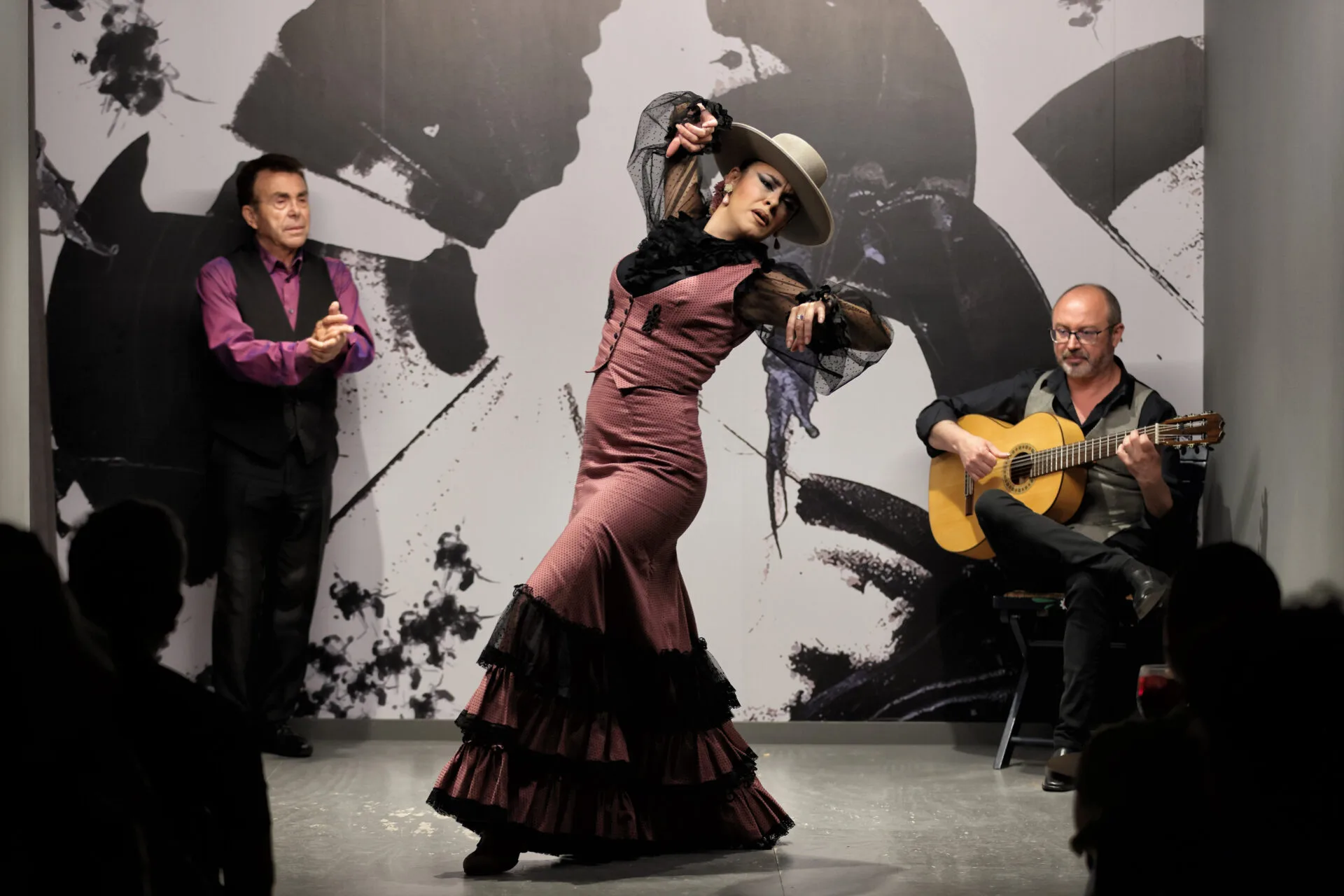
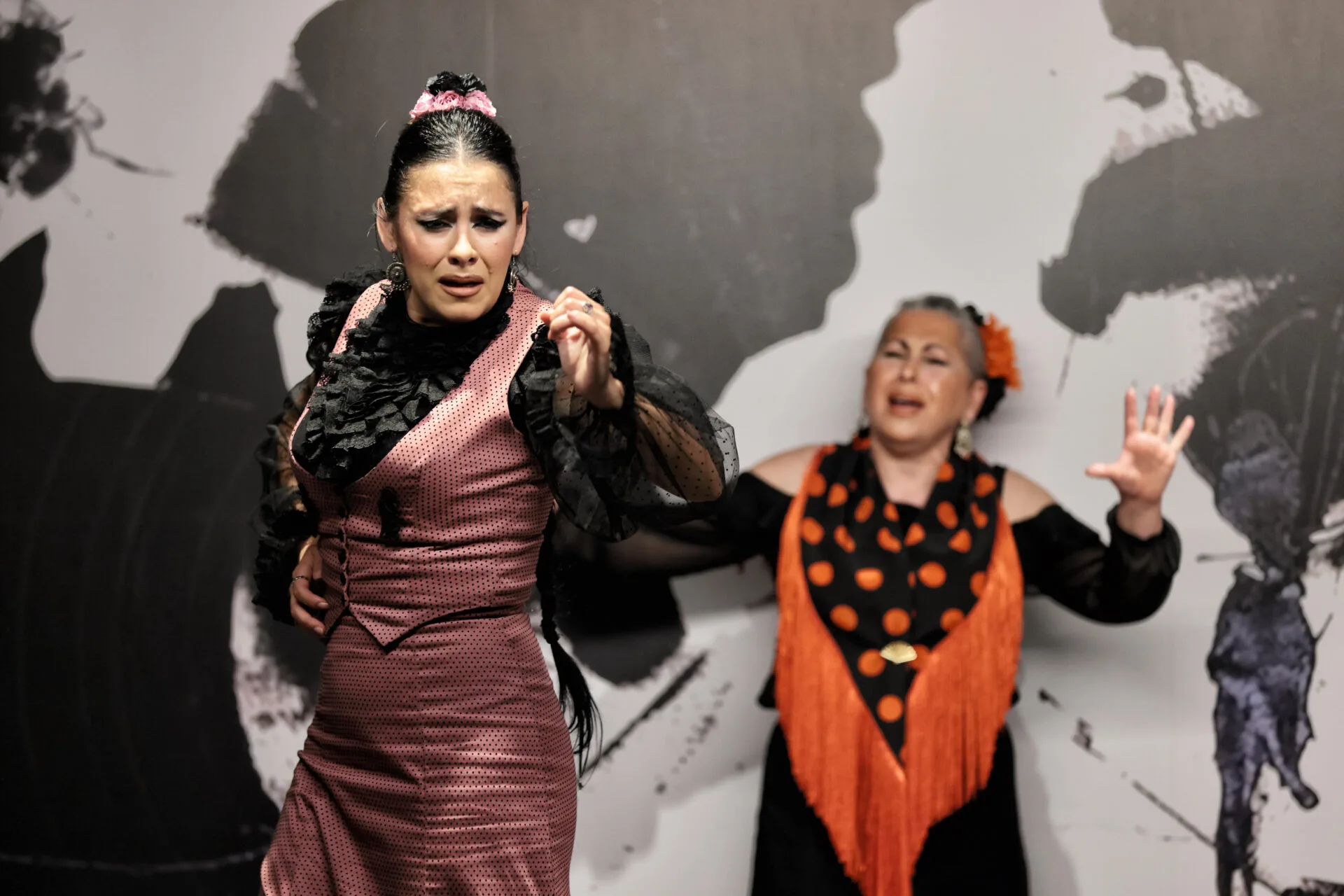
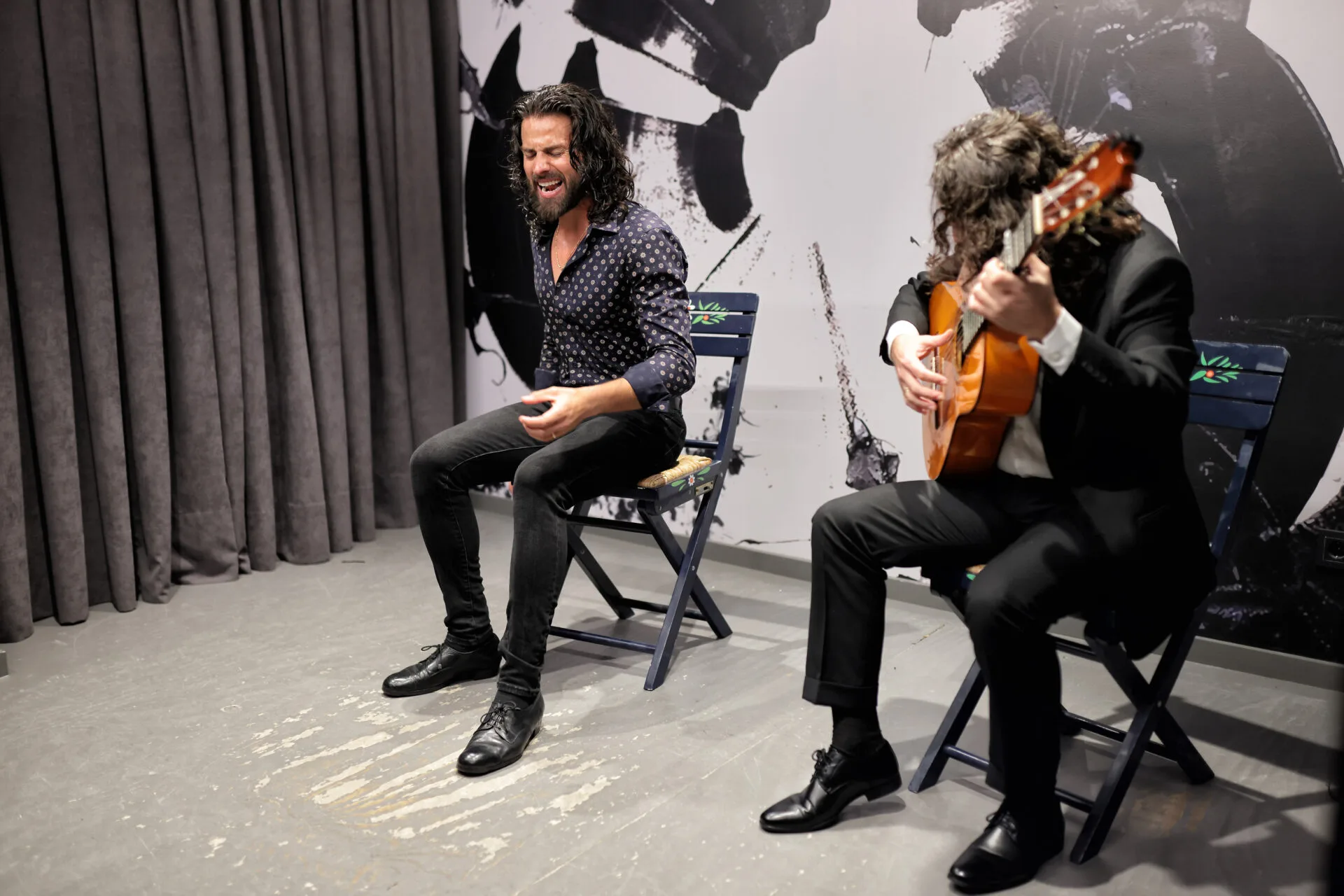
Its small size became one of its defining features. Municipal tourism documentation listed it with 32 seats and daily shows at 18:00 and 20:00. Inside, the artistic concept worked on a different scale: genuine proximity, acoustic performance and a direct relationship between stage and audience.

That closeness meant many shows did not feel like performances watched from a distance, but like shared experiences. And when the last show ended, another part of the centre’s life often began: the part that never appeared on any programme.

Centro Flamenco de Sevilla

A small venue with a lot of life around it

  • Founded: 2022.
  • Location: C/ Francos, 33, in the heart of the historic centre.
  • Capacity: 32 people, according to Seville’s tourism documentation.
  • Format: an intimate acoustic venue, with no need for amplification to sustain the experience.
  • Direction: founded and directed by Miguel Ortiz, responsible for the general and artistic direction.
  • Period: just over two years of activity, until its closure due to urban-planning issues affecting the premises.
  • Identity: the coexistence of established artists and promising young performers.

More than a tablao: the value of the venue lay not only in what happened during the hour-long show, but also in the professional and personal relationships woven before and after each performance.

Centro Flamenco de Sevilla

Quick answer: between 2022 and 2024, Centro Flamenco de Sevilla was a small-format tablao at C/ Francos 33 that combined intimate shows with an intense professional life around the venue. Its limited capacity, the acoustic nature of the performances, the mix of generations on stage and the conversations after the shows meant that artists and flamenco professionals also used it as a meeting place.

What could not be seen from the audience

The audience saw a 32-seat room and a stage just a few metres away. People working in the sector knew another dimension as well: artists arriving before their show, colleagues from other tablaos dropping by to say hello, musicians and dancers staying afterwards, conversations about repertoires, last-minute substitutions, tours, new projects and job opportunities.

In a city with such a broad flamenco offering, that informal space eventually became an essential part of the centre’s identity.

Centro Flamenco de Sevilla

A look back through memory, not nostalgia

Remembering Centro Flamenco de Sevilla is not about idealising a venue that no longer operates as it did then. What matters is observing what conditions made it possible for such a small venue to generate so much life around it: proximity, artistic continuity, a mix of generations, present-day direction, relationships between colleagues and a scale on which almost everyone eventually knew one another.

This article forms part of the recent memory of flamenco in Seville and draws on both public documentation and the direct experience of those involved in the project.

An intimate venue in the heart of Seville

Calle Francos is one of those streets in the historic centre used every day by residents, visitors and workers on their way to the Cathedral, the Alfalfa or Plaza del Salvador. There, at number 33, Centro Flamenco de Sevilla occupied a small space that required the show to be built around closeness.

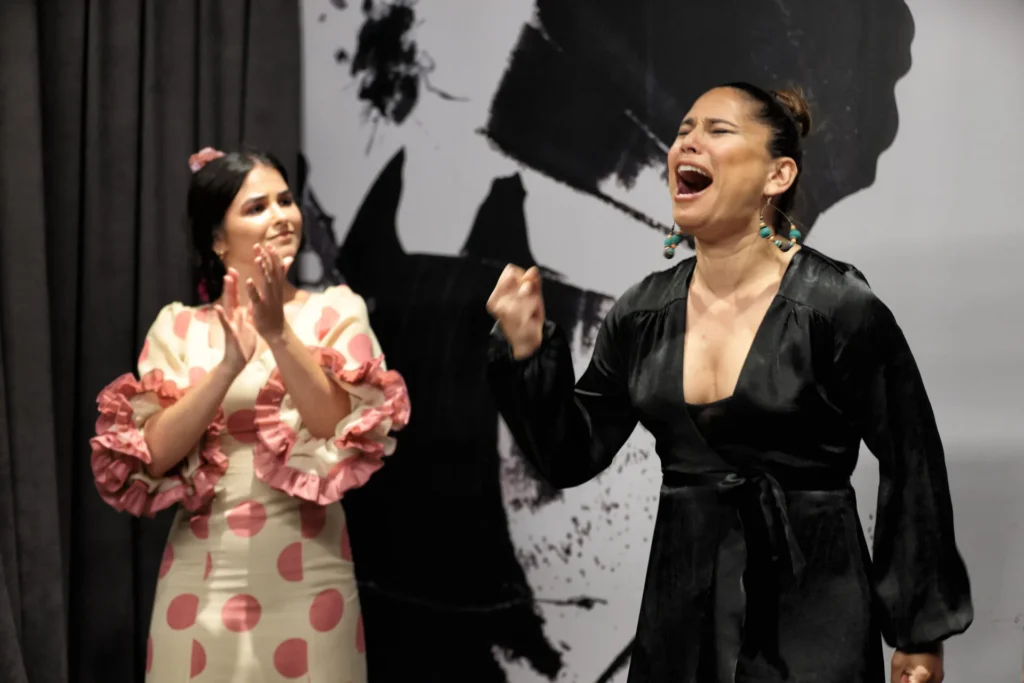
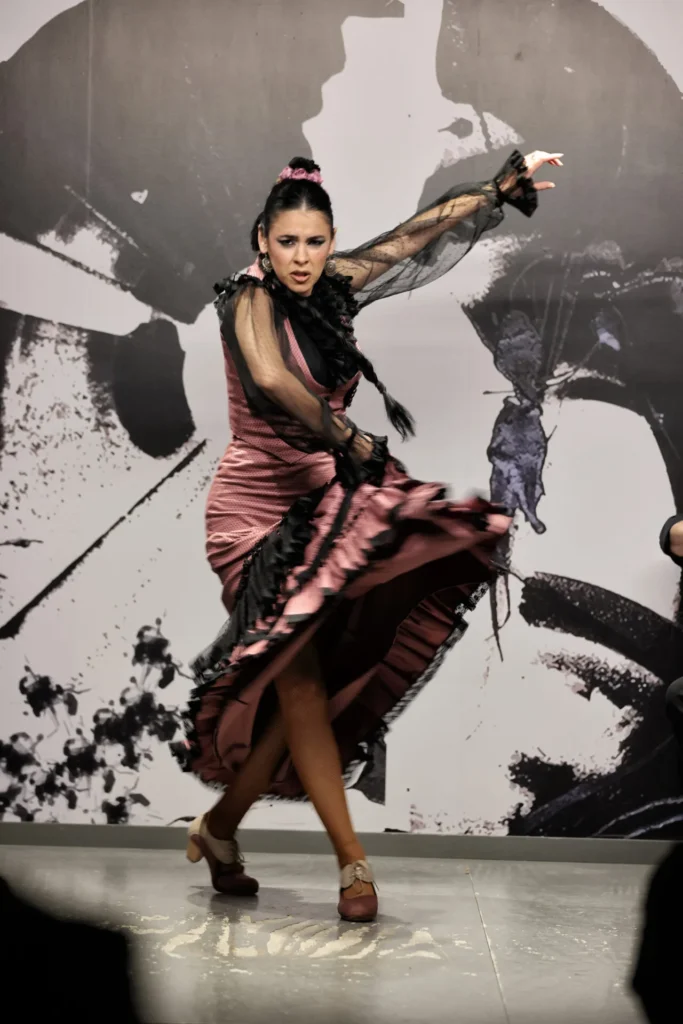
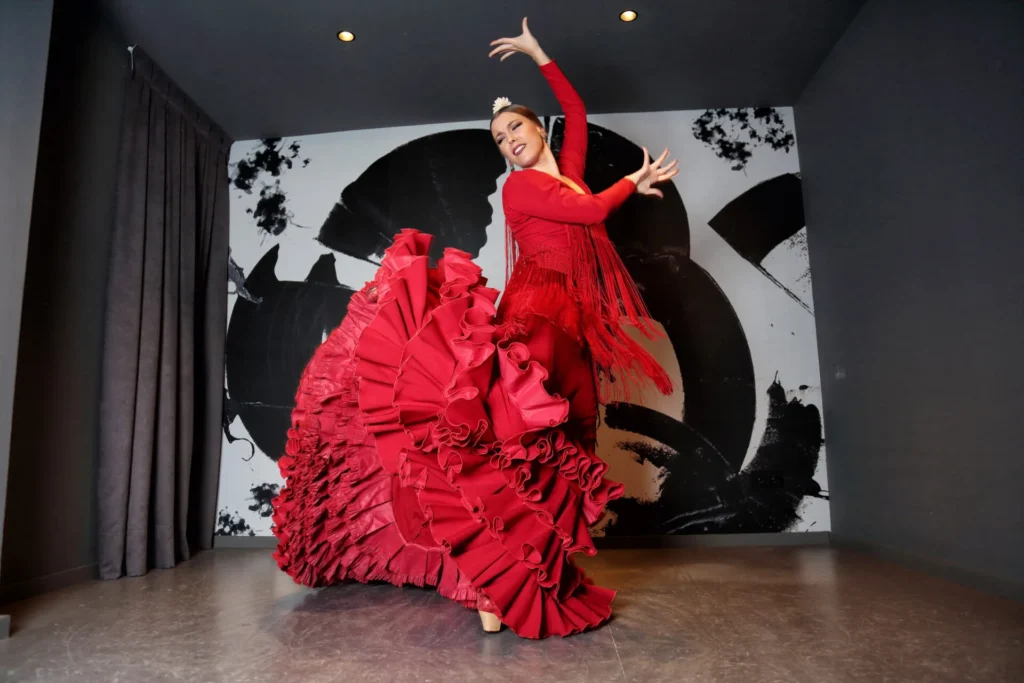
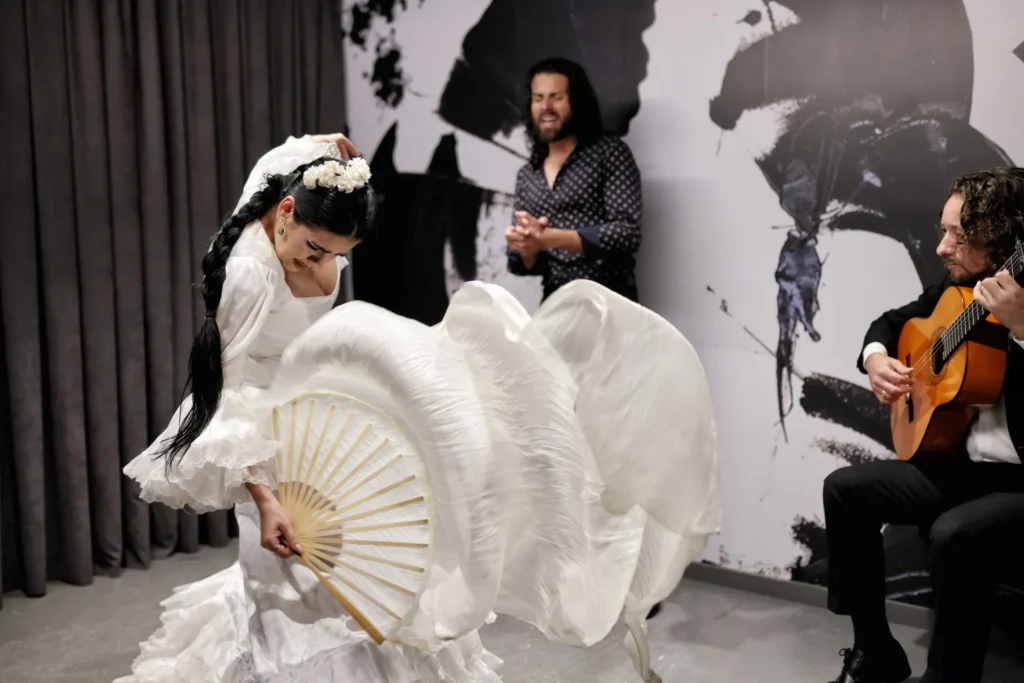
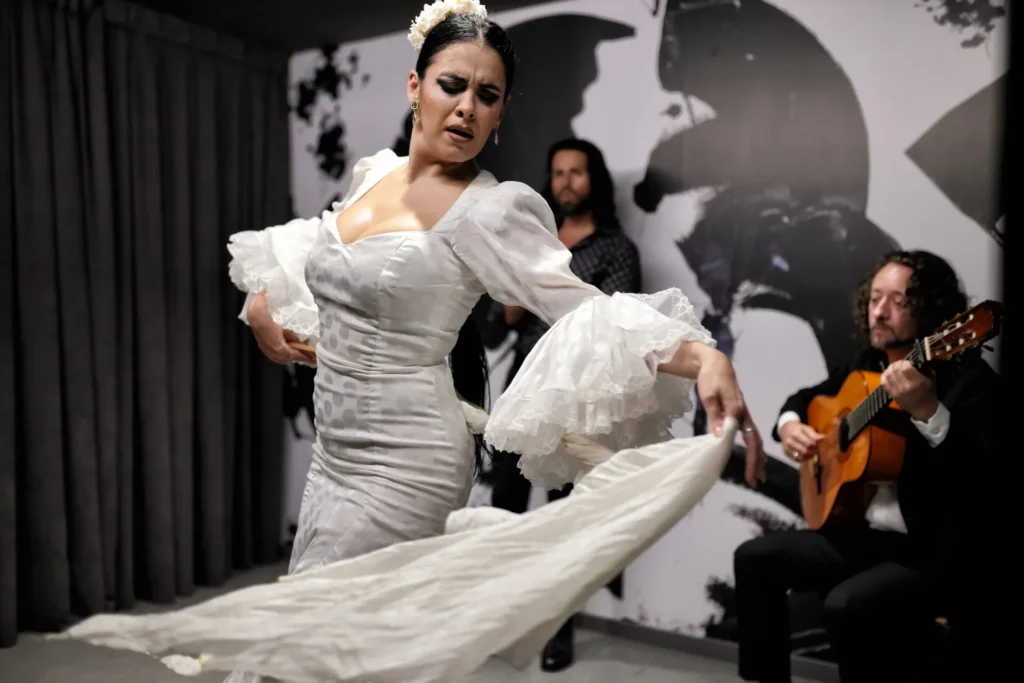
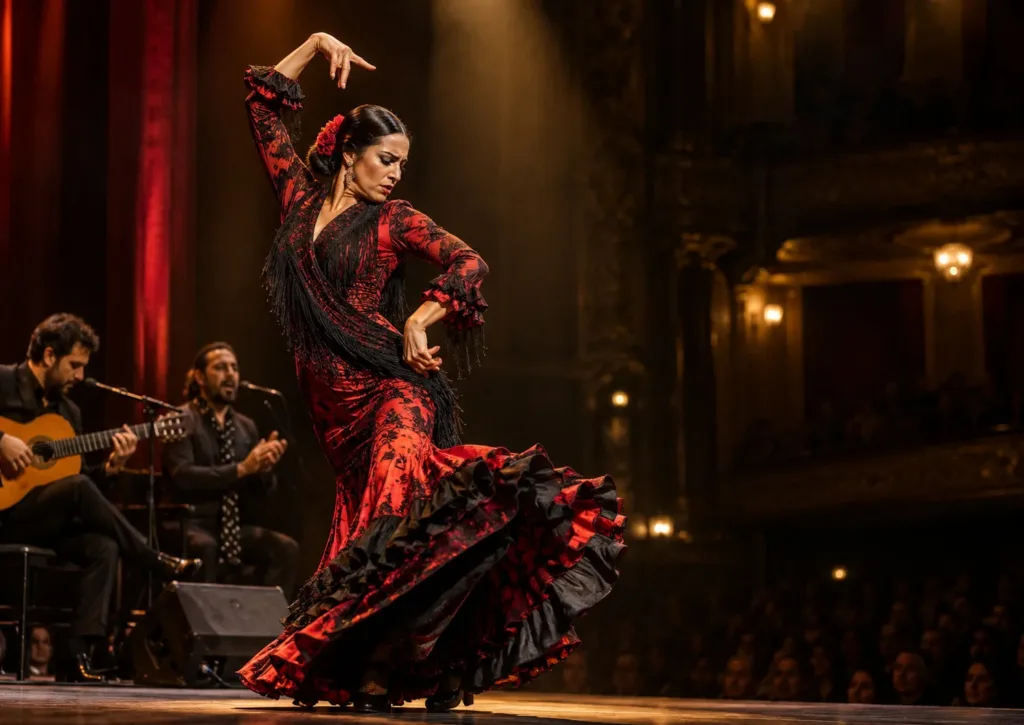
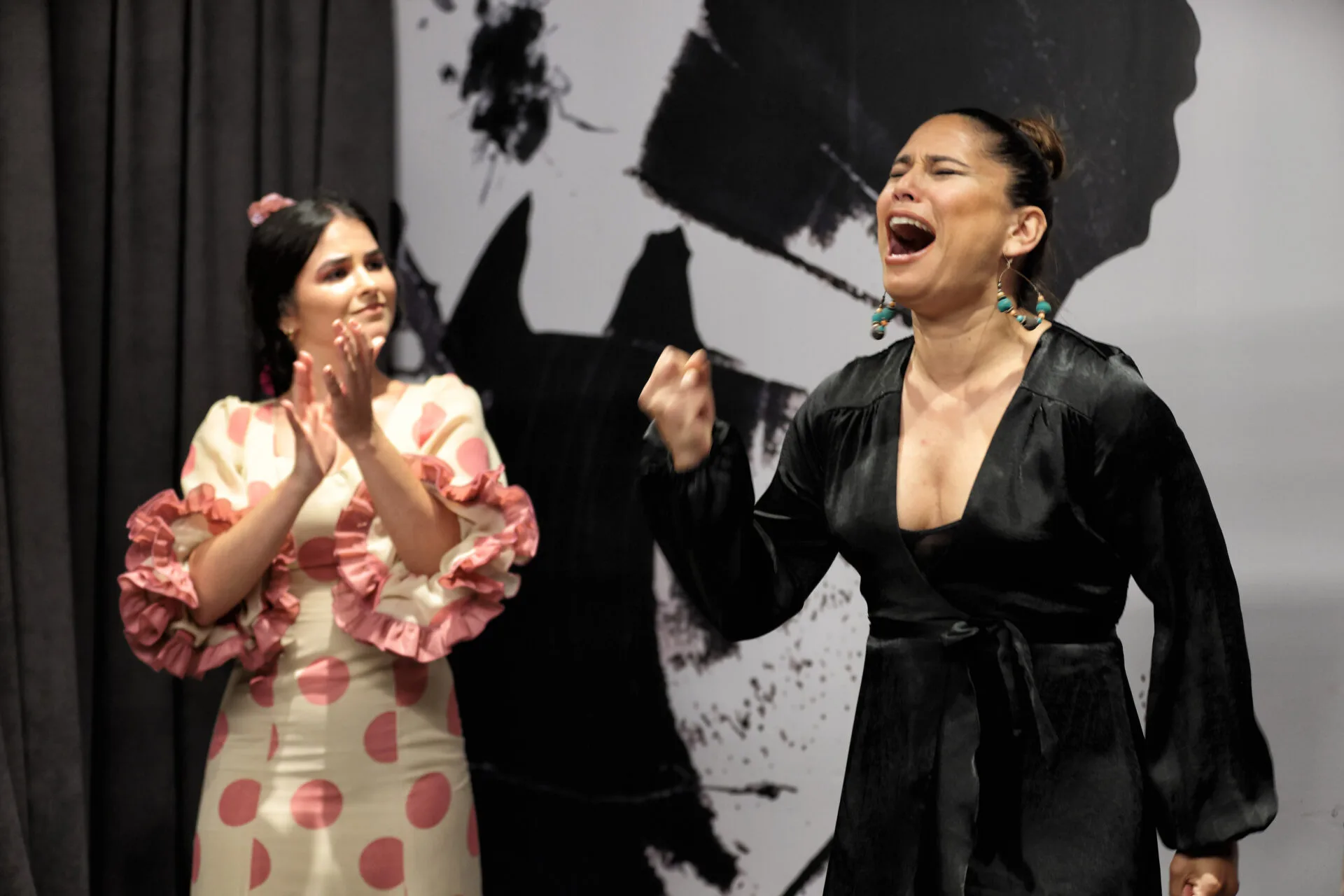
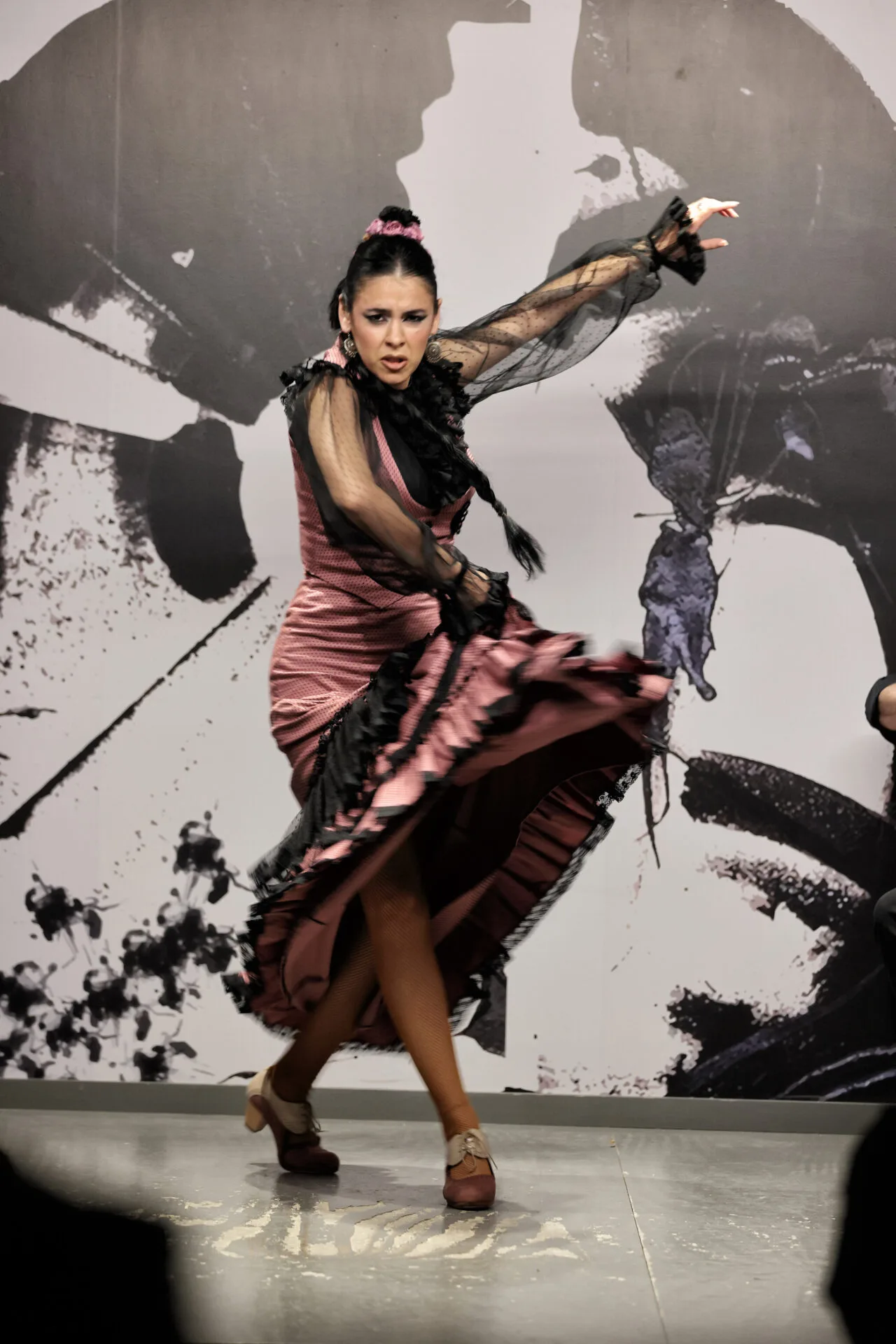
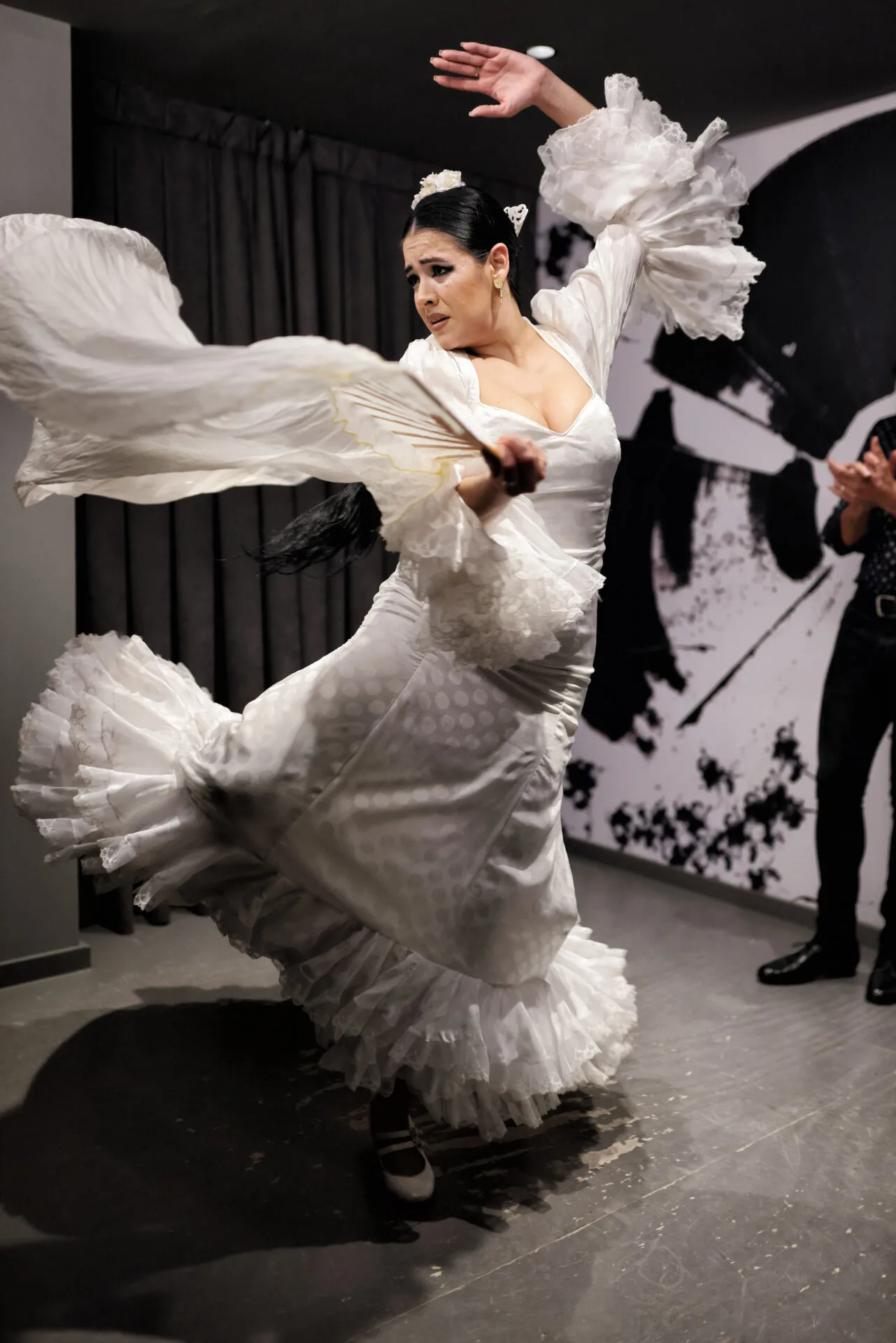
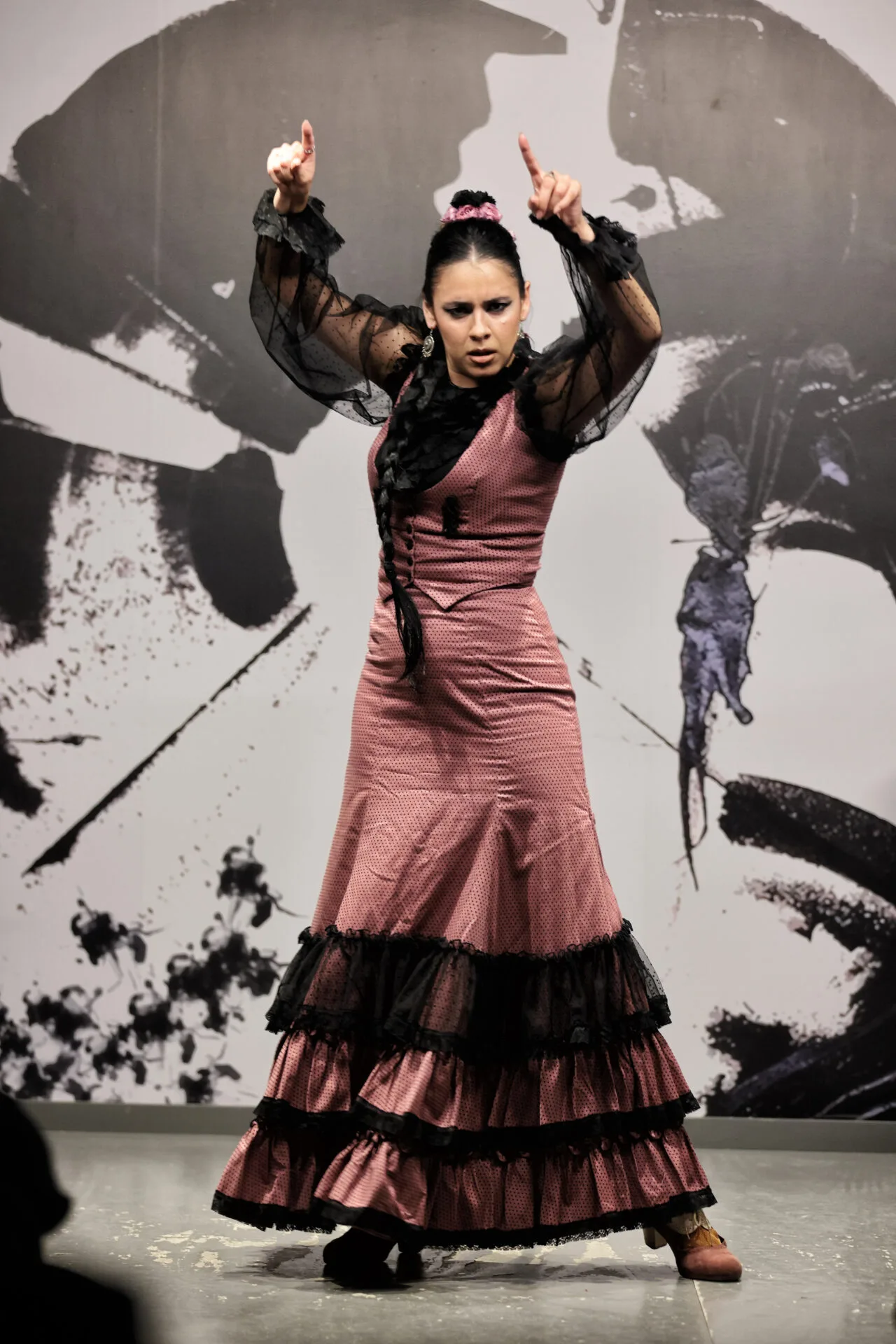
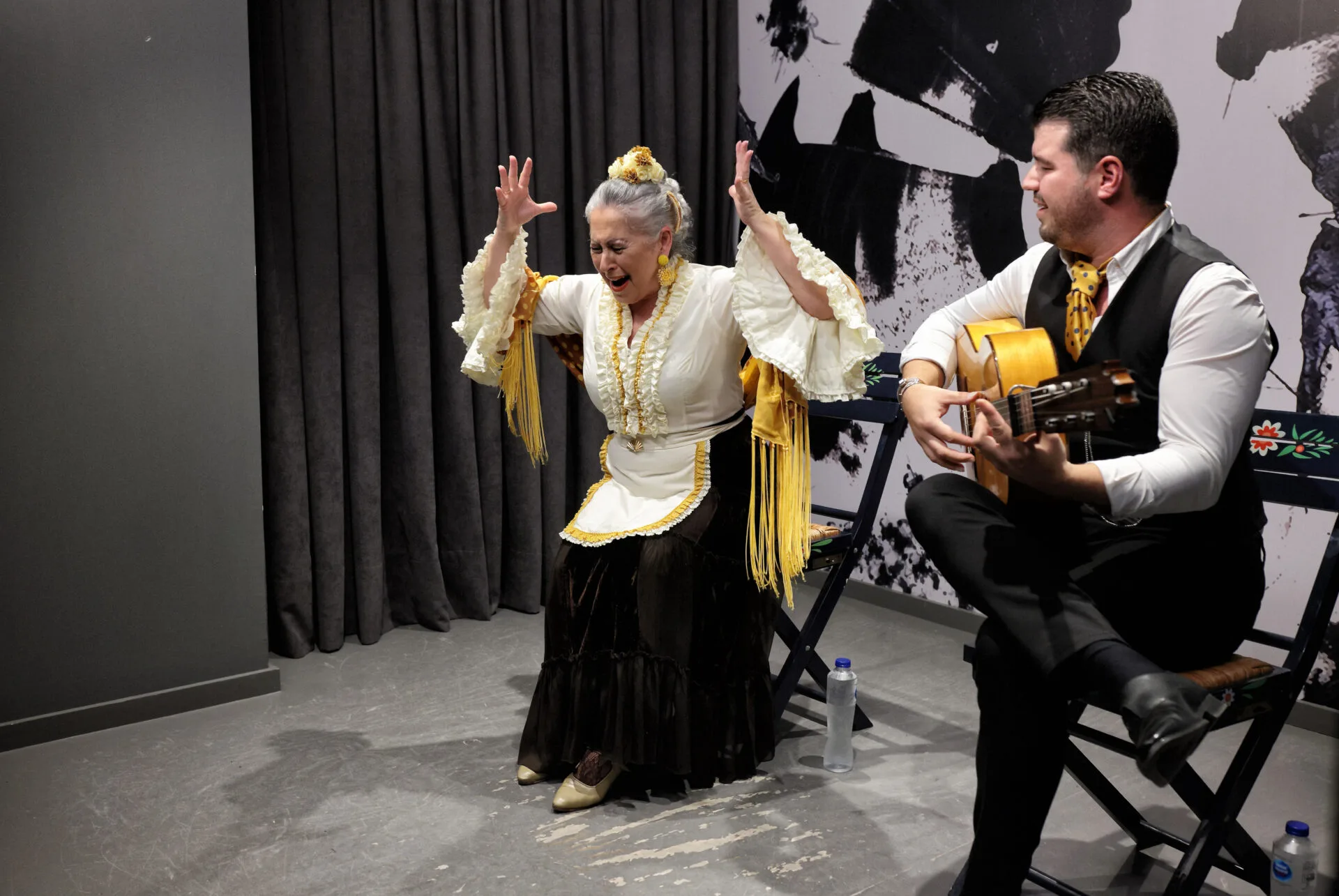
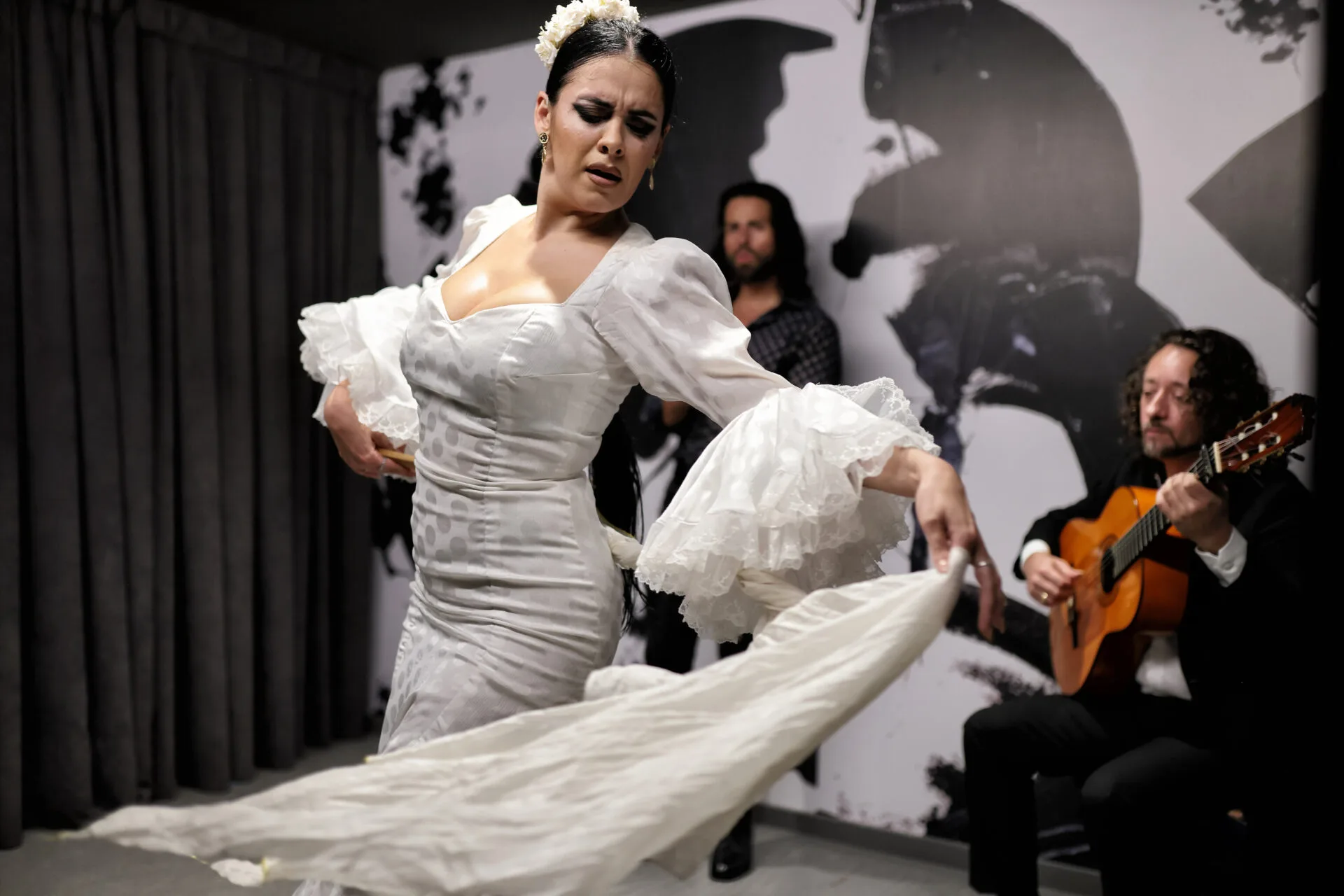
With just 32 seats, there was not enough distance to hide anything. The audience could hear the singer’s breathing, the attack of the guitar, the natural sound of the footwork and the small gestures that can disappear in a large theatre. The lack of a major physical barrier between performers and spectators reinforced the feeling of being inside the flamenco experience rather than simply watching it.

That format connected with one of the historic qualities of many flamenco venues: the intensity created by proximity. You can explore that context further in our article about Seville’s cafés cantantes.

Silence was also part of the show

A small room demands attention. The guitar does not need to compete with a large space, the singing can work with subtleties, and the dance is perceived not only as an image but as sound and physical presence.

The acoustic approach encouraged that kind of listening. Rather than turning the show into a distant production, each performance was designed to preserve the tension of a close encounter. That also changed the audience’s behaviour: the nearer the artist was, the clearer it became that silence, listening and the room’s response were part of the performance.

The venue’s small scale was not a limitation to disguise. It was precisely the mechanism that defined the experience.

Veterans and young artists sharing the stage

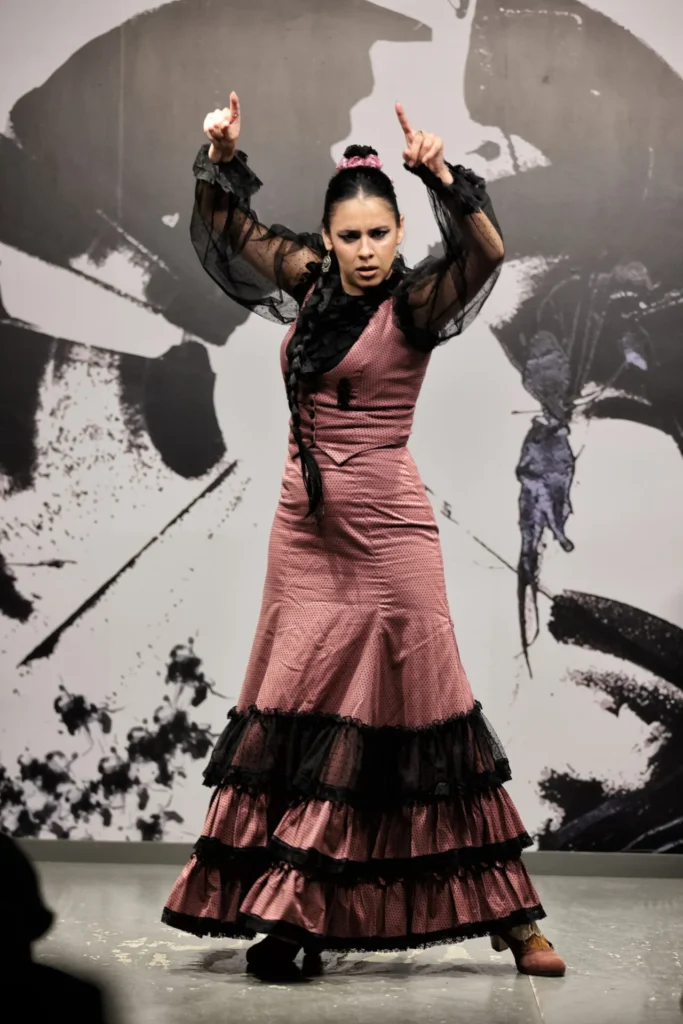
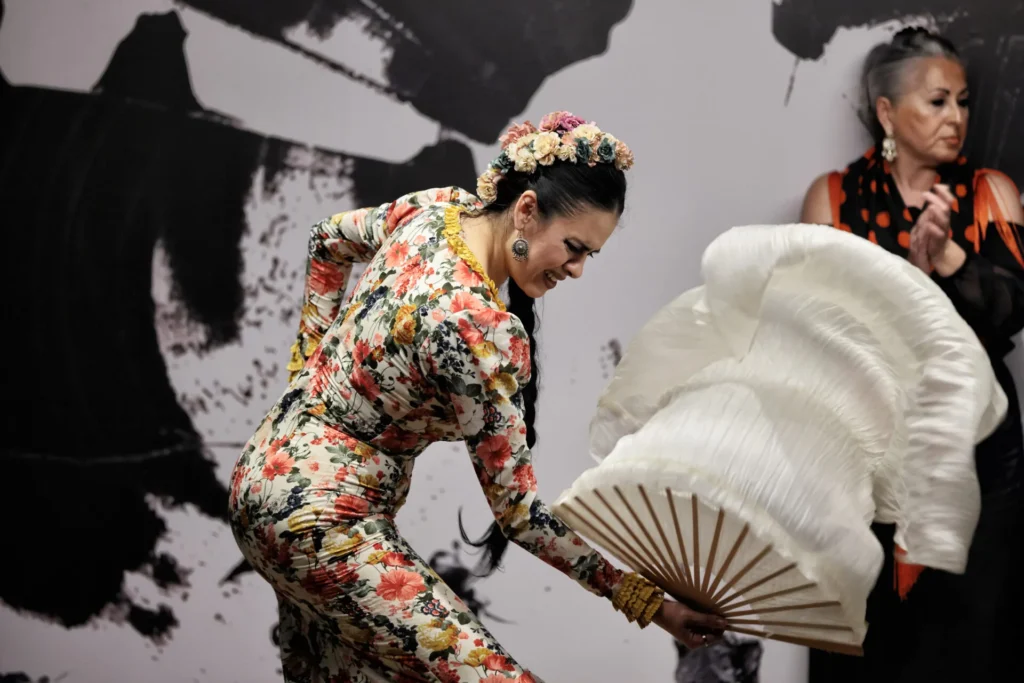
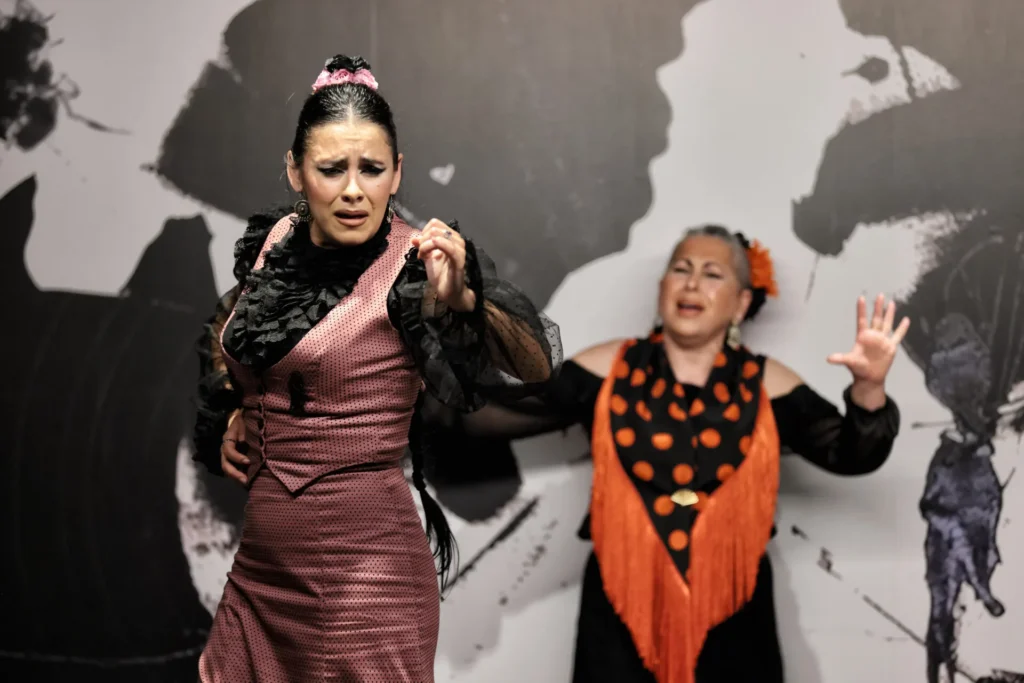
One of the principles that defined the artistic direction of Centro Flamenco de Sevilla was the coexistence of performers with established careers and young artists beginning to carve out a professional space for themselves.

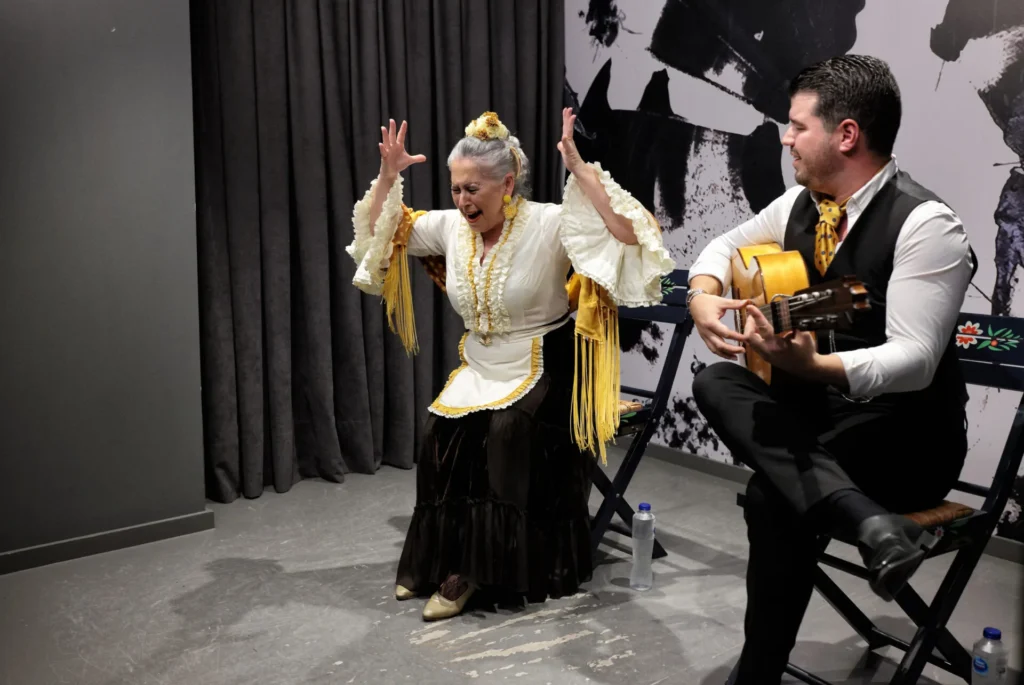
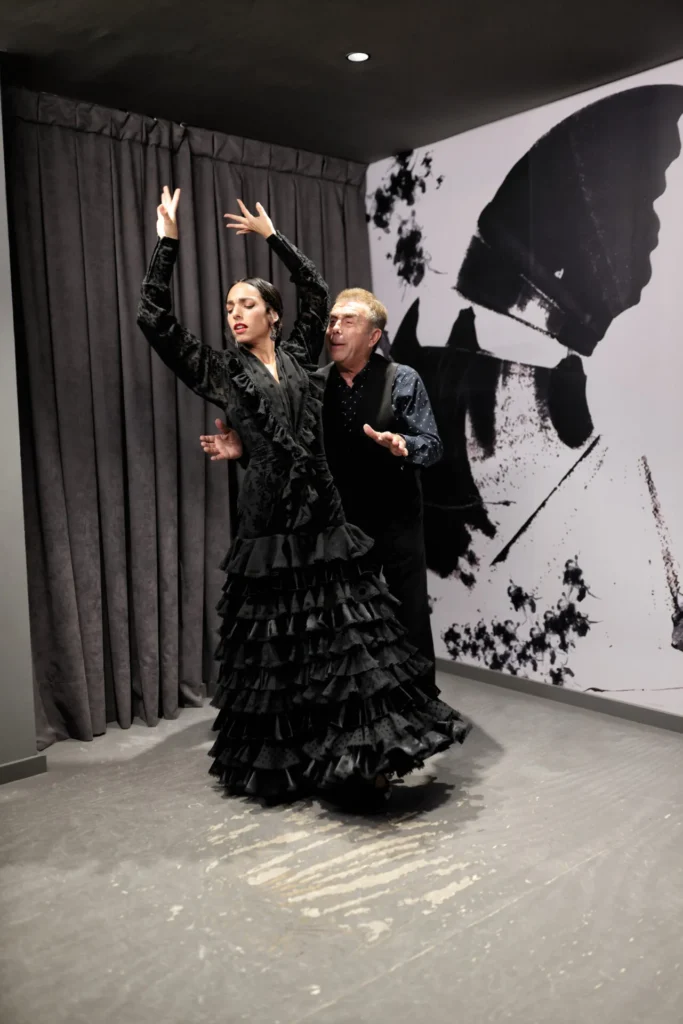
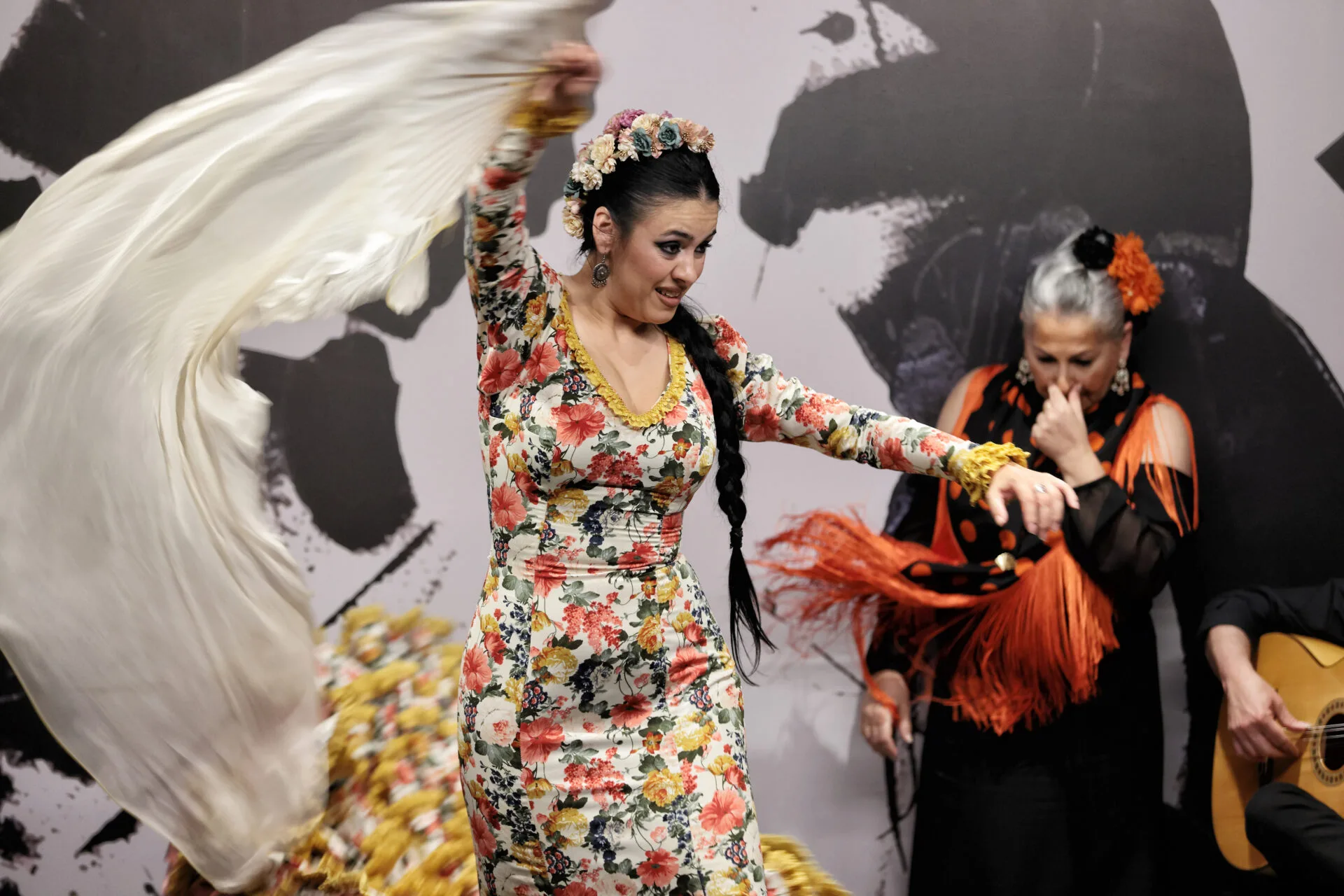
Youth was not treated as a separate or secondary programme. Emerging performers could share the stage, dressing room and working dynamics with more experienced artists. That coexistence had value beyond the poster: it allowed them to observe timing, codes, stage resources and ways of relating to singing, guitar and dance that are difficult to learn in a class alone.
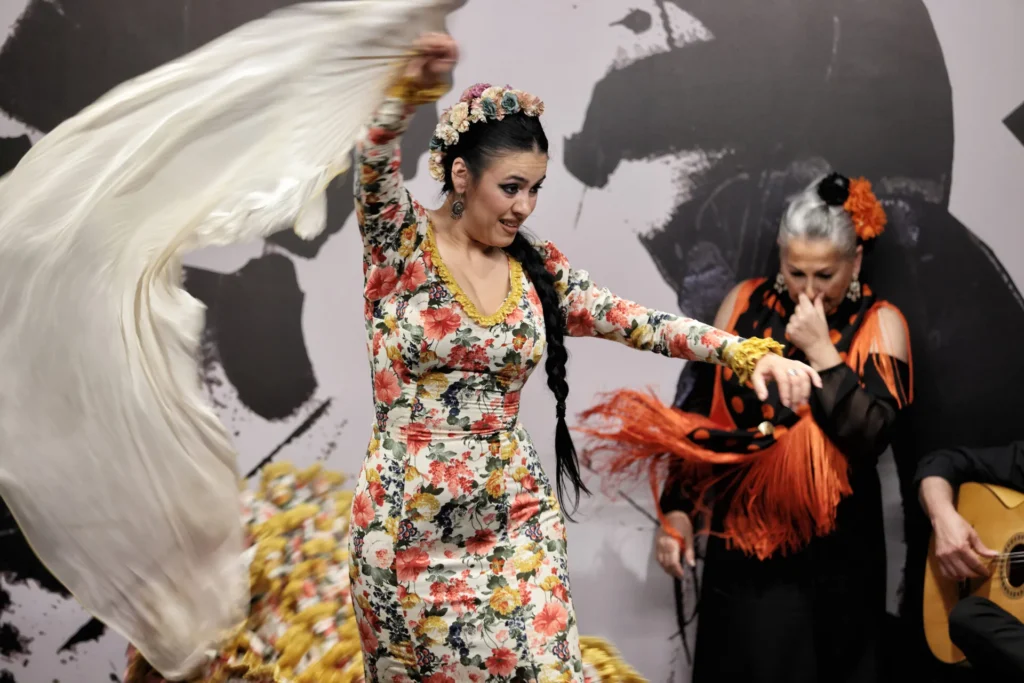
For some young artists, working regularly in a professional venue also meant taking on real responsibilities: arriving prepared, adapting to different colleagues, maintaining an artistic standard every day and understanding that a tablao lives through the combination of spontaneity and discipline.
The tablao as a space for transmission

Flamenco is passed on in many ways. There is formal teaching, academies, conservatories, families, peñas and festivals. But the tablao preserves another form of learning: practical transmission between colleagues.

A singer learns to read a dancer’s body. The guitarist understands when to support and when to open space. The dancer learns to listen before entering. And young artists discover that each colleague demands a different response.

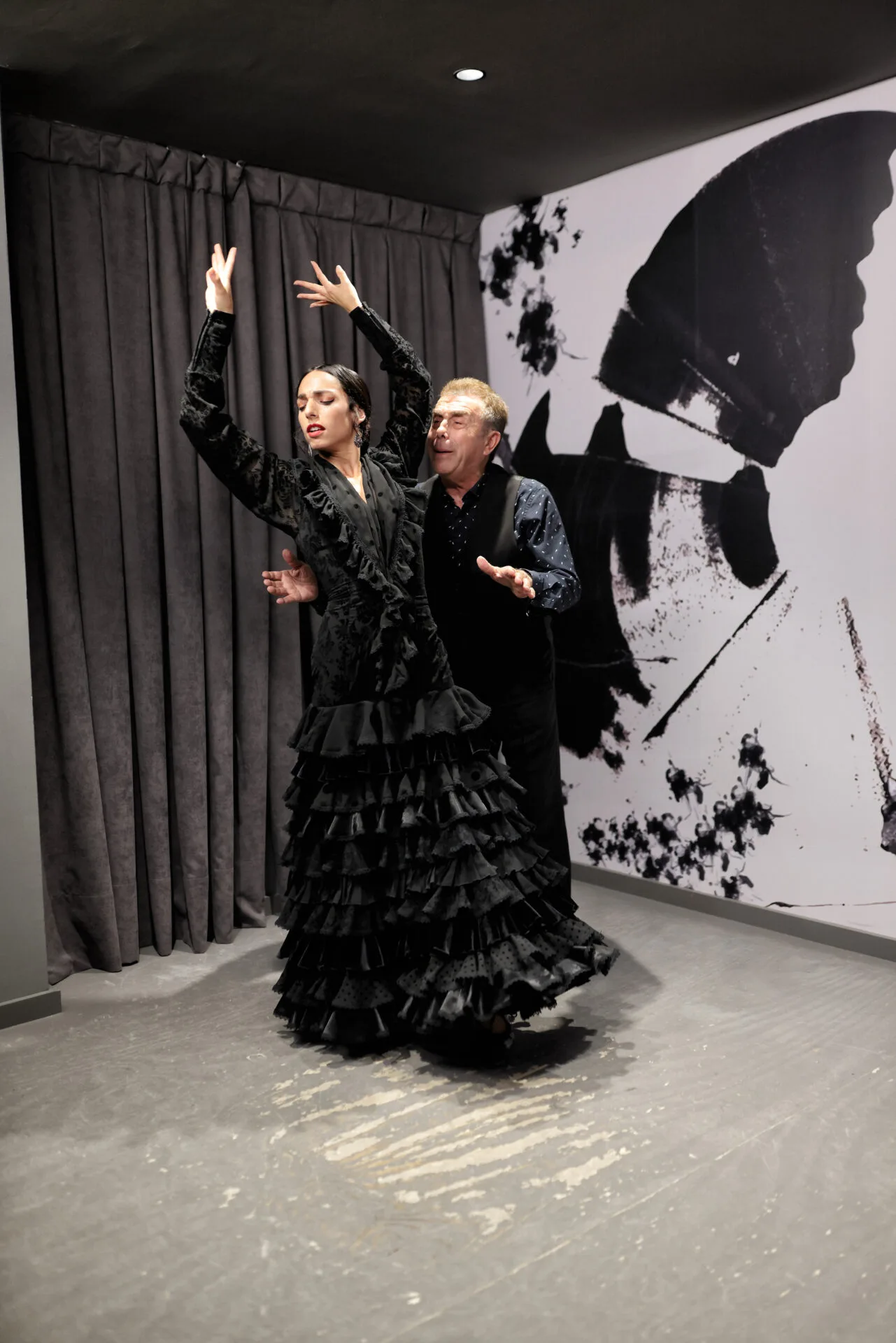
At Centro Flamenco de Sevilla, that transmission was particularly visible because the scale of the room meant everything happened close together: stage, dressing room, waiting and conversation were all part of the same environment.

When the show ended, another part of the night began

The image that best explains why the centre became a meeting point does not necessarily come from a performance. Very often, it appears after the last show.

With the audience gone and commercial activity over, it was not unusual for artists from the cast, colleagues who had performed at other tablaos, friends and industry professionals to stay and talk. Those conversations could continue well into the early hours.

Nothing was scheduled for those hours. It was neither an event nor an advertised activity. That was precisely what gave it value: it was an organic relationship between people who shared a profession, concerns and a life around flamenco.

The conversations that never appeared on the programme

A tablao can close its doors to the public and still remain full of flamenco. Sometimes the most important part of the night began when there were no more tickets left to sell.

Those conversations covered artists, repertoires, who was working where, tours, new venues, projects that did not yet exist and the everyday problems of the profession. Sometimes it was simply about spending time together.

That human component explains better than any figure why a 32-seat venue could have a relational influence far greater than its capacity.

A meeting point for flamenco artists and professionals

Seville has numerous venues, schools, peñas, tablaos, theatres and festivals. Yet not all of them generate the same type of relationship among the people who work in them.

Centro Flamenco de Sevilla eventually welcomed more than its own artists and audience. Colleagues from other tablaos also stopped by, as did professionals connected with production and ticket sales, visiting artists and people working around the city’s flamenco activity.

Its central location helped. But the decisive factor was how easy it was for someone to come in, stay for a while, see colleagues and end up joining a conversation that had never been planned.

A professional network built on a small scale

Cultural sectors also operate through informal networks. A last-minute substitution, a recommendation, a collaboration or an opportunity can arise from an apparently trivial conversation.

During its active years, Centro Flamenco de Sevilla functioned as one of those nodes: a space where artistic and professional relationships constantly overlapped.

To understand how the city’s flamenco offering is structured today, this historical perspective can be combined with our guide to how to choose an authentic flamenco show in Seville.

Centro Flamenco de Sevilla

The invisible side: management, bookings and digitalisation

The centre’s artistic life existed alongside another side that was less visible to the public: highly digitalised management. The direction worked with online sales and booking systems, channel control and coordination between direct and partner sales.

The aim was for a small venue to operate with a commercial structure more advanced than its size might suggest. Direct sales, partners, availability and management had to communicate with each other to prevent overbooking and reduce manual work.

That approach did not replace artistic direction. On the contrary, it was intended to free up operational time so that more attention could be given to the cast, the quality of the shows and the relationship with the audience.

A model that continued beyond the venue

Some of those digitalisation and organisational practices were later transferred to other flamenco-related projects in Seville. The venue ended its activity, but some of the methods developed during those years continued to circulate.

This legacy is less visible than a photograph of the stage, but it helps explain why Centro Flamenco de Sevilla was also a small management laboratory: artistic tradition on stage and operational modernisation behind the scenes.

The history of flamenco is not built only from styles, artists and shows. It also changes through the way venues organise, sell, communicate and create conditions in which artists can work.

Timeline of Centro Flamenco de Sevilla

Period What happened Why it matters
2022 Centro Flamenco de Sevilla opens at C/ Francos 33. A small-format tablao is born in the heart of the historic centre.
2022–2023 A daily programme based on flamenco singing, dance and guitar becomes established, with artists from different generations. The venue develops its acoustic, intimate and close-up identity.
2023 The regular presence of artists, visitors and professionals turns the venue into a habitual meeting place. The activity around the stage becomes as important as the show itself.
2023–2024 Digital management of bookings, direct sales and partner channels becomes firmly established. The centre combines a small artistic format with advanced commercial management.
2024 The project’s period at C/ Francos ends because of urban-planning issues related to the premises. The closure ends the activity in the space, but not the relationships or methods that grew around it.
Afterwards Part of the artistic, commercial and digital experience is transferred to other projects in the sector. The legacy continues beyond the walls of the venue.

What it meant for Seville’s flamenco scene

It would be insufficient to measure the value of a cultural venue only by its size or by the number of years it was active. In the case of Centro Flamenco de Sevilla, the key lies precisely in the contrast between the two: a very small venue with a substantial human network around it.

It was a professional stage, a place for practical learning, a stopping point for colleagues and a space for spending time together. For just over two years, it brought together people who were normally spread across different tablaos, theatres, schools and projects.

Spaces of this kind perform a role that is difficult to capture in statistics. They build trust, facilitate encounters and create shared memory.

What remained after the closure

The closure due to urban-planning issues ended the centre’s physical phase, but it did not erase the relationships that had been created. Many of those who met there continued to encounter one another in other venues and projects. The experience of artistic direction, sales and management also continued to be applied outside the premises.

And above all, one simple idea remained: a tablao can be much more than the place where a show is performed. When continuity, proximity and a professional community exist, it can become a small centre of gravity for part of a city’s flamenco life.

To place this story in a broader context, see also what flamenco is and its fundamental elements.

Frequently asked questions about Centro Flamenco de Sevilla

A summary of the main facts from this period of the tablao and its role within Seville’s flamenco scene.

Centro Flamenco de Sevilla began operating in 2022 at C/ Francos 33, in Seville’s historic centre.

Official Seville tourism documentation listed a capacity of 32 people, a size that defined the intimate nature of the experience.

The project was founded and directed by Miguel Ortiz, who was responsible for its general and artistic direction during its active years.

The format was based on flamenco singing, dance and guitar in a small-capacity venue, with performances very close to the audience and an acoustic approach that encouraged natural listening.

In addition to its own artists, colleagues from other tablaos and professionals from the sector regularly stopped by. After the last show, it was common to have conversations and informal gatherings that could continue into the early hours.

Why could such a small venue have so much life?

  • Artists and audience were physically very close.
  • There was daily continuity of activity.
  • Performers from different generations shared the stage.
  • The direction was involved in both the artistic side and day-to-day management.
  • Professionals from other venues frequently stopped by the centre.
  • The end of the show did not necessarily mean the end of the encounter.


The essential idea: Centro Flamenco de Sevilla was small in capacity, but during its active years it functioned as a venue with an artistic and professional life far larger than its 32 seats.

A recent memory of flamenco in Seville

Centro Flamenco de Sevilla belongs to a recent period, but one intense enough to leave very specific memories: the stage only a few metres from the front row, artists waiting their turn, conversations after the show, colleagues coming in after working at other venues and nights extending far beyond ticket-selling hours.

Not every place that programmes flamenco becomes a meeting place. For that to happen, time, trust, continuity and a community that feels the space is its own are required.

For just over two years, that was what happened at C/ Francos 33.

Sources and project memory

The existence, location, schedules and capacity of Centro Flamenco de Sevilla are documented in official Seville tourism materials published during its active years. You can consult the official Flamenco in Seville brochure.

The reconstruction of the venue’s internal life, its acoustic operation, the conversations after the shows, the coexistence of generations and the project’s management also draws on internal documentation and the direct memory of its management.

Last updated: 4 September 2026.

Book online: the key to securing your seat

In many cities, flamenco tablaos sell out easily, especially on weekends and during peak season. That’s why, if your dates are set, the most important thing is to book online.

Direct recommendation: book online through our website to guarantee your seat and arrive with everything confirmed. If you already have your destination, go straight to your city to see available options and clear recommendations.

Flamenco Sevilla | Tablaos Flamencos

Seville

Flamenco Madrid | Tablaos Flamencos

Madrid

Flamenco Barcelona | Tablaos Flamencos

Barcelona

Flamenco Granada | Tablaos Flamencos

Granada

Flamenco Córdoba | Tablaos Flamencos

Cordoba

Flamenco Málaga | Tablaos Flamencos

Malaga

Flamenco Valencia | Tablaos Flamencos

Valencia

Flamenco Jerez | Tablaos Flamencos

Jerez

Find out more about this with your favorite AI:

Did you like this article? Share it!:

Tags: Centro Flamenco de Sevilla, flamenco en Sevilla, history of flamenco, sevilla, tablao flamenco Sevilla, tablaos de Sevilla

Article published by:

Related articles

Tablao Flamenco La Puerta Ancha: flamenco in Ayamonte by the Portuguese border