Flamenco Biennial

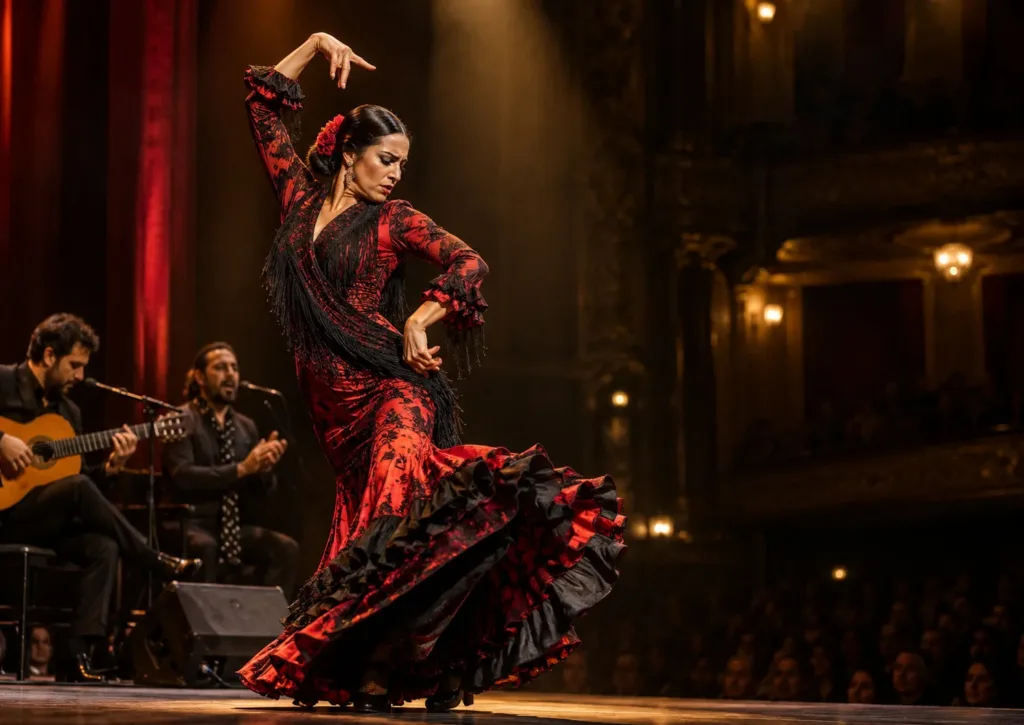
The Major Premieres of the 2026 Seville Flamenco Biennial

The Major Premieres of the 2026 Seville Flamenco Biennial

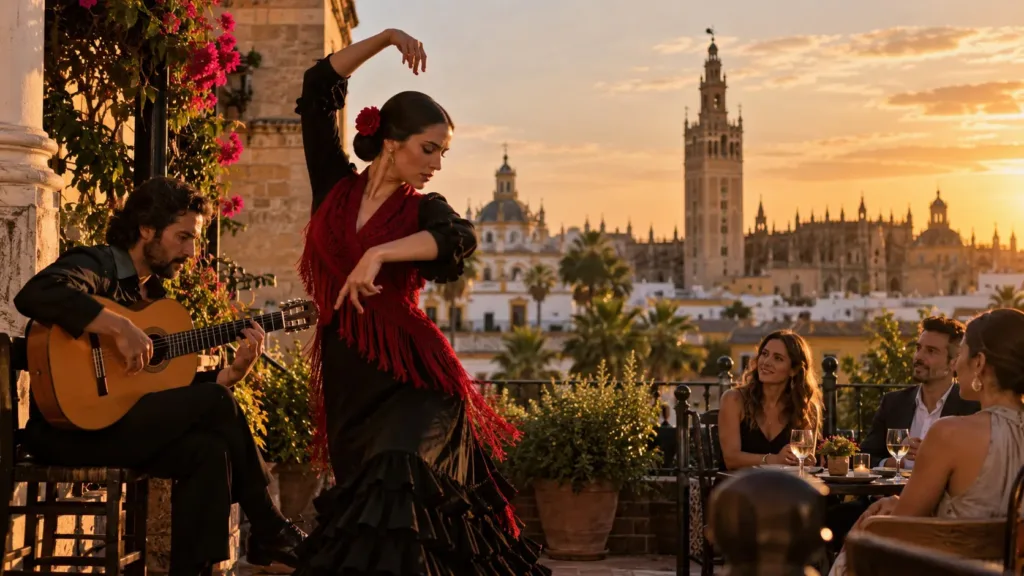
The XXIV Seville Flamenco Biennial, which will be held on September 9 to October 3, 2026, once again turns the city into a great laboratory of creation. Beyond bringing together established figures, one of the hallmarks of the Biennial is to serve as a starting point for works that are born in Seville and that can later tour festivals and theaters around the world.

The number of premieres has been changing as the programming closed. In February, during the initial presentation, the organization spoke of 22 world premieres. On August 18, it published a specific update that placed the balance at 20 world premieres. And the current programming introduces an important nuance: Babel. Torre viva., by David Coria, now appears as Spanish premiere, while the family workshop Tirititrán, within the parallel activities of CaixaForum, appears as world premiere.

Therefore, for this guide we take as reference the classification that currently appears in the official sheets: 20 world premieres if the general stage programming and Tirititrán, plus the Spanish premiere of David Coria.

Last updated: September 1, 2026. Official listings, times and availability may still change, so check the official programme before purchasing tickets.

Quick answer: the major premieres of the 2026 Flamenco Biennial begin on the opening weekend with Infinita by Sara Baras, Menos es más from La Tremendita, Fractal Arcano of Dorantes, La misma sangre del cuerpo by Ángeles Toledano and Rapsodia. Fantasía subterránea by Ana Morales. Then, among others, Rafael Riqueni and Tim Ries, Olga Pericet, Andrés Marín, Israel and Pastora Galván, Farruquito, Sara Jiménez, Alfonso Losa and Sandra Carrasco will arrive along with David de Arahal. The current programming also adds Tirititrán as an absolute family premiere and classifies Babel. Torre viva., by David Coria, as a Spanish premiere.

Why premieres are one of the keys to the Biennial

A Biennale is not limited to bringing together good existing shows. Part of its prestige is in cause creation: commissioning, co-producing, supporting or hosting new projects and giving them a setting where artists, critics, programmers and audiences discover them at the same time.

A world premiere offers something that an established production cannot: there is no settled critical response, broad public reaction or extensive video archive revealing exactly what will happen on stage. The audience witnesses the work being born.

In 2026, this creative activity is spread across very different venues. Teatro de la Maestranza hosts large-scale productions; Teatro Central is a space for experimentation; Teatro Lope de Vega resumes its historic role within the Biennial; Real Fábrica de Artillería opens up performance possibilities linked to its architecture; Teatro Alameda brings together new voices and dance languages; Espacio Turina strengthens flamenco guitar and instrumental creation; the Real Alcázar places cante in a heritage setting; and CaixaForum adds a family programme.

If you are planning a trip around the Seville Flamenco Biennial 2026, the program is worth watching not only for the name of the artist, but also for one question: what works can be seen here for the first time?

The 20 world premieres of the 2026 Biennial, one by one

Date Time Artist / activity Show Venue Type
September 11-13 Several sessions Family flamenco workshop Tirititrán CaixaForum World premiere · free activity
September 11-13 20:00 Sara Baras Infinita Teatro de la Maestranza World premiere
September 11 22:30 Rosario La Tremendita Menos es más Teatro Central World premiere
September 12 20:00 Dorantes Fractal Arcano Teatro Lope de Vega World premiere
September 12 22:30 Ángeles Toledano La misma sangre del cuerpo Teatro Alameda World premiere
September 13-14 21:00 Ana Morales Rapsodia. Fantasía subterránea Real Fábrica de Artillería World premiere
September 14 22:30 Macarena López Sobre todas las cosas Teatro Alameda World premiere
September 15 21:30 Rancapino Chico Pizarra Real Alcázar World premiere
September 19 19:00 María Marín Las Tres Marías Espacio Turina World premiere
September 21 20:00 Rafael Riqueni & Tim Ries Tunisia Teatro Lope de Vega World premiere
September 21 22:30 Olga Pericet Perspectiva sobre un baile sonoro Teatro Central World premiere
September 23 21:00 Pablo Martín Caminero con María Moreno Trilogía. Al baile Real Fábrica de Artillería World premiere
September 23 22:30 Juan Tomás de la Molía & Águeda Saavedra Te atrevo Teatro Central World premiere
September 25 22:30 Andrés Marín Desierto Teatro Central World premiere
September 26 20:00 Israel Galván Bolero de blanco y negro Teatro de la Maestranza World premiere
September 26 22:30 Pastora Galván TRIBUsssh! Teatro Alameda World premiere
September 28 20:00 Farruquito Serás Farruquito: el musical Teatro de la Maestranza World premiere
September 29 22:30 Sara Jiménez en Compañía La compañía Teatro Central World premiere
October 2 20:00 Alfonso Losa Gesto mínimo Teatro Lope de Vega World premiere
October 2 22:30 Sandra Carrasco & David de Arahal Poema de la libertad Teatro Central World premiere

Classification based on the current official listings as of September 1, 2026. The three days of Tirititrán are different sessions of the same world premiere.

And one Spanish premiere: Babel. Torre viva. by David Coria

The situation of David Coria deserves an explanation because it is the main source of confusion between the different communications of the Biennial. In information published on August 18, Babel. Torre viva. appeared within the new creations block of the edition. However, the current official listing of the show identifies it as Spanish premiere and establishes its representation for the September 29 at 8:00 p.m. at Teatro Lope de Vega.

A world premiere is the first public presentation of a work anywhere. A Spanish premiere means that the production may already have been performed outside Spain but is being presented in the country for the first time. This distinction does not make the project any less interesting: Coria draws on the myth of the Tower of Babel to explore fractures, languages, coexistence and possibilities for connection through a contemporary physical and choreographic language.

The current classification is especially useful because some earlier news reports and materials may still present Babel. Torre viva. as an world premiere. In this guide always prevails most recent official file.

The first weekend concentrates five major stage premieres

The first major wave arrives between September 11 and 14. Sara Baras returns to the Biennial after fourteen years with Infinita, created for the edition and articulated around eight female perspectives symbolically linked to the eight Andalusian provinces. Her three performances at the Maestranza make the dancer’s return one of the great events of the start.

That same Friday the 11th, Rosario La Tremendita premieres at the Teatro Central Menos es más. Singing, bass, guitar, drums and keyboards build a proposal open to research and dialogue with other musical languages. On Saturday the 12th, Dorantes presents Fractal Arcano at the Lope de Vega and Ángeles Toledano premieres La misma sangre del cuerpo in the Alameda.

On Sunday the 13th and Monday the 14th, Ana Morales occupies the Real Fábrica de Artillería with Rapsodia. Fantasía subterránea, a creation connected to an underground, historical and imaginary Seville and with musical direction by Niño de Elche. Their performances were sold out before the start of the festival.

Added to these stage premieres is Tirititrán, CaixaForum’s free family proposal, which the official programming also classifies as an world premiere and which takes place on the 11th, 12th and 13th with different sessions.

To order all the matches of those days you can consult our guide what to see the first weekend of the 2026 Biennale.

From archival singing to new voices

The singing chapter shows that debuting does not necessarily mean breaking with tradition. Rancapino Chico will present on September 15 at the Real Alcázar Pizarra, a recital inspired by old 78 rpm records and the sound memory of masters such as Tomás Pavón or Manuel Torre. It is a premiere that looks back to build a present reading of the sources of singing.

At the other generational extreme, Ángeles Toledano converts the universe of his recording work and his relationship with traditional singing into stage material for La misma sangre del cuerpo. La Tremendita, for its part, uses the root as a starting point for a much more open musical architecture.

On October 2, Sandra Carrasco and David de Arahal will close this tour with Poema de la libertad. The project takes Pepe Marchena as a reference on the 50th anniversary of his death and reviews his legacy from the relationship between singing and guitar, vindicating the creative freedom that accompanied one of the fundamental figures of the so-called Flamenco Opera.

That historical context can be expanded in our guide on The blue night and the time of the Flamenco Opera.

Touch and instrumental creation expand the map

The September 19, María Marín will present Las Tres Marías in Espacio Turina. Guitarist, singer and composer, Marín moves between flamenco tradition, popular music and contemporary experimentation, with musical production by Raúl Cantizano.

Two days later, Lope de Vega will bring together Rafael Riqueni and Tim Ries en Tunisia. The guitar of the Triana maestro will dialogue with the saxophones and flute of the American musician in a project that crosses flamenco, jazz, improvisation and musical freedom.

Dorantes opens this territory a few days before with Fractal Arcano, placing the piano and the clapping at the center of a specially refined proposal. And the Real Fábrica de Artillería will host from September 22 to 24 the Trilogía by Pablo Martín Caminero. The chapters Al toque y Al cante frame the world premiere of Trilogía. Al baile, with María Moreno, on September 23.

The key is that the 2026 instrumental premiere is not limited to solo guitar: piano, double bass, saxophone, flute and other sounds broaden the musical landscape of the Biennial.

The Teatro Central, laboratory of new languages

The Teatro Central concentrates a good part of the projects most linked to scenic research. The September 21, Olga Pericet will present Perspectiva sobre un baile sonoro, name currently used by the official file. The proposal revisits his own bodily and artistic memory and raises new possibilities for the flamenco recital.

The September 23, Juan Tomás de la Molía and Águeda Saavedra will be released Te atrevo under the direction of Manuel Liñán. The 25 will arrive Andrés Marín with Desierto, a work that is based on the poetic memory of the Alameda de Hércules and features José de la Tomasa as a guest artist.

The September 29, Sara Jiménez en Compañía will premiere La compañía, a stage fable that mixes flamenco, contemporary dance, theater and circus imagery to reflect on identity, difference and the place of the artist.

and the October 2, Sandra Carrasco and David de Arahal will present Poema de la libertad. The Central thus allows us to follow, almost like a festival within the festival, some of the most open paths of contemporary flamenco.

Israel Galván, Pastora Galván and Farruquito: the great dance section

The September 26 concentrates two especially attractive premieres for those who follow Sevillian dance. At 8:00 p.m., at the Teatro de la Maestranza, Israel Galván will present Bolero de blanco y negro, his approach to the universe of Maurice Ravel and the bolero genre.

At 10:30 p.m., the Teatro Alameda will receive Pastora Galván with TRIBUsssh!, a work that puts her stage personality and the tradition of Sevillian women’s dance in dialogue with a broader musical imaginary.

Two days later, the September 28, Farruquito will premiere at the Teatro de la Maestranza Serás Farruquito: el musical. The project moves away from the conventional recital format and builds an emotional biography around his personal, family and artistic history, with his own archives, a dance group and extensive musical training.

The dance tour is completed with Macarena López, Ana Morales, Olga Pericet, Andrés Marín, Sara Jiménez, Alfonso Losa and the Spanish premiere of David Coria, showing the extent to which the 2026 edition uses the body as a territory of memory, research and creation.

The creative closure: Minimal gesture and Poem of freedom

The October 2, just one day before the closing, the Biennial will concentrate two very different world premieres.

At 8:00 p.m. at Lope de Vega, Alfonso Losa will present Gesto mínimo, an investigation into the body as a meeting space and the idea of a “dancing community”. The work uses small choreographic gestures to reflect on coexistence, fragility and the relationship between bodies.

At 10:30 p.m. at the Teatro Central, Sandra Carrasco and David de Arahal will be released Poema de la libertad. The review of Pepe Marchena’s legacy connects with one of the great historical threads of this edition: the century that has passed since the consolidation of Flamenco Opera as a scenic and popular phenomenon.

This double closing well summarizes the breadth of the program: a contemporary choreographic investigation and a rereading of the memory of singing coexist in the same night.

How to choose between so many premieres

If you’re only going to be in Seville for a day or two, trying to chase “the best premiere” may be less useful than deciding what kind of flamenco you want to see.

If you search large format and dance, Sara Baras, Israel Galván or Farruquito are obvious references. If you are interested in choreographic research, look towards Ana Morales, Olga Pericet, Andrés Marín, Sara Jiménez, Alfonso Losa or David Coria. For singing and new voices, La Tremendita, Ángeles Toledano, Rancapino Chico or Sandra Carrasco offer very different paths. And if your priority is touch and instrumental music, Dorantes, María Marín, Rafael Riqueni with Tim Ries and Pablo Martín Caminero form an exceptional tour.

It is also a good idea to check availability before finalizing your trip and accommodation. Some features have been out of stock for a while. Our guide to sold out tickets for the 2026 Biennial explains what alternatives exist when a first option is no longer available.

Not all the major events of the edition are premieres. The Biennale has also announced 26 Unique Nights, as well as exhibitions, parallel activities and free proposals. You can consult our list of free activities of the 2026 Biennial to complete the trip without depending exclusively on theater tickets.

To confirm schedules, last minute changes and ticket sales, always consult the official programming of the Biennial.

Frequently asked questions about the 2026 Biennial premieres

August 18 official update announced 20 world premieres. When reviewing the lists in force on September 1, there are 19 world premieres in the general stage programming and Tirititrán as an world premiere in the parallel activities of CaixaForum. David Coria is currently listed as a Spanish premiere.

At its initial presentation in February 2026, the Biennial announced 22 world premieres. The programme was subsequently adjusted, and on August 18 the organisation published a specific update stating that there would be 20. This guide always uses the latest classification in the official listings.

An world premiere is the first public presentation of a work. If the official listing says Spanish premiere, the production may already have been performed outside Spain and is now being presented in the country for the first time.

Infinita occurs on days September 11, 12 and 13, 2026 at 8:00 p.m. at the Teatro de la Maestranza. The first performance on the 11th constitutes the world premiere of the work.

Yes. The official listing of family activity Tirititrán identifies her as world premiere. It is held at CaixaForum from September 11 to 13, with several sessions, and is a free activity with prior reservation.

The current official file identifies Babel. Torre viva. as Spanish premiere. It is scheduled for September 29, 2026 at 8:00 p.m. at the Teatro Lope de Vega.

Israel Galván will premiere Bolero de blanco y negro the September 26, 2026 at 8:00 p.m. at the Teatro de la Maestranza.

Farruquito will present Serás Farruquito: el musical the September 28, 2026 at 8:00 p.m. at the Teatro de la Maestranza.

Among the instrumental proposals, the following stand out: Fractal Arcano of Dorantes, Las Tres Marías by María Marín, Tunisia by Rafael Riqueni and Tim Ries and Trilogía. Al baile by Pablo Martín Caminero with María Moreno.

The main reference must be the official programming of the Biennial, where the details of each show, schedules, spaces and official sales channels appear. At Tablaos Flamencos we also maintain specific guides on availability, free activities and featured programming.

Seville is once again the place where new flamenco shows are born

The dimension of a Biennial is also measured by what it leaves behind after it ends. In October, many of these works will begin or continue their journey and will appear in programming in other cities and countries. But during September 2026 there will be a moment in which there is still no consolidated public reading of what has just been born.

That moment is the premiere.

The Seville Flamenco Biennial thus once again positions itself not only as a showcase for great artists, but as birthplace of new repertoires, choreographies and formats. For flamenco enthusiasts, the chance to witness a first performance is one of the most compelling reasons to experience the festival live.

If your dates do not coincide with the premiere you want—or tickets are already sold out—Seville still offers a wide range of tablaos and flamenco shows every night. You can compare options on our page about flamenco in Seville.

Book online: the key to securing your seat

In many cities, flamenco tablaos sell out easily, especially on weekends and during peak season. That’s why, if your dates are set, the most important thing is to book online.

Direct recommendation: book online through our website to guarantee your seat and arrive with everything confirmed. If you already have your destination, go straight to your city to see available options and clear recommendations.

Flamenco Sevilla | Tablaos Flamencos

Seville

Flamenco Madrid | Tablaos Flamencos

Madrid

Flamenco Barcelona | Tablaos Flamencos

Barcelona

Flamenco Granada | Tablaos Flamencos

Granada

Flamenco Córdoba | Tablaos Flamencos

Cordoba

Flamenco Málaga | Tablaos Flamencos

Malaga

Flamenco Valencia | Tablaos Flamencos

Valencia

Flamenco Jerez | Tablaos Flamencos

Jerez

Find out more about this with your favorite AI:

Did you like this article? Share it!:

Tags: agenda flamenca, Bienal 2026, Bienal de Flamenco, festivales flamencos, flamenco en Sevilla, sevilla

Article published by:

Related articles

What the Opening of the 2026 Seville Flamenco Biennial Will Be Like
Seville Flamenco Biennial 2026: tickets, prices and discounts