What exactly was Flamenco Opera?
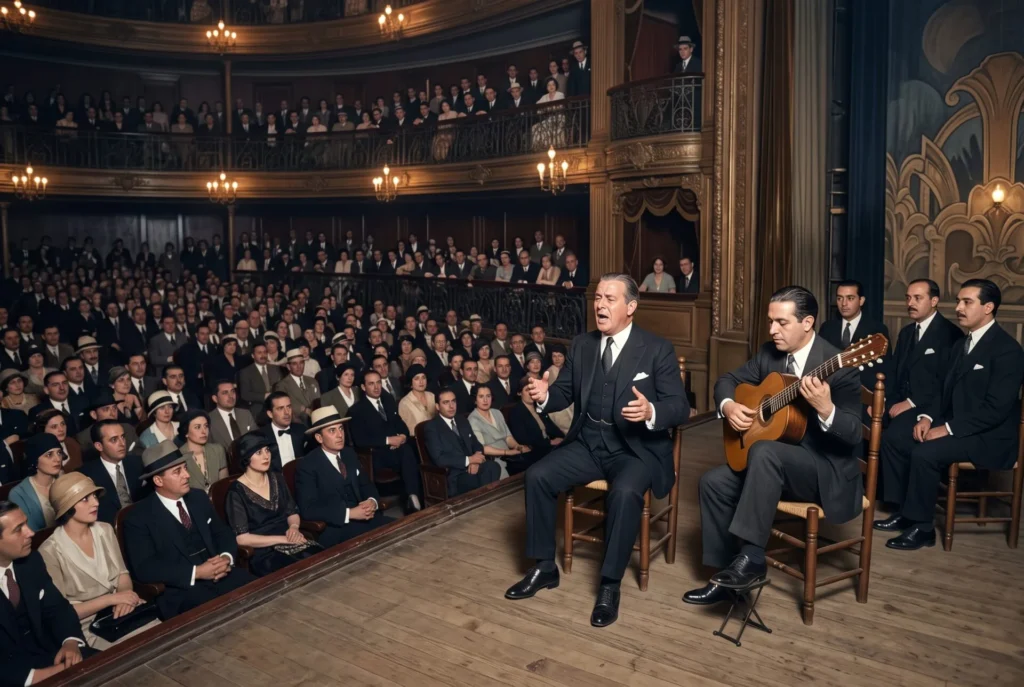
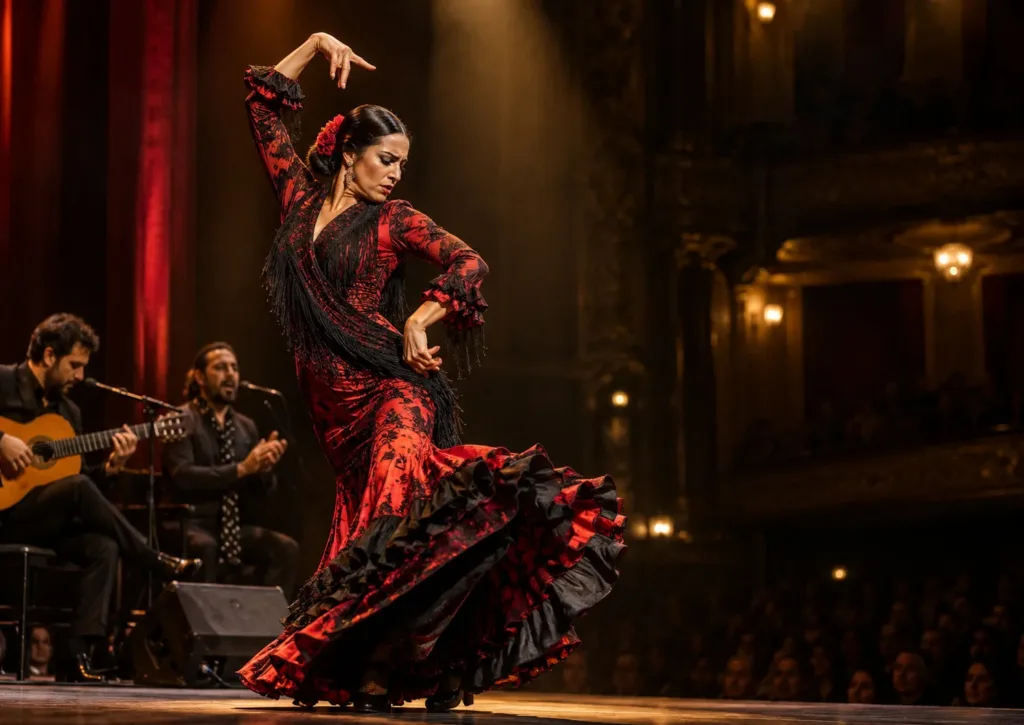
The name can be misleading. The Ópera Flamenca was not opera in the musical sense, but rather the term that came to identify the large-scale flamenco shows which, especially from the 1920s onwards, brought singing, dance and guitar to theatres, bullrings and other high-capacity venues.
The term also had a commercial and tax dimension: presenting these shows under a designation associated with opera allowed them to benefit from more favourable taxation than that applied to variety performances. But reducing the whole period to a tax device would miss the point. What truly matters is that these circuits helped turn flamenco into a mass culture.
Flamenco historiography generally places this period, broadly speaking, between the 1920s and the mid-1950s, with the rupture caused by the Spanish Civil War. It was an age of large companies, professional impresarios, extensive tours and bills capable of bringing several major stars together in a single performance.
From the café cantante to mass audiences
Flamenco Opera coincided with the decline of the classic café cantante model and a profound transformation in the media through which flamenco circulated. The art no longer depended solely on the stage and direct transmission: gramophone records, electrical recording, radio, the press and improved transport multiplied an artist’s ability to be heard and recognised far beyond their immediate surroundings.
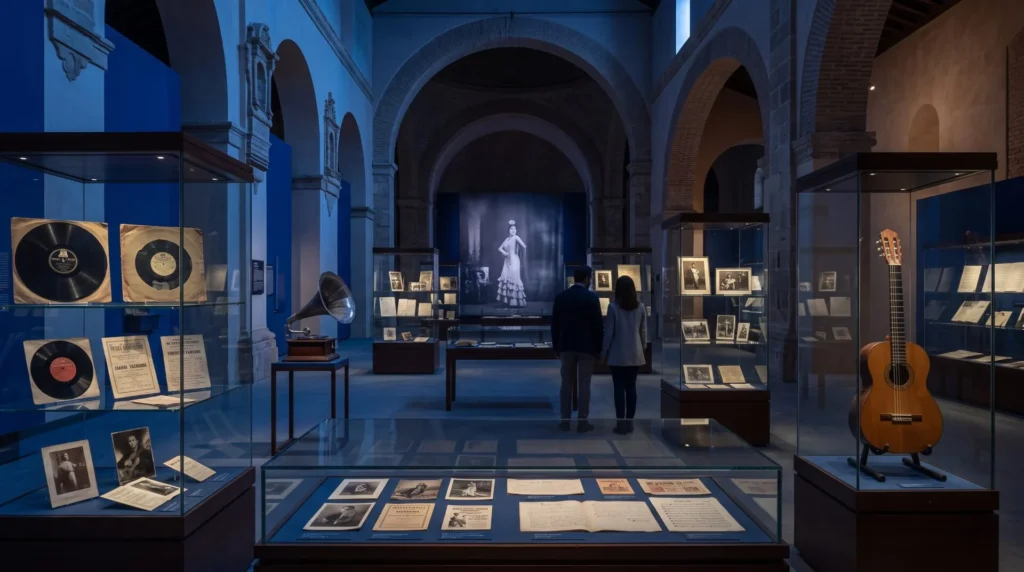
That change is one of the keys to The Blue Night. The exhibition allows visitors to see, at the same time, the physical media of the music, the advertising that built artists’ fame and the documents that reveal the growing professionalisation of the sector.