Flamenco Biennial

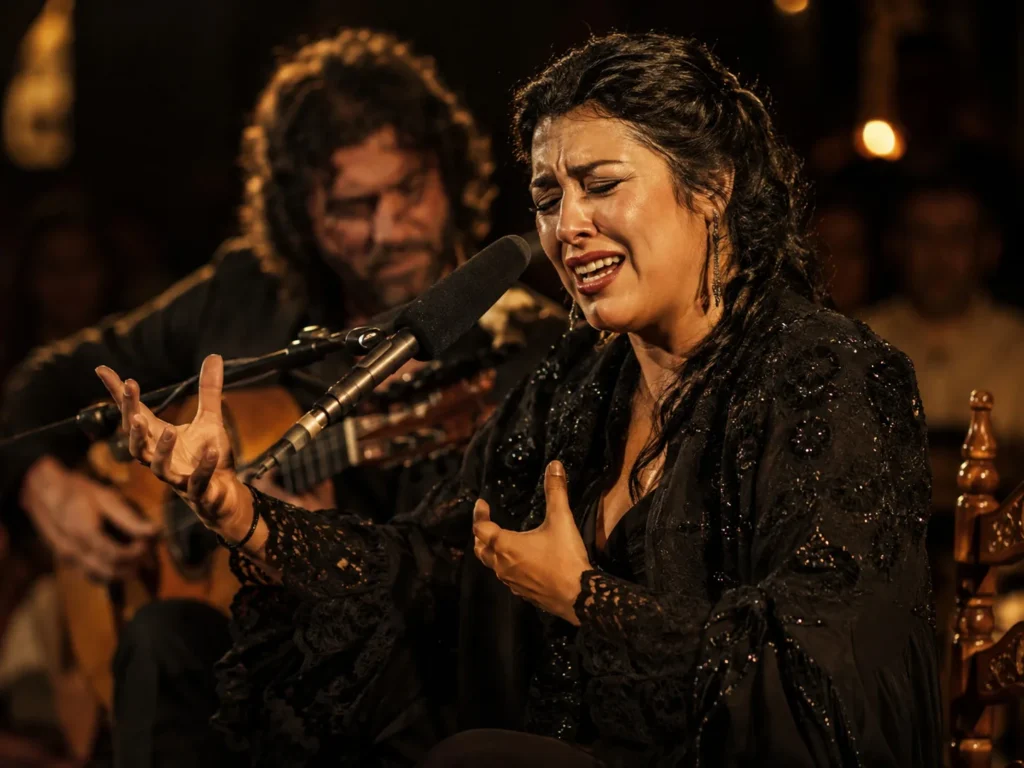
Flamenco singing at the 2026 Biennial: generations, artists and great voices

Flamenco singing at the 2026 Biennial: generations, artists and great voices

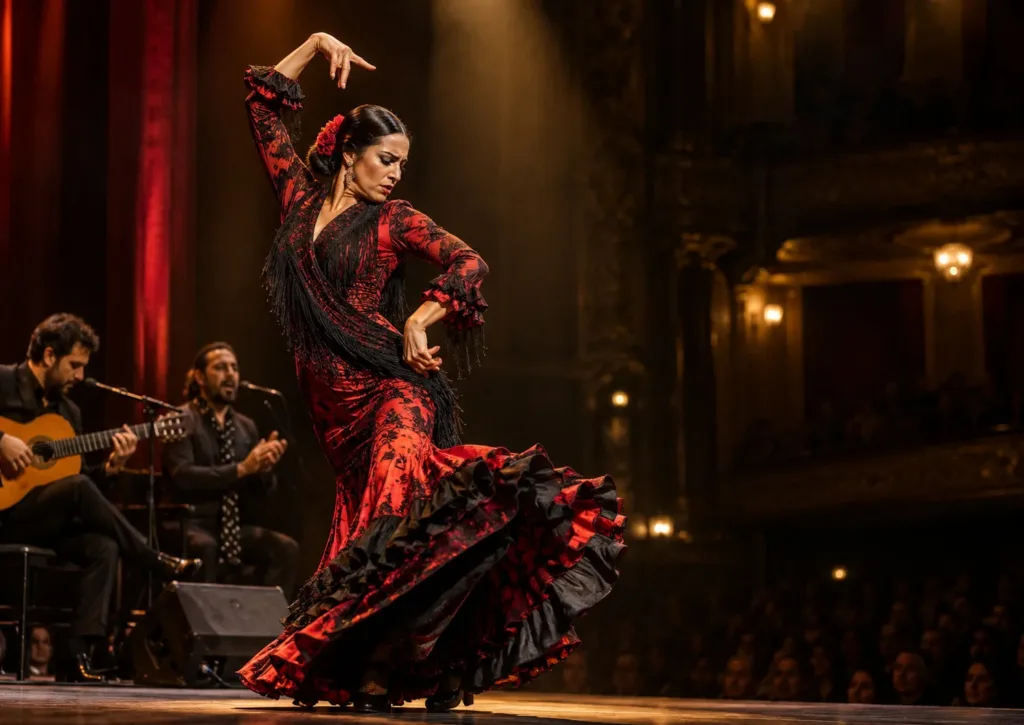
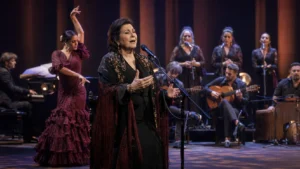
The 24th Seville Flamenco Biennial places flamenco singing at one of the centres of gravity of its programme. Between 9 September and 3 October 2026, Seville will bring together voices from several generations, schools and regions in an edition that the organisation itself sums up with an especially revealing figure: nearly thirty proposals linked to flamenco singing and more than one hundred voices throughout the festival.

There is therefore no single way to follow flamenco singing at this Biennial. The programme ranges from historic figures such as José Mercé, Carmen Linares and José de la Tomasa to fully established artists such as Arcángel, Mayte Martín, Marina Heredia, Israel Fernández, Antonio Reyes and La Tremendita, and from there to a younger generation represented by names such as Ángeles Toledano, María Terremoto, Rocío Luna, El Perrete and Manuel de la Tomasa.

This guide organises that map to help you understand which generations coexist, which artists are worth following and some of the most important dates for anyone who wants to make flamenco singing the thread running through their 2026 Biennial.

El cante en la Bienal 2026: generaciones, artistas y grandes voces

Quick answer: the 2026 Seville Flamenco Biennial offers one of its broadest and most generationally diverse programmes of flamenco singing. Highlights include the gala El mundo por montera, Ángeles Toledano, Israel Fernández, Rancapino Chico, Arcángel, Antonio Reyes, José Mercé, Mayte Martín, Marina Heredia and the closing performance by Carmen Linares with Marina Heredia, María Terremoto and Rocío Luna. The programme is interesting not only because of its major names, but also because of how it brings tradition into dialogue with the present, gathers flamenco families and creates conversations between generations.

Last updated: 2 September 2026. The programme and ticket availability may change. Always check the official page for each show before planning your visit.

Complete guide to the 2026 Biennial · Unique Nights · Official programme

Flamenco singing at the heart of the 24th Biennial

Talking about more than one hundred voices does not mean that the Biennial has created an isolated block devoted exclusively to singing. Quite the opposite: the voice runs through the entire edition. It appears in classic-format recitals, world premieres, major productions at the Teatro de la Maestranza, gatherings of flamenco families, dance productions in which singing plays a structural role and Unique Nights created especially for Seville.

The official programme speaks of generations, regions, schools and sensibilities. That idea helps explain the 2026 edition: its aim is not to defend a single aesthetic of flamenco singing, but to show how different ways of relating to tradition coexist.

Within the same festival, audiences can hear radically different approaches: Mayte Martín’s return to old repertoires, the memory of shellac records that inspires Rancapino Chico, Israel Fernández’s contemporary musical personality, Ángeles Toledano’s own writing and imaginative world, or a large-scale symphonic production by Marina Heredia.

One of the great attractions of 2026 is that audiences can compare how different generations understand essential questions in flamenco: what it means to respect tradition, how far a repertoire can be transformed, how a style of singing is transmitted and where personal creation begins.

The masters: memory, authority and transmission

Among the most experienced voices, José Mercé occupies one of the central places. On 20 September he returns to the Teatro de la Maestranza with Toquen a rebato, a Unique Night that revives an idea that already worked at the 2016 Biennial: placing his voice opposite three guitars. This time the dialogue will be with a younger generation of guitarists —David de Arahal, José del Tomate and Manuel Cerpa— making the idea of transmission explicit.

Also playing a special role is Carmen Linares, who leads one of the major closing events. On 3 October, Perlas a millares celebrates the 30th anniversary of her Antología de la Mujer en el Cante and brings in Marina Heredia, María Terremoto and Rocío Luna, as well as Rafaela Carrasco in dance. The show works not only as a tribute: it turns the memory of women’s flamenco singing into a dialogue between different generations.

These references are joined by names such as José de la Tomasa, present in the major opening gala, or highly distinctive voices such as Aurora Vargas, who take part in an edition especially attentive to memory and repertoires passed on directly.

Mayte Martín: looking back to affirm the present

On 30 September, the Teatro Lope de Vega welcomes Mayte Martín with Arqueología de lo puro. The project begins with a very clear aesthetic decision: to recover major works from older flamenco, some of them neglected, and defend them without submitting them to contemporary trends.

This is not nostalgia. Looking back is a way to build a present-day artistic position. That makes Mayte Martín one of the most useful references for understanding the debate that runs through the whole Biennial: how to preserve without freezing and how to create without losing memory.

The established generation: Arcángel, Marina Heredia, Israel Fernández and Antonio Reyes

Between the historic masters and the youngest voices is a generation that has spent years defining contemporary flamenco singing. The 2026 Biennial gives it a highly visible place.

Arcángel presents on 17 September at the Teatro Lope de Vega La copla del cante, a Unique Night that revisits the relationship between flamenco and copla through the memory of performers such as Marchena, Caracol, Pepe Pinto, Canalejas and La Paquera de Jerez.

The following day, Antonio Reyes presents Seis cuerdas, seis, also at the Lope de Vega, creating a dialogue between his singing and six guitarists: Rafael Riqueni, Manolo Franco, Diego del Morao, Joni Jiménez, José del Tomate and Nono Reyes.

Meanwhile, Israel Fernández brings De oro y marfil to the Patio de la Montería at the Real Alcázar on 14 September, with Diego del Morao and a broader musical ensemble. It is one of the proposals that best represents a way of projecting flamenco roots through a fully contemporary sound language.

Marina Heredia: flamenco singing on a large scale

On 1 October, Marina Heredia performs at the Teatro de la Maestranza with the Royal Seville Symphony Orchestra in ¡En libertad! El camino de los gitanos. The show connects historical memory, Roma identity and large-scale musical creation.

Her presence reveals another dimension of flamenco singing: the voice does not appear only in the singer-and-guitar format. It can coexist with an orchestra, broad dramaturgy and historical research while remaining the expressive centre of the work.

The new voices: a generation already creating its own language

One of the most interesting developments at the 2026 Biennial is the inclusion of young artists who arrive not merely as guests, but with their own projects and personal artistic statements.

The clearest example is Ángeles Toledano. On 12 September she presents at the Teatro Alameda the world premiere of La misma sangre del cuerpo, her first show of her own at the Biennial. The work extends the universe of her album Sangre Sucia and places a singer trained in classical approaches before a highly personal style of writing, aesthetics and stage language.

Her position is particularly significant: she also appears in El mundo por montera, the major gala on 10 September, alongside artists such as José Mercé, José de la Tomasa, Arcángel and La Tremendita. In barely two days, the Biennial first places her within a collective genealogy and then at the head of her own creation.

María Terremoto represents a very direct continuity with the great singing families of Jerez, while Rocío Luna arrives at the major closing night with Carmen Linares and Marina Heredia as one of the young voices incorporated into a historical narrative of women’s flamenco singing.

El Perrete and Manuel de la Tomasa take part in the gala El mundo por montera. Added to this is the Andalusian Young Flamenco Artists Circuit Gala, scheduled for 20 September at the Teatro Alameda.

Flamenco families, regions and ways of transmitting singing

The Biennial does not organise its voices only by age. It also connects them through region, family and performance tradition.

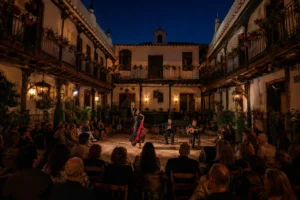
The Real Alcázar offers a particularly clear example. After Israel Fernández, on 15 September Rancapino Chico premieres Pizarra, a project inspired by old 78 rpm recordings and the great masters of flamenco singing. The following day, Xerezanías brings together Luis El Zambo, Dolores Agujetas, Antonio de la Malena, Manuel Valencia and Las Tatas de Jerez.

Across three consecutive nights, the Patio de la Montería therefore moves from a major contemporary voice to a reflection on recorded memory and finally to a gathering of flamenco families connected to Jerez. For anyone interested in understanding how singing is transmitted, it is one of the most coherent sections of the entire edition.

See our guide to flamenco at the Real Alcázar during the 2026 Biennial.

A vocal map of Andalusia

Jerez appears with enormous strength through Mercé, the families of Xerezanías, María Terremoto, Capullo de Jerez and José de los Camarones. Cádiz is present in Rancapino Chico’s understanding of singing and in artists such as Encarna Anillo. Huelva has a fundamental voice in Arcángel; Granada in Marina Heredia; and Seville contributes its own figures and lineages alongside encounters created specifically for the city.

Women’s voices: from Carmen Linares to Ángeles Toledano and Rocío Luna

Women’s flamenco singing has structural importance in the 2026 edition, not only because of the number of artists, but because of the way the programme builds a historical dialogue.

Carmen Linares closes the Biennial with a revisiting of her Antología de la Mujer en el Cante, a decisive work in recovering and foregrounding repertoires associated with great women singers of the past. The programme of Perlas a millares evokes names such as Niña de los Peines, La Mejorana, La Trini, La Serneta and La Repompa and adds current voices from different generations.

Marina Heredia, María Terremoto and Rocío Luna turn that tribute into a living line rather than a museum piece. At another point in the programme, Ángeles Toledano premieres a work born from her own creative universe and La Tremendita presents Menos es más, a world premiere on 11 September at the Teatro Central.

One of the most interesting readings of the women’s programme is precisely the coexistence of two apparently opposite movements: recovering repertoires and writing a voice of one’s own.

Key flamenco singing dates at the 2026 Biennial

Date Artist / proposal Venue Key point
10 September El mundo por montera Real Maestranza Intergenerational gala
11 September La Tremendita · Menos es más Teatro Central World premiere
12 September Ángeles Toledano · La misma sangre del cuerpo Teatro Alameda World premiere
14 September Israel Fernández · De oro y marfil Real Alcázar Contemporary flamenco singing
15 September Rancapino Chico · Pizarra Real Alcázar World premiere
16 September Xerezanías Real Alcázar Jerez flamenco families
17 September Arcángel · La copla del cante Lope de Vega Unique Night
18 September Antonio Reyes · Seis cuerdas, seis Lope de Vega Flamenco singing and six guitars
20 September José Mercé · Toquen a rebato Maestranza Unique Night
30 September Mayte Martín · Arqueología de lo puro Lope de Vega Historic repertoire
1 October Marina Heredia + ROSS Maestranza Large-scale symphonic format
3 October Carmen Linares + guests · Perlas a millares Maestranza Intergenerational closing event

A selective list of especially relevant dates for following flamenco singing. The Biennial includes many other performances in which the flamenco voice plays a leading role.

What to see according to the kind of flamenco singing you want

If you are looking for traditional flamenco singing

If your priority is to hear classical forms and a very direct relationship between voice, repertoire and guitar, pay particular attention to Mayte Martín, Rancapino Chico, José Mercé, Antonio Reyes and several gatherings of flamenco families. Another particularly interesting option may be A canela y clavo, with Esperanza Fernández, Duquende, José Valencia, Pepe Torres and Nazaret Reyes.

If you are looking for the most contemporary flamenco singing

For a more open view of current creation, Ángeles Toledano, La Tremendita, Israel Fernández and Marina Heredia offer four very different paths. There is no single “avant-garde of flamenco singing”: the Biennial shows several ways forward.

If you want to understand the generations

The best strategy is not to choose artists who are too similar. Build a small generational itinerary: a major historic reference, an established voice and a young proposal. For example, José Mercé or Mayte Martín; Israel Fernández, Arcángel or Marina Heredia; and Ángeles Toledano or one of the younger proposals.

Tickets, prices and discounts · Major premieres · What to see if tickets are sold out

Frequently asked questions about flamenco singing at the 2026 Biennial

The organisation speaks of more than one hundred voices spread across nearly thirty proposals related to flamenco singing. Not all of them are dedicated recitals: many form part of galas, encounters, dance shows or large-scale productions.

Among the most prominent names are José Mercé, Carmen Linares, José de la Tomasa, Mayte Martín, Arcángel, Marina Heredia, Israel Fernández, Antonio Reyes, La Tremendita, Rancapino Chico, Ángeles Toledano, María Terremoto and Rocío Luna, among many others.

Yes. Ángeles Toledano presents a show of her own at the Biennial for the first time, and voices such as Rocío Luna, María Terremoto, El Perrete and Manuel de la Tomasa also appear, along with the Andalusian Young Flamenco Artists Circuit Gala.

The gala El mundo por montera, on 10 September at the Real Maestranza, brings together José Mercé, José de la Tomasa, Arcángel, La Tremendita, Ángeles Toledano, El Perrete and Manuel de la Tomasa, among other artists.

Perlas a millares, on 3 October at the Teatro de la Maestranza, celebrates the 30th anniversary of Carmen Linares’s Antología de la Mujer en el Cante . Marina Heredia, María Terremoto and Rocío Luna also take part.

One of the clearest options is Arqueología de lo puro, by Mayte Martín, on 30 September at the Teatro Lope de Vega. Also Pizarra, by Rancapino Chico, is inspired by old 78 rpm recordings.

Jerez appears at many points in the programme. Highlights include José Mercé, María Terremoto and especially Xerezanías, on 16 September at the Real Alcázar, with Luis El Zambo, Dolores Agujetas, Antonio de la Malena, Manuel Valencia and Las Tatas de Jerez.

Yes. They include Menos es más by La Tremendita, La misma sangre del cuerpo by Ángeles Toledano and Pizarra by Rancapino Chico.

The full programme and ticket links are available on the Biennial’s official website. You can also consult our guide to tickets, prices and discounts.

First check the official channels in case new seats become available. If there is no availability, see our guide to what to see if Biennial tickets are sold out.

A Biennial for hearing where flamenco singing comes from and where it can go

The 2026 programme does not present flamenco singing as a fixed snapshot of the past. It shows it as a chain of transmission in motion: masters who remain points of reference, established artists who have built languages of their own and young voices beginning to occupy spaces of greater creative responsibility.

That meeting of generations is probably one of the best reasons to follow flamenco singing as the thread running through the 24th Seville Flamenco Biennial.

Book online: the key to securing your seat

In many cities, flamenco tablaos sell out easily, especially on weekends and during peak season. That’s why, if your dates are set, the most important thing is to book online.

Direct recommendation: book online through our website to guarantee your seat and arrive with everything confirmed. If you already have your destination, go straight to your city to see available options and clear recommendations.

Flamenco Sevilla | Tablaos Flamencos

Seville

Flamenco Madrid | Tablaos Flamencos

Madrid

Flamenco Barcelona | Tablaos Flamencos

Barcelona

Flamenco Granada | Tablaos Flamencos

Granada

Flamenco Córdoba | Tablaos Flamencos

Cordoba

Flamenco Málaga | Tablaos Flamencos

Malaga

Flamenco Valencia | Tablaos Flamencos

Valencia

Flamenco Jerez | Tablaos Flamencos

Jerez

Find out more about this with your favorite AI:

Did you like this article? Share it!:

Tags: agenda flamenca, Bienal 2026, Bienal de Flamenco, festivales flamencos, flamenco en Sevilla, sevilla

Article published by:

Related articles

Carmen Linares will close the 2026 Biennial: Perlas a millares
The Biennial returns to Hotel Triana: three nights of flamenco in a historic communal courtyard